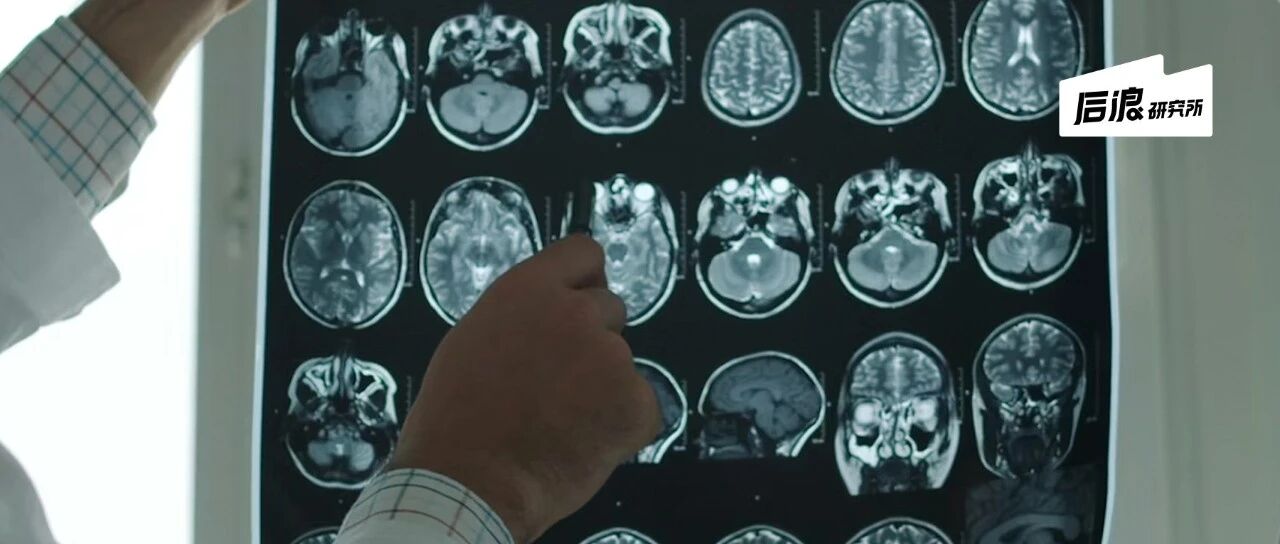
前额叶

Search documents
315能给质量差的「前额叶」也打个假吗?
36氪· 2026-03-15 13:59
Core Viewpoint - The article discusses the significance of the prefrontal cortex in human behavior and decision-making, highlighting its role in emotional regulation, self-control, and cognitive functions, particularly among young people [5][17][51]. Summary by Sections Understanding the Prefrontal Cortex - The prefrontal cortex (PFC) is described as the "CEO" of cognitive functions, influencing attention, planning, and emotional stability [17][18]. - It is one of the last brain regions to mature, typically reaching full development around the age of 25 [18]. Young People's Perception - Young individuals often attribute their procrastination and emotional issues to an underdeveloped prefrontal cortex, seeking to excuse their behaviors [6][20]. - There is a growing trend among young people to aspire to become "prefrontal cortex management masters," indicating a desire to improve their cognitive and emotional skills [25][29]. Methods to Enhance Prefrontal Cortex Function - Various strategies are suggested for protecting and enhancing the prefrontal cortex, including reducing decision fatigue, setting small goals, and managing negative emotions [29][31]. - The article notes that unconventional methods, such as using cold therapy or engaging in specific physical activities, are being explored to stimulate the prefrontal cortex [31]. Market Opportunities - The rising awareness of prefrontal cortex health has led to a surge in products aimed at enhancing cognitive function, including supplements and training videos, with significant sales figures reported [33][36][40]. - There is a notable interest in children's cognitive development products, indicating a market trend towards early intervention in prefrontal cortex health [37][39]. Social Implications - The article suggests that young people are increasingly considering the maturity of a potential partner's prefrontal cortex as a criterion for relationships, associating it with rationality and emotional stability [42][46]. - This shift reflects a broader societal trend towards valuing emotional intelligence and self-control in interpersonal relationships [48][50].

「前额叶友好型」人格,成了年轻人择偶新标准?
后浪研究所· 2026-03-05 10:05
Core Viewpoint - The article discusses the significance of the prefrontal cortex in human cognition and behavior, highlighting its role in emotional regulation, decision-making, and self-control, while also addressing the societal tendency to attribute personal shortcomings to the underdevelopment of this brain region [2][12][42]. Group 1: Understanding the Prefrontal Cortex - The prefrontal cortex (PFC) is described as the "CEO" of cognitive functions, influencing attention, planning, and emotional stability [11][12]. - It is noted that the PFC is one of the last areas of the brain to mature, typically reaching full development around the age of 25 [12][13]. - Factors such as stress, sleep deprivation, and substance abuse can impair the functionality of the prefrontal cortex, leading to various behavioral issues [14][13]. Group 2: Societal Perception and Trends - Young people are increasingly viewing the health of their prefrontal cortex as a reflection of maturity and rationality, with some suggesting it should be a criterion in partner selection [5][31]. - There is a growing market for products aimed at enhancing prefrontal cortex function, including supplements and training tools, indicating a commercial opportunity in this area [24][26][27]. - The article notes that individuals with well-developed prefrontal cortices are perceived as more rational, self-controlled, and emotionally stable, making them desirable companions [32][36]. Group 3: Strategies for Improvement - The article outlines several strategies for protecting and enhancing prefrontal cortex function, such as minimizing decision fatigue, setting small goals, and managing negative emotions [20][22]. - There is a trend among young people to actively seek methods to improve their cognitive abilities, including unconventional practices like cold therapy and specific exercises [22][17]. - The desire to improve prefrontal cortex function reflects a broader societal shift towards self-improvement and rational decision-making [40][41].