剥削论

Search documents
中日关系紧张之时,美国来借势,日本敢接吗?
Xin Lang Cai Jing· 2025-12-03 13:21
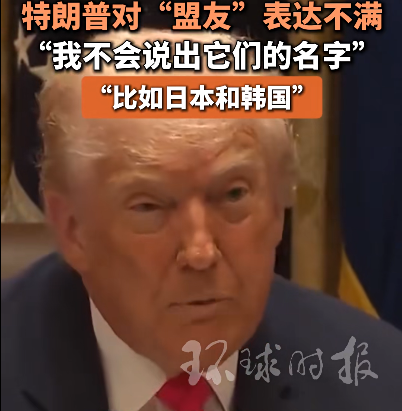
Core Viewpoint - The article discusses President Trump's dissatisfaction with certain U.S. allies, particularly Japan and South Korea, whom he accuses of "exploiting" the United States through trade practices [1][3][4]. Group 1: U.S.-Japan and U.S.-South Korea Relations - Trump expressed his grievances about Japan and South Korea during a cabinet meeting, indicating that these countries have been taking advantage of the U.S. for years [1][3]. - Japan's exports to the U.S. have been declining, yet automotive and parts still account for one-third of its exports to the U.S., which Trump views as a form of exploitation [4][9]. - Japan has "prepaid" $550 billion to secure negotiation privileges with the U.S., signaling a transactional nature in U.S.-Japan relations [4][9]. Group 2: Strategic Implications - The U.S. aims to encourage its allies to take on more responsibilities in the Asia-Pacific region while simultaneously seeking to reduce its own burdens [5][10]. - Trump's administration operates on a principle of "America First," which influences its foreign policy decisions, including the management of trade relations with allies [5][11]. - The U.S. is balancing its strategic interests in the Asia-Pacific by supporting Japan's assertiveness against China while keeping a close eye on trade dynamics [6][11]. Group 3: Economic Transactions and Alliances - The article highlights that Trump's view of international relations is akin to a business ledger, where allies are evaluated based on their economic contributions [3][8]. - The U.S. perceives all countries, including allies, as transactional partners, which reflects a shift from traditional notions of loyalty to a more pragmatic approach [6][11]. - The recent tensions in U.S.-China relations have prompted the U.S. to manage its alliances carefully, ensuring that actions taken by allies do not disrupt broader strategic goals [10][11].