动物考古学

Search documents
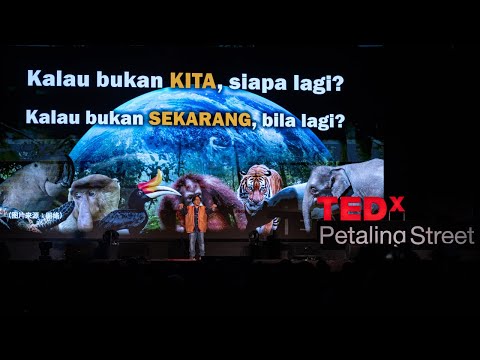
从远古生命看见未来 Seeing the Future Through Ancient Life | 林泽昇 Lim Tze Tshen | TEDxPetalingStreet
TEDx Talks· 2026-02-06 15:59
“如果我们不去认识这些千古的灭绝过程,我们就无法去抗衡未来更多的物种灭绝事件。” 动物化石,不只是冰冷的遗骸,更是解开生命谜题的钥匙。 二十多年来,林泽昇追寻跨越八千万年的痕迹,从婆罗洲亚洲象的牙齿残片,到黑风洞红毛猩猩的化石,每一次发现,都让我们更接近真相:谁在这里生活过?他们为何又消失?埋藏在化石里的答案,揭示了远古人类与环境如何一步步塑造出今日的生态面貌。 认识过去,才能守护现在。那些看似 “灭绝的故事”,其实正提醒我们:保护濒危物种,不只是科学的课题,更是你我共同的责任。 “If we fail to understand these mass extinction events from the past, we won't be able to prevent those in the future.” More than cold and lifeless remains, fossils are the keys to unlocking the mysteries of life. For over twenty years Lim Tze Tshen has searched for tr ...

云冈石窟最大洞窟出土动物遗存
Zhong Guo Xin Wen Wang· 2025-05-08 01:03
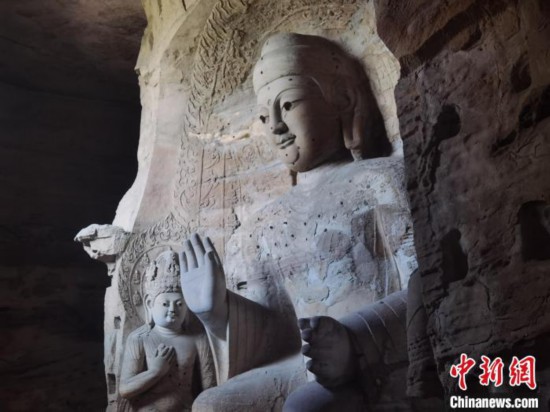
Core Insights - The largest cave of the Yungang Grottoes, Cave 3, has yielded 56 animal remains, which may be linked to the dietary structure of the craftsmen involved in the grotto's excavation [1][2][3] Archaeological Findings - The Yungang Grottoes, a UNESCO World Heritage site, are located approximately 16 kilometers west of Datong City in Shanxi Province, featuring 252 caves carved from the mid-5th century to the early 6th century [2] - Cave 3, the largest, contains significant evidence of stone carving, stone extraction, and subsequent repairs, with a variety of artifacts including pottery shards, porcelain, stone sculptures, coins, and architectural components [2] - The 56 animal bones discovered include remains of dogs, horses, pigs, cattle, and sheep, indicating that during the Northern Wei and Liao-Jin periods, cattle and horses were primarily utilized, while pigs appeared only in the Northern Wei period [2][3] Utilization of Animal Remains - The animal bones found are mostly fragmented, with a predominance of less meaty parts such as skulls and teeth, suggesting high-intensity use, likely by the craftsmen or possibly by monks [3] - The findings provide insights into the dietary needs of the craftsmen after extensive labor, reflecting the use of animal resources for both work and sustenance [3]