劳动尊严

Search documents
外卖配送,“慢一点”又何妨?
Xin Lang Cai Jing· 2025-12-26 00:35
Core Viewpoint - The article discusses the need for a shift in the fast-paced delivery model of the food delivery industry, advocating for a "slow down" approach to enhance safety and improve the overall ecosystem for delivery riders, businesses, and consumers [1][2][3] Group 1: Industry Challenges - The current delivery model is heavily focused on speed, which has led to safety risks and increased internal competition among delivery riders [1] - Riders are pressured to deliver quickly, often resulting in low earnings and high stress, with reports of earnings as low as 100 yuan for 8 hours of work [1] - The algorithm-driven approach has created a situation where riders feel they cannot afford to slow down, leading to potential safety hazards, including systems that may direct riders to take unsafe routes [1] Group 2: Proposed Solutions - A reevaluation of the balance between efficiency and rider welfare is necessary, as the current model does not achieve a win-win situation for all parties involved [2] - Initiatives in Beijing have shown that implementing measures such as "smart meal pickup" and adjusting algorithms to prioritize average delivery times can improve the situation without slowing down service [2] - The removal of penalties for late deliveries in certain areas has led to reduced disputes and improved stability for riders, ultimately enhancing service reliability [2] Group 3: Broader Implications - Slowing down delivery times can contribute to a more respectful work environment for riders, allowing them to complete their tasks safely and efficiently [3] - Consumers may experience slightly longer wait times, but this can result in better quality service and fewer complaints [3] - The industry can benefit from a more humane approach to algorithm design, which aligns with social responsibility and promotes sustainable practices [3]
荐书|帕米尔高原为何是亚欧文明的十字路口
Di Yi Cai Jing· 2025-11-14 06:23
Group 1 - The book "Beyond Congling: The Crossroads of Eurasian Civilization" by Professor Hou Yangfang depicts Central Asia as a crossroads of world history, anchored by the ancient Silk Road [8] - The author analyzes significant historical events that shaped the Central Asian landscape, including Alexander's eastward expedition, the westward migration of the Huns, the Han Dynasty's Silk Road expansion, and the Tang Dynasty's battle with the Arabs at Talas [9] - The book emphasizes the interplay of technology and geography over four thousand years of Central Asian history, highlighting how innovations like bronze, horses, gunpowder, and railways transformed the region [9]

心疼底层劳动女性,就让她们“别工作”了?
Hu Xiu· 2025-05-06 23:42
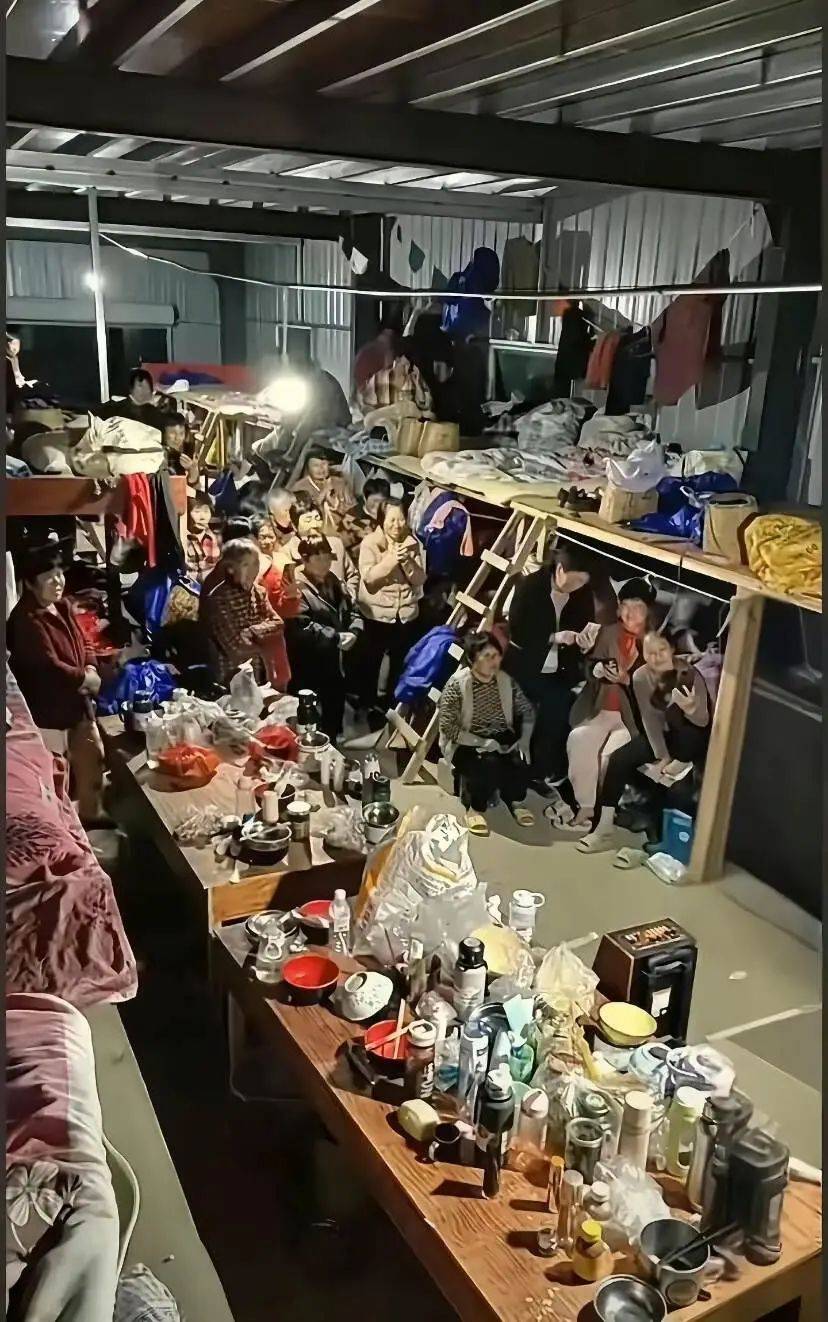
Core Viewpoint - The article highlights the resilience and strength of middle-aged women, particularly tea-picking workers, who despite facing harsh working conditions, find joy and camaraderie in their shared experiences [1][19]. Group 1: Working Conditions and Experiences - The tea-picking women, aged 40-60, are drawn to the job by promises of decent pay, often living in cramped and inadequate housing [5][6][7]. - They work long hours under difficult conditions, yet maintain a sense of community and humor, often sharing laughter and music to cope with their hardships [10][11][12][16]. - Despite acknowledging their struggles, many express their challenges through humor and camaraderie, showcasing their resilience [20][21][25]. Group 2: Economic Realities - A skilled tea-picker can earn approximately 35 yuan per kilogram of tea, with a potential daily income of 245-280 yuan, making the one-month tea-picking season crucial for their annual earnings [27][28]. - The income from this work often serves as a significant portion of their family's annual living expenses, highlighting the economic necessity of their labor [29][30]. Group 3: Social Perception and Respect - The article emphasizes the need for society to recognize and respect the dignity of these women, who are often relegated to low-paying, labor-intensive jobs without adequate support or recognition [36][37][38]. - It calls for a shift in perspective from pity to respect, acknowledging their contributions and the complexities of their lives [59][66].