
化工园区智慧化建设

Search documents
2025中国智慧化工园区建设发展大会召开
Zhong Guo Hua Gong Bao· 2025-08-12 00:54
Core Insights - The current number of smart chemical parks in China accounts for only 6.4% of the total recognized chemical parks, indicating a significant gap in smart construction levels between eastern and western regions [1][2] - There are notable issues in the smart construction of chemical parks, including a focus on construction over application, and a need for enhanced functionalities in predictive analysis, decision-making, centralized control, and optimization [1] Group 1: Current State of Smart Chemical Parks - The number of recognized smart chemical parks is only 6.4% of the total, with uneven distribution and varying levels of smart construction [1] - A few parks, such as those in Ningbo and Nanjing, have achieved precise control in areas like intelligent management and pollution source tracking, but overall smart construction still lags behind industry development needs [1] Group 2: Challenges and Recommendations - Challenges include insufficient top-level design, weak industrial internet support, functional deficiencies in business systems, and a lack of digital foundation at the enterprise level [2] - Recommendations include benchmarking against world-class standards, implementing a smart construction project for chemical parks, and exploring more application scenarios based on actual production and operational conditions [1][2] Group 3: Future Directions - The industry is transitioning from data visualization to analytical capabilities, with a need for deeper integration of information technology and industrial operations [2] - The goal is to create a world-class model of a smart chemical park that is safe, efficient, green, and collaborative [2]
仅占6.4%!化工园区智慧化建设之路道阻且长
Zhong Guo Hua Gong Bao· 2025-08-11 09:18
Core Insights - The current number of smart chemical parks in China accounts for only 6.4% of the total recognized chemical parks, indicating a significant gap in smart construction across regions [1][3] - There is a disparity in the level of smart construction between eastern and western chemical parks, with many focusing more on construction rather than application [1][3] - The smart chemical parks that have emerged, such as those in Ningbo and Nanjing, have achieved precise control in areas like intelligent management and pollution source tracking, but overall smart construction still faces challenges [3][4] Group 1 - The low proportion of smart chemical parks highlights the need for improvement in the industry, as only 6.4% of recognized parks have achieved this status [3] - There is an uneven distribution of smart chemical parks, with varying levels of smart construction across different regions [3][4] - The application level of smart technologies in chemical parks needs enhancement, as many parks are still in the early stages of implementation [3][4] Group 2 - Recommendations include benchmarking against world-class standards and implementing a "smart construction project" to elevate more recognized parks to a "smart level" [3] - The industry faces systemic issues such as insufficient top-level design, weak industrial internet support, and a lack of digital infrastructure at the enterprise level [4] - There is a push for deeper integration of information technology with industrial operations to break down data barriers and enhance decision-making capabilities [4]

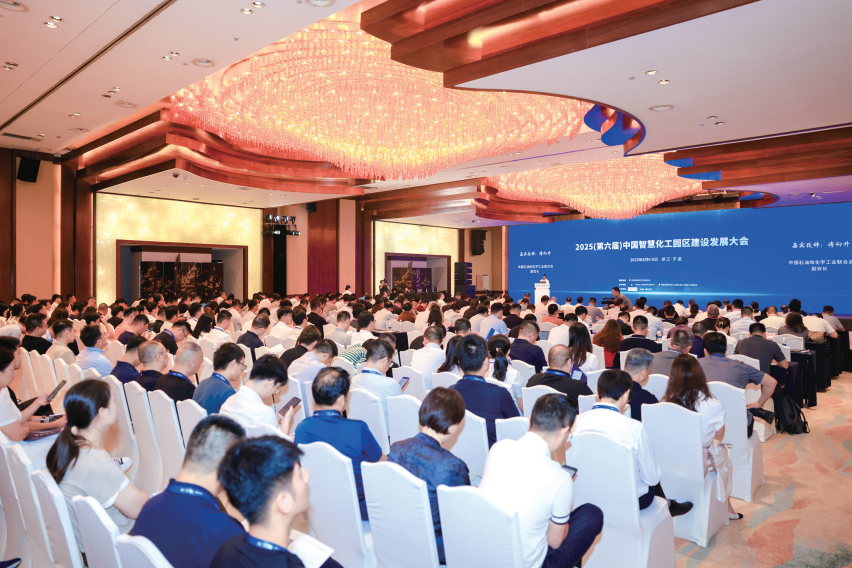
化工园区智慧化建设之路道阻且长
Zhong Guo Hua Gong Bao· 2025-08-11 05:45
Core Insights - The current number of smart chemical parks in China accounts for only 6.4% of the total recognized chemical parks, indicating a significant gap in smart construction across regions [1] - There is a disparity in the level of smart construction between eastern and western chemical parks, with many focusing more on construction rather than application [1] - The Chinese Petroleum and Chemical Industry Federation highlights the need for more smart parks to meet modern management requirements and suggests benchmarking against world-class standards [1] Group 1 - The smart chemical parks are unevenly distributed and their construction levels vary significantly [2] - Issues such as insufficient top-level design, weak industrial internet support, and poor digital infrastructure at the enterprise level hinder the development of smart parks [2] - The industry is transitioning from data visualization to data analysis, but overall information levels remain low, affecting real-time data upload capabilities [2] Group 2 - The Ningbo Petrochemical Development Zone is committed to advancing smart transformation and aims to create a world-class model of a safe, efficient, green, and collaborative smart chemical park [2] - Recommendations include deepening theoretical innovation, improving top-level design, and promoting digital transformation among enterprises [2] - The integration of information technology with industrial operations is essential for breaking down data barriers and enhancing decision-making capabilities [2]