北欧风家居审美

Search documents
宜家关店潮,从来不买的人最伤心
36氪· 2026-01-13 00:11
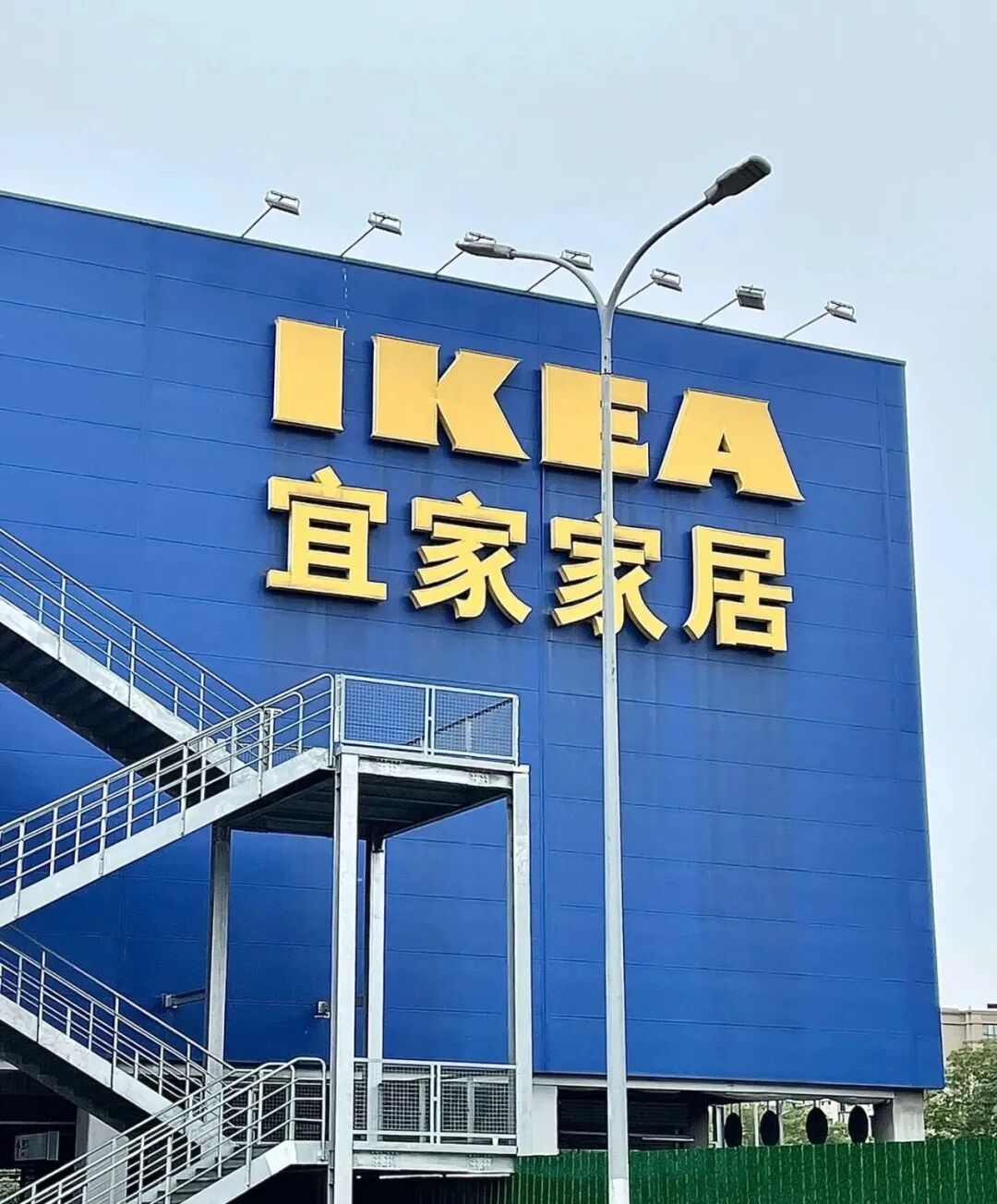
Core Viewpoint - The article discusses the recent closure of seven IKEA stores in China, marking the largest store closure since IKEA entered the Chinese market in 1998. This move is seen as a response to global economic uncertainties, digital transformation, and changing consumer behaviors, indicating a significant shift in IKEA's strategy and market position [3][9][39]. Group 1: Store Closures and Financial Performance - IKEA announced the closure of seven stores, which represents one-sixth of its total stores in China, highlighting a major strategic shift [3][9]. - In the fiscal year 2024, IKEA's sales in China are projected to be approximately 11.15 billion RMB, a decrease of nearly 1 billion RMB compared to the previous fiscal year and a decline of nearly 30% from its peak in 2019 [9][11]. - Despite an increase in the number of stores, sales have declined, signaling a critical warning for the company [9]. Group 2: Consumer Behavior and Market Dynamics - The article notes a shift in consumer perception of IKEA, with the brand being associated with discount shopping rather than a premium lifestyle choice, leading to a potential identity crisis [11][30]. - The changing consumer landscape has led to a more price-sensitive market, where consumers prioritize value for money over brand prestige [22][25]. - The rise of local competitors who can quickly adapt to market demands and offer better services has put IKEA at a disadvantage [18][21]. Group 3: Strategic Responses and Future Directions - In response to declining sales, IKEA has implemented a series of price cuts, with over 500 products marked down in the fiscal year 2024, but this strategy risks damaging its brand image [11][13]. - IKEA is attempting to pivot towards smaller, more centrally located stores, referred to as "design inspiration centers," to better connect with consumers [13][39]. - The company is also trying to enhance its online presence and logistics capabilities to compete with local brands that offer faster and more cost-effective delivery services [11][21]. Group 4: Cultural and Social Implications - The article highlights how IKEA has transformed from a destination for home furnishings to a social space for various demographics, including families and elderly singles, reflecting broader societal changes [30][31][32]. - The brand's role as a community space has evolved, with many consumers now visiting IKEA for its dining options rather than for furniture shopping [30][32]. - This shift raises questions about the adequacy of public spaces in urban China and the evolving definition of "home" and "community" in contemporary society [39].


宜家关店潮,从来不买的人最伤心
3 6 Ke· 2026-01-09 08:24
Core Viewpoint - IKEA is undergoing a significant transformation, closing seven stores in China as part of a strategic shift to adapt to global economic uncertainties, digitalization, and changing consumer behaviors. This marks the largest store closure wave since its entry into China in 1998, representing one-sixth of its total stores in the country [1][6]. Group 1: Store Closures and Financial Performance - IKEA announced the closure of seven stores in Shanghai, Guangzhou, Tianjin, Nantong, Xuzhou, Ningbo, and Harbin, effective February 2, marking a major shift in its operational strategy [1]. - For the fiscal year 2024, IKEA's sales in China are projected to be approximately 11.15 billion RMB, a decrease of nearly 1 billion RMB compared to the previous fiscal year and a decline of nearly 30% from its peak in 2019 [6][8]. Group 2: Changing Consumer Perception - The brand, once a symbol of middle-class aspirations, is now perceived as a "poor man's paradise," a "family restaurant," and a "dating spot for the elderly," reflecting a shift in consumer sentiment and usage [1][21]. - The once-appealing IKEA experience has transformed into a space where consumers seek value over brand prestige, with many now viewing it as a discount store rather than a lifestyle choice [21][28]. Group 3: Competitive Landscape and Market Challenges - The decline in the real estate market has cooled the demand for home furnishings, shifting the market from growth to competition for existing customers [11]. - Local competitors have gained an edge over IKEA by offering faster product development cycles and better service, such as free delivery and assembly, which IKEA struggles to match [14][16]. Group 4: Strategic Responses and Future Directions - In response to declining sales, IKEA has implemented aggressive pricing strategies, with over 500 products marked down in the fiscal year 2024, but this has led to a perception of the brand as a discount retailer [8][10]. - IKEA is shifting its focus from large-scale stores to smaller, centrally located "design inspiration centers," planning to open over 10 new small stores in key markets like Beijing and Shenzhen [10][28].