医养联合体

Search documents
家门口的幸福养老——金昌市金川区三级养老服务网络建设纪实
Xin Lang Cai Jing· 2026-01-31 01:55
Core Viewpoint - The article highlights the comprehensive development of a three-tiered elderly care service network in Jinchuan District, emphasizing the integration of medical and nursing services, community support, and smart technology to enhance the quality of life for the elderly [1][7]. Group 1: Medical and Nursing Integration - The Baoye Medical and Nursing Apartment is the first "medical care" elderly institution in the province, housing 180 residents with an average age of 86, and 80% of the 60 staff members are professional nurses providing 24-hour care [2][3]. - Residents experience a high level of comfort and care, with services available on-site for various health issues, allowing them to engage in daily activities like playing cards and exercising [2]. Group 2: Community Embedded Services - The community service center in Jinchuan District offers a range of elderly-friendly facilities and a 24-hour monitoring system, ensuring regular check-ins and emergency training for staff [3]. - The introduction of 30 "elderly care consultants" in the community provides a one-stop service for consultation, assessment, and feedback, facilitating seamless transitions in care as health conditions change [3]. Group 3: Smart Elderly Care - The Jinchuan District has implemented a smart elderly care service platform that integrates various service points, allowing for real-time monitoring and management of elderly care services [4][5]. - The platform supports multiple payment methods and provides dietary recommendations based on health status, enhancing the convenience and personalization of services [4]. Group 4: Rural Support Initiatives - The mutual happiness homes in rural areas provide meal delivery services, ensuring that elderly residents receive nutritious meals at low costs, supported by a collaborative funding model involving government and community contributions [6]. - Each mutual happiness home receives an annual subsidy of 30,000 yuan for operational costs, and local associations engage in service management to better meet the needs of elderly residents [6]. Group 5: Overall Coverage and Future Goals - Jinchuan District has established 8 comprehensive elderly service centers, 25 community day care centers, and 27 rural mutual happiness homes, achieving 100% coverage of elderly care facilities [7]. - The district aims to ensure that both urban and rural elderly populations can enjoy a fulfilling and secure retirement through a multi-faceted approach that combines medical care, smart technology, and community support [7].
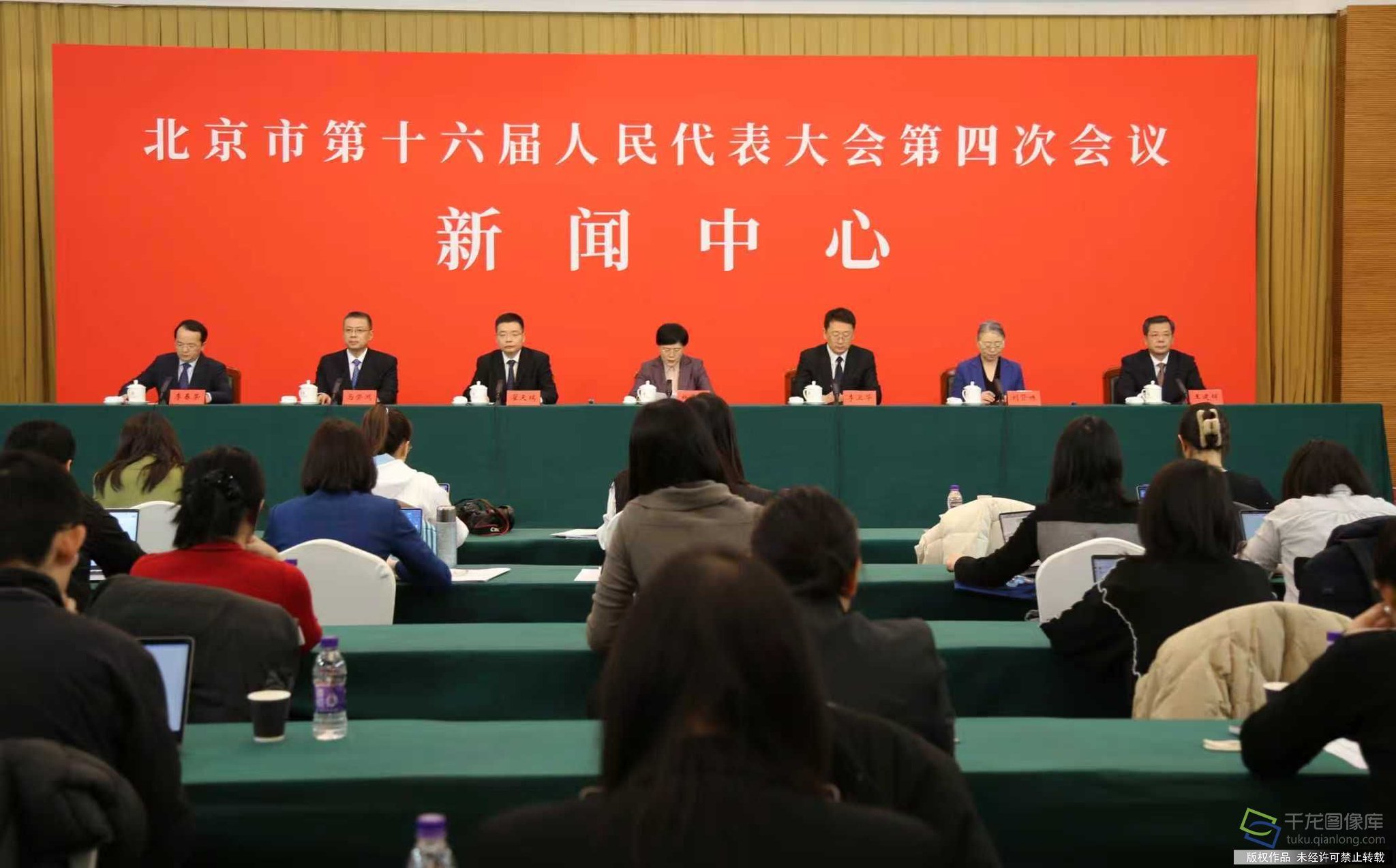
北京发布“十五五”健康规划 明确慢性病防治路径
Xin Lang Cai Jing· 2026-01-27 16:55
Core Viewpoint - Beijing aims to enhance its healthcare system and improve public health indicators during the "15th Five-Year Plan" period, focusing on chronic disease prevention and health service integration [2][4]. Health Indicators Improvement - By 2024, the health literacy level of Beijing residents is expected to reach 44.6%, an increase of 8.2 percentage points from 2020 [3]. - The number of medical institutions in Beijing has increased to 12,285, with a total of 155,000 hospital beds, and the number of practicing physicians per 1,000 people has risen to 6.17 [3]. Four Key Initiatives for Health Development - Implement a health-first development strategy, shifting focus from "disease treatment" to "people's health" [4]. - Improve the healthcare service network by establishing over 25 integrated urban medical groups to achieve district-level coverage [4]. - Deepen healthcare system reforms, including the establishment of a national AI application pilot base in the medical field and the development of internet healthcare services [4]. - Strengthen the population development support system, enhancing health services for the elderly and children, and building integrated medical and nursing care systems [4]. Chronic Disease Prevention Measures - A comprehensive six-part approach ("prevent, screen, manage, treat, rehabilitate, and promote health") will be adopted to address chronic disease prevention needs due to population aging [4]. - Community-based family doctor health management centers will be established, utilizing AI for chronic disease management and enhancing rehabilitation service networks [4]. Overall Health Strategy - The "15th Five-Year Plan" will prioritize health in Beijing's development, aiming to strengthen healthcare service capabilities and lay a solid foundation for achieving socialist modernization [5].