
健康优先发展战略

Search documents
【省卫生健康委】今年陕西省卫生健康系统实施10项为民服务实事
Shan Xi Ri Bao· 2026-01-29 00:32
Group 1 - The core viewpoint of the article emphasizes the commitment of the provincial health system to prioritize people's health, accelerate the construction of a healthy Shaanxi, and enhance the fairness, accessibility, and effectiveness of health services during the "14th Five-Year Plan" period [1] - The provincial health system plans to implement a health-first development strategy in 2026, focusing on the scientific and efficient preparation of the "15th Five-Year Plan" and actively supporting the overall economic and social development of the province [1] - Key initiatives include the implementation of a medical and health supplement plan, expansion of rehabilitation and nursing services, and enhancement of specialized medical capabilities to promote the distribution of quality medical resources [1] Group 2 - The province will implement ten public service initiatives in areas such as pediatric services at grassroots medical institutions, psychological outpatient services at county-level hospitals, and health weight management at tertiary public hospitals [2] - There will be a focus on strengthening monitoring and early warning of key infectious diseases, increasing chronic disease prevention services, and promoting public health literacy among residents [2] - The provincial health commission will standardize the issuance of childcare subsidies, accelerate the construction of a universal childcare service system, and enhance the integration of traditional Chinese and Western medicine [2]
北京发布“十五五”健康规划 明确慢性病防治路径
Xin Lang Cai Jing· 2026-01-27 16:55
Core Viewpoint - Beijing aims to enhance its healthcare system and improve public health indicators during the "15th Five-Year Plan" period, focusing on chronic disease prevention and health service integration [2][4]. Health Indicators Improvement - By 2024, the health literacy level of Beijing residents is expected to reach 44.6%, an increase of 8.2 percentage points from 2020 [3]. - The number of medical institutions in Beijing has increased to 12,285, with a total of 155,000 hospital beds, and the number of practicing physicians per 1,000 people has risen to 6.17 [3]. Four Key Initiatives for Health Development - Implement a health-first development strategy, shifting focus from "disease treatment" to "people's health" [4]. - Improve the healthcare service network by establishing over 25 integrated urban medical groups to achieve district-level coverage [4]. - Deepen healthcare system reforms, including the establishment of a national AI application pilot base in the medical field and the development of internet healthcare services [4]. - Strengthen the population development support system, enhancing health services for the elderly and children, and building integrated medical and nursing care systems [4]. Chronic Disease Prevention Measures - A comprehensive six-part approach ("prevent, screen, manage, treat, rehabilitate, and promote health") will be adopted to address chronic disease prevention needs due to population aging [4]. - Community-based family doctor health management centers will be established, utilizing AI for chronic disease management and enhancing rehabilitation service networks [4]. Overall Health Strategy - The "15th Five-Year Plan" will prioritize health in Beijing's development, aiming to strengthen healthcare service capabilities and lay a solid foundation for achieving socialist modernization [5].

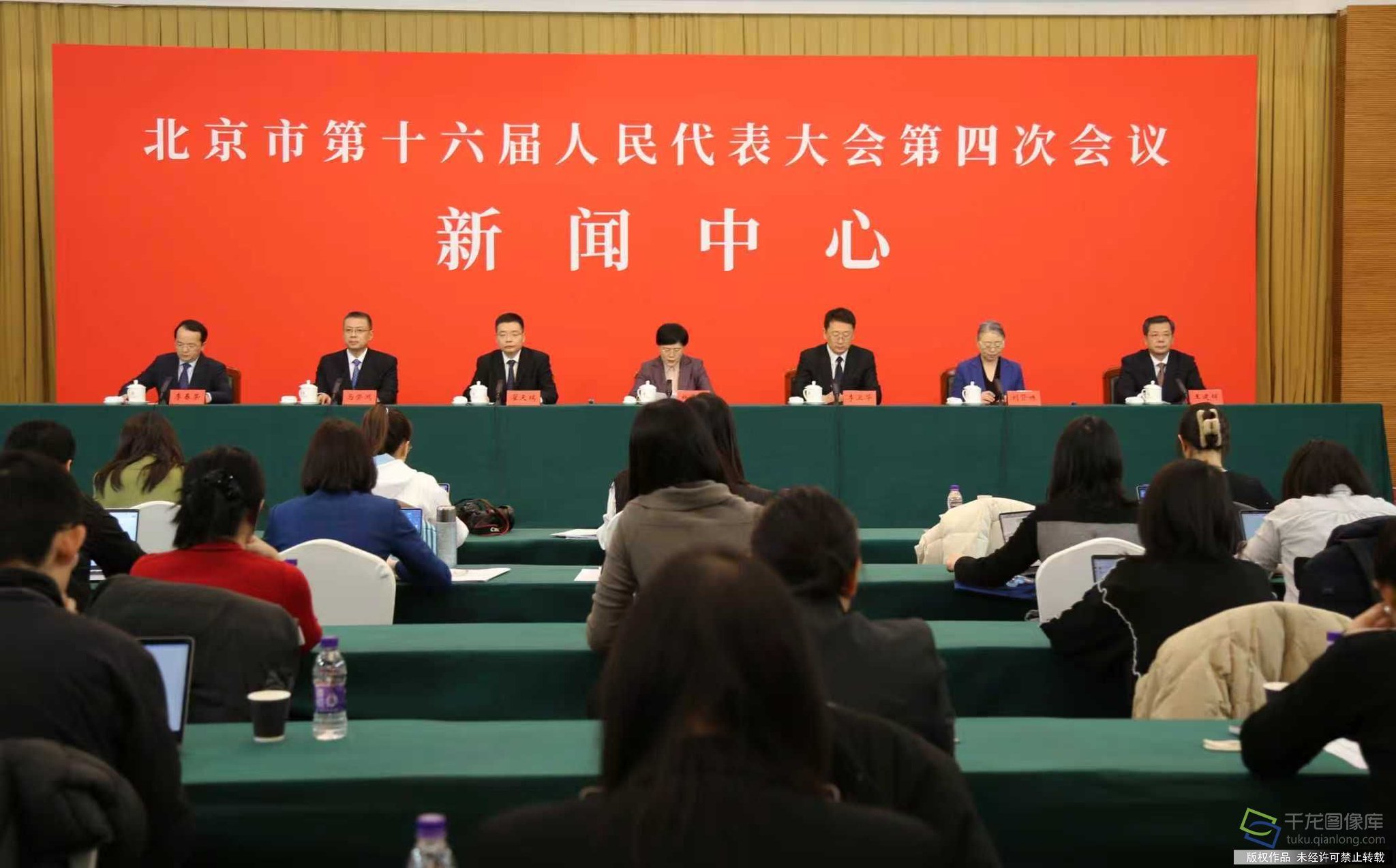
“十五五”时期北京将更加注重优化提升首都功能 现代化的人民城市将要怎样建设?
Xin Lang Cai Jing· 2026-01-26 20:02
Group 1: Core Perspectives - The "15th Five-Year Plan" emphasizes enhancing public welfare through better services and governance, aiming to build a modernized people's city in Beijing [1][3] - The plan outlines five major strategic tasks focusing on optimizing the capital's functions and promoting coordinated development in the Beijing-Tianjin-Hebei region [3][4] Group 2: Economic Development - Beijing aims for high-quality development by constructing a competitive modern industrial system and a vibrant domestic demand system, targeting the creation of 2-3 new consumption landmarks worth over 100 billion [3] - The city plans to maintain an annual investment scale of 1 trillion, enhancing the "Beijing Service" brand and promoting the "Invest in Beijing" initiative [3] Group 3: Social Welfare - The plan prioritizes public services in areas such as childbirth, education, employment, healthcare, and housing, with a focus on inclusive and basic elderly care services [3][4] - It aims to improve the quality of life for residents by enhancing support policies for families and children, ensuring comprehensive care for the elderly [11][12] Group 4: Environmental Sustainability - Beijing will implement high standards for ecological protection and quality development, including the use of 100% green electricity for new computing centers [6][7] - The city plans to enhance pollution control in various sectors and improve water resource management, aiming for a daily sewage treatment capacity of 8.4 million cubic meters [6] Group 5: Health Initiatives - The plan includes a strong focus on healthcare, with initiatives to stabilize secondary hospital settings and develop services in pediatrics, mental health, and rehabilitation [10][11] - It aims to enhance emergency medical services and community health resources, promoting a health-centered approach to public welfare [10][12]
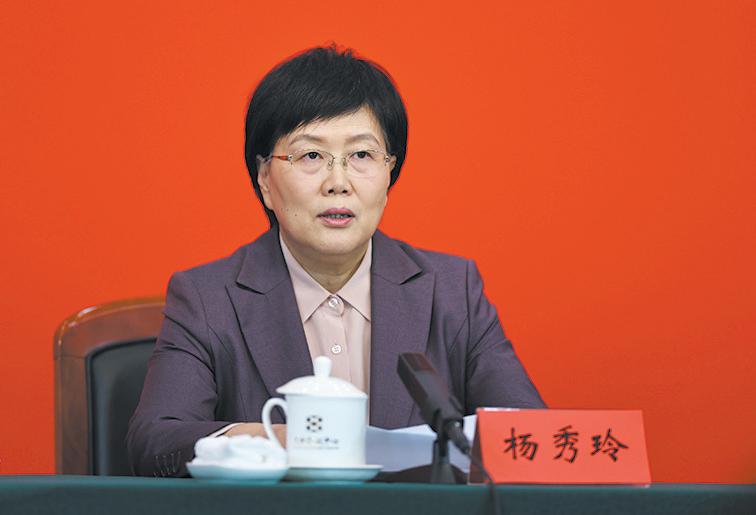
北京:推动社会急救AED配置向社区延伸
Xin Lang Cai Jing· 2026-01-26 19:00
Core Viewpoint - During the "14th Five-Year Plan" period, Beijing will comprehensively promote the health priority development strategy, focusing on population health, infectious disease control, and chronic disease management as key indicators for high-quality health development [1] Group 1: Health Strategy Implementation - Beijing will continuously improve the medical and health service network, focusing on "strengthening the foundation, stabilizing secondary hospitals, and controlling tertiary hospitals" [1] - The city will optimize the functional positioning of medical institutions and implement strong foundational projects in healthcare [1] - There will be a focus on developing pediatric care, mental health, rehabilitation nursing, palliative care, and integrated medical and nursing services [1] Group 2: Healthcare Accessibility and Quality - The plan aims to enhance the tiered diagnosis and treatment system, with an emphasis on grassroots healthcare [1] - More than 25 tightly-knit urban medical groups will be established, achieving 100% coverage at the district level to ensure equitable and efficient access to healthcare for the public [1] - Continuous efforts will be made to balance the distribution of medical resources and support high-level hospitals in creating national medical centers [1] Group 3: Emergency and Community Health Services - The strategy includes enhancing emergency response capabilities, blood supply security, and overall emergency capacity [1] - There will be a push to improve community-based emergency medical services, including the extension of AED (Automated External Defibrillator) availability to communities [1]
学习规划建议每日问答丨如何理解健全健康促进政策制度体系
Xin Hua Wang· 2026-01-26 05:21
Core Viewpoint - The article emphasizes the necessity of establishing a comprehensive health promotion policy system as part of China's 15th Five-Year Plan, aligning with the health priorities of the Communist Party and the Healthy China strategy [1][2]. Group 1: Health Policy Development - The need to improve national health policies and establish a health impact evaluation system is highlighted, as outlined in the 20th National Congress report [2]. - The increasing burden of chronic non-communicable diseases and the ongoing challenges in controlling major infectious diseases necessitate a proactive approach to health promotion [2][3]. Group 2: Strategic Implementation - Implementing a health priority development strategy is identified as a key goal for socio-economic development, with health metrics becoming important evaluation indicators for local governments [3]. - A comprehensive policy and regulatory framework to support health priority development is essential, focusing on creating favorable lifestyles and governance models [3]. Group 3: Policy Environment Enhancement - The article calls for the implementation of the Basic Medical and Health Promotion Law, emphasizing the need for a collaborative health promotion system involving various stakeholders [3][4]. - Strengthening cross-departmental cooperation and establishing health risk assessment mechanisms are crucial for effective health governance [3]. Group 4: Social Mobilization Mechanisms - The promotion of health initiatives and campaigns, such as the Healthy China Action and patriotic health movements, is essential for community engagement [4]. - The establishment of health management groups and the integration of health into local governance are recommended to enhance public health services [4]. Group 5: Health Literacy Improvement - Developing a system to enhance residents' health literacy is vital, with health education being integrated into the national education system [4]. - The goal is to increase the national health literacy level to over 40% by 2030, while reducing disparities between urban and rural areas [4].
市卫健委主任刘俊彩:今年将落地一揽子生育支持政策
Xin Jing Bao· 2026-01-25 07:25
Core Viewpoint - Beijing is implementing a comprehensive health priority development strategy during the "14th Five-Year Plan" period, focusing on enhancing public health systems, optimizing medical services, and supporting population development through various initiatives [2][4][10]. Group 1: Health Support Measures - Beijing has introduced 67 fertility support measures and distributed 947 million yuan in childcare subsidies, benefiting 295,000 families [4][5]. - The city aims to optimize health services across the entire lifecycle, particularly focusing on maternal and child health, and has set a target to maintain a 99% health service rate for children under seven [4][11]. Group 2: Public Health and Medical Services - Key areas of focus include the development of a high-level public health system, improvement of medical service networks, and reform of the healthcare system [3][6]. - Plans include the construction of a capital public health center and the implementation of collaborative governance for allergen and pest control [3]. Group 3: AI and Technology in Healthcare - Beijing is advancing the application of artificial intelligence in healthcare, having been approved as a national AI application pilot base, with significant investments and developments in AI products [9][11]. - The city has integrated nearly 300 medical institutions into a health information platform, enhancing electronic medical record sharing and online medical services [9][10]. Group 4: Infrastructure Development - Several new hospital projects are underway, including the construction of new branches for major hospitals and the establishment of a new site for the Beijing Center for Disease Control [7][8]. - The city is also focusing on the relocation and expansion of medical resources to improve accessibility and service delivery [7]. Group 5: Future Plans and Innovations - In 2026, Beijing plans to implement a package of fertility support policies, expand child-friendly hospitals, and enhance mental health services [5][6]. - The city aims to establish new clinical research centers and promote innovative drug and medical device applications [12].
学习规划建议每日问答 | 如何理解健全健康促进政策制度体系
Xin Hua She· 2026-01-23 07:14
Core Viewpoint - The article emphasizes the necessity of establishing a comprehensive health promotion policy system as part of China's 15th Five-Year Plan, aligning with the health priorities of the Communist Party and the Healthy China strategy [1][2]. Group 1: Health Policy Development - The need to improve national health policies and establish a health impact evaluation system is highlighted, reflecting the increasing complexity of health determinants due to industrialization, urbanization, and demographic changes [2]. - The burden of chronic non-communicable diseases and the ongoing challenges of major infectious diseases necessitate a proactive approach to health promotion [2]. Group 2: Strategic Implementation - Implementing a health priority development strategy is identified as a key goal for socio-economic development, with health metrics becoming important evaluation indicators for local governments [3]. - The establishment of a regulatory framework that supports health priority development, including performance management related to health outcomes, is essential [3]. Group 3: Policy Environment Enhancement - The article calls for the implementation of the Basic Medical and Health Promotion Law, emphasizing the need for a collaborative health promotion system involving government, society, and individuals [3]. - Strengthening cross-departmental cooperation and enhancing health risk assessment and intervention measures are crucial for effective health governance [3]. Group 4: Social Mobilization Mechanisms - The promotion of health initiatives and campaigns, such as the Healthy China Action and patriotic health movements, is essential for community engagement in health promotion [4]. - The establishment of health management groups and the integration of health into local governance are recommended to enhance public health services [4]. Group 5: Health Literacy Improvement - Developing a comprehensive system to enhance public health literacy is necessary, including integrating health education into the national education system [4]. - Encouraging media involvement in health knowledge dissemination and fostering a sense of personal responsibility for health among the public are key strategies [4].
如何理解“健全健康促进政策制度体系”
Xin Lang Cai Jing· 2026-01-23 04:26
Group 1 - The core viewpoint emphasizes the necessity of establishing a health promotion policy system as part of the national economic and social development strategy, aligning with the "Healthy China" initiative and prioritizing public health [1][2] - The current health challenges include the increasing burden of chronic non-communicable diseases and the ongoing threat of major infectious diseases, necessitating a proactive approach to health risk reduction [2][3] Group 2 - The implementation of a health priority development strategy is highlighted as a key goal for socio-economic development, with specific health metrics being integrated into performance evaluations for local governments [3] - There is a call for improving the policy environment for health promotion, including the establishment of a collaborative governance framework and the implementation of health impact assessments [3][4] - The need for a robust social mobilization mechanism for health promotion is stressed, including initiatives for healthy eating, nutrition plans, and community health management [4] - Enhancing public health literacy is crucial, with a focus on integrating health education into the national education system and promoting health knowledge dissemination through various channels [4]
如何理解健全健康促进政策制度体系
Xin Hua She· 2026-01-23 03:47
Core Viewpoint - The article emphasizes the necessity of establishing a comprehensive health promotion policy system as part of the 15th Five-Year Plan, aligning with the health and wellness work guidelines of the new era [1] Group 1 - The focus is on grassroots initiatives, reform and innovation, prevention-oriented strategies, and the integration of traditional Chinese and Western medicine [1] - The proposal is a crucial step in implementing the Healthy China strategy and prioritizing health development [1] - It aims to shift the focus from disease treatment to a more holistic approach centered on people's health [1]
持续提高全民健康水平
Ren Min Ri Bao· 2026-01-08 23:09
Group 1 - The core message emphasizes the importance of health in promoting comprehensive human development and economic growth, highlighting recent advancements in health policies and systems in China [1][2] - The "Healthy China 2030" initiative aims to improve the health system, promote healthy lifestyles, and enhance health service quality by 2030, addressing current imbalances and chronic disease prevalence [2][3] - The government is prioritizing health in all policies, integrating health indicators into performance assessments, and increasing investment in health sectors, including public hospitals and disease prevention [3][4] Group 2 - Continuous optimization of health services is essential to reduce severe illnesses and improve recovery rates, focusing on major diseases and enhancing diagnostic capabilities [4] - The strategy includes the establishment of national medical centers and regional healthcare systems to ensure that patients receive appropriate care at the right level [4] - The commitment to a people-centered development approach aims to mobilize societal efforts to safeguard public health and achieve significant progress in modernizing healthcare [4]