
健康北京建设

Search documents
北京发布“十五五”健康规划 明确慢性病防治路径
Xin Lang Cai Jing· 2026-01-27 16:55
Core Viewpoint - Beijing aims to enhance its healthcare system and improve public health indicators during the "15th Five-Year Plan" period, focusing on chronic disease prevention and health service integration [2][4]. Health Indicators Improvement - By 2024, the health literacy level of Beijing residents is expected to reach 44.6%, an increase of 8.2 percentage points from 2020 [3]. - The number of medical institutions in Beijing has increased to 12,285, with a total of 155,000 hospital beds, and the number of practicing physicians per 1,000 people has risen to 6.17 [3]. Four Key Initiatives for Health Development - Implement a health-first development strategy, shifting focus from "disease treatment" to "people's health" [4]. - Improve the healthcare service network by establishing over 25 integrated urban medical groups to achieve district-level coverage [4]. - Deepen healthcare system reforms, including the establishment of a national AI application pilot base in the medical field and the development of internet healthcare services [4]. - Strengthen the population development support system, enhancing health services for the elderly and children, and building integrated medical and nursing care systems [4]. Chronic Disease Prevention Measures - A comprehensive six-part approach ("prevent, screen, manage, treat, rehabilitate, and promote health") will be adopted to address chronic disease prevention needs due to population aging [4]. - Community-based family doctor health management centers will be established, utilizing AI for chronic disease management and enhancing rehabilitation service networks [4]. Overall Health Strategy - The "15th Five-Year Plan" will prioritize health in Beijing's development, aiming to strengthen healthcare service capabilities and lay a solid foundation for achieving socialist modernization [5].

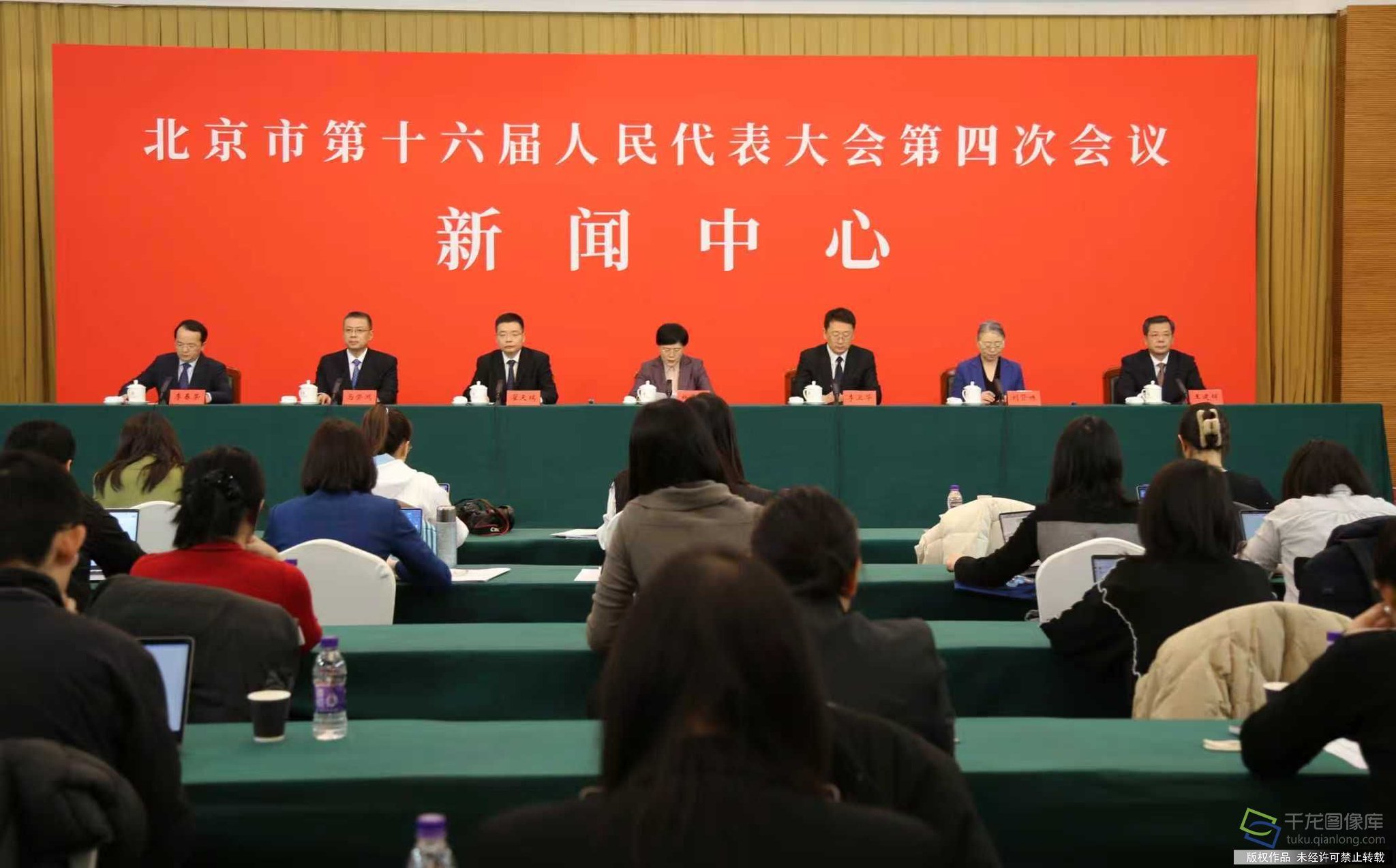
北京市社区卫生服务中心实现儿科诊疗服务全覆盖
Xin Lang Cai Jing· 2026-01-25 01:47
Core Insights - The report emphasizes the advancement of health initiatives in Beijing, aiming for a comprehensive healthcare system by 2025 [1] Group 1: Healthcare Initiatives - The government plans to ensure that public hospitals provide over 50% of appointment slots to grassroots healthcare facilities two weeks in advance, enhancing accessibility [1] - There is a projected 90% increase in patient referrals, indicating a significant improvement in the referral system within the healthcare network [1] - Community health service centers will achieve full coverage of pediatric medical services, addressing a critical area of healthcare for children [1] Group 2: Integration and Technology - 70% of village health clinics are expected to integrate management with township health centers, promoting a more unified healthcare approach [1] - The report highlights that 97% of outpatient visits in secondary and higher-level medical institutions will benefit from shared electronic medical records and mutual recognition of test results, enhancing efficiency and patient care [1]

“十五五”健康北京怎么干?市卫健委邀请公众建言献策
Bei Jing Ri Bao Ke Hu Duan· 2025-12-22 10:31
Core Viewpoint - The "15th Five-Year Plan" for health in Beijing is being developed, with a focus on implementing health goals outlined in national and local planning documents, and public input is being solicited to shape this plan [1]. Group 1: Public Participation - The public consultation for the "15th Five-Year Plan" will end on January 10, 2026, at 18:00 [2]. - The initiative invites contributions from various sectors to gather valuable suggestions for building a healthy Beijing [2]. Group 2: Areas for Suggestions - Suggested areas for public input include: 1. Health priority development strategies [3] 2. Health promotion policy and system improvements [3] 3. Innovations in patriotic health movement methods [3] 4. Reforms in public health systems and capabilities to prevent major infectious diseases [3] 5. Enhancements in the quality and equity of basic medical and health services [3] 6. Comprehensive prevention of chronic diseases [3] 7. Strengthening mental health and psychiatric services [3] 8. Collaborative health development in the Beijing-Tianjin-Hebei region [3] 9. Optimization of medical institution functions and layouts [3] 10. Implementation of foundational healthcare projects [3] 11. Improvement of tiered diagnosis and treatment systems [3] 12. Enhancements in emergency response, blood supply, and emergency capabilities [3] 13. Promotion of traditional Chinese medicine and integration with Western medicine [3] 14. Development of coordinated medical, insurance, and pharmaceutical governance mechanisms [3] 15. Reforms in public hospital systems focusing on public welfare [4] 16. Digital health infrastructure development [4] 17. Promotion of the medical and health industry [4] 18. Cultivation of health consumption [4] 19. Capacity building for healthcare workforce [4] 20. Optimization of fertility support policies [4] 21. Enhancement of women's and children's health services [4] 22. Improvement of elderly health services [4] 23. Expansion of international health cooperation [4] 24. Other suggestions [4].