
医疗服务优化

Search documents
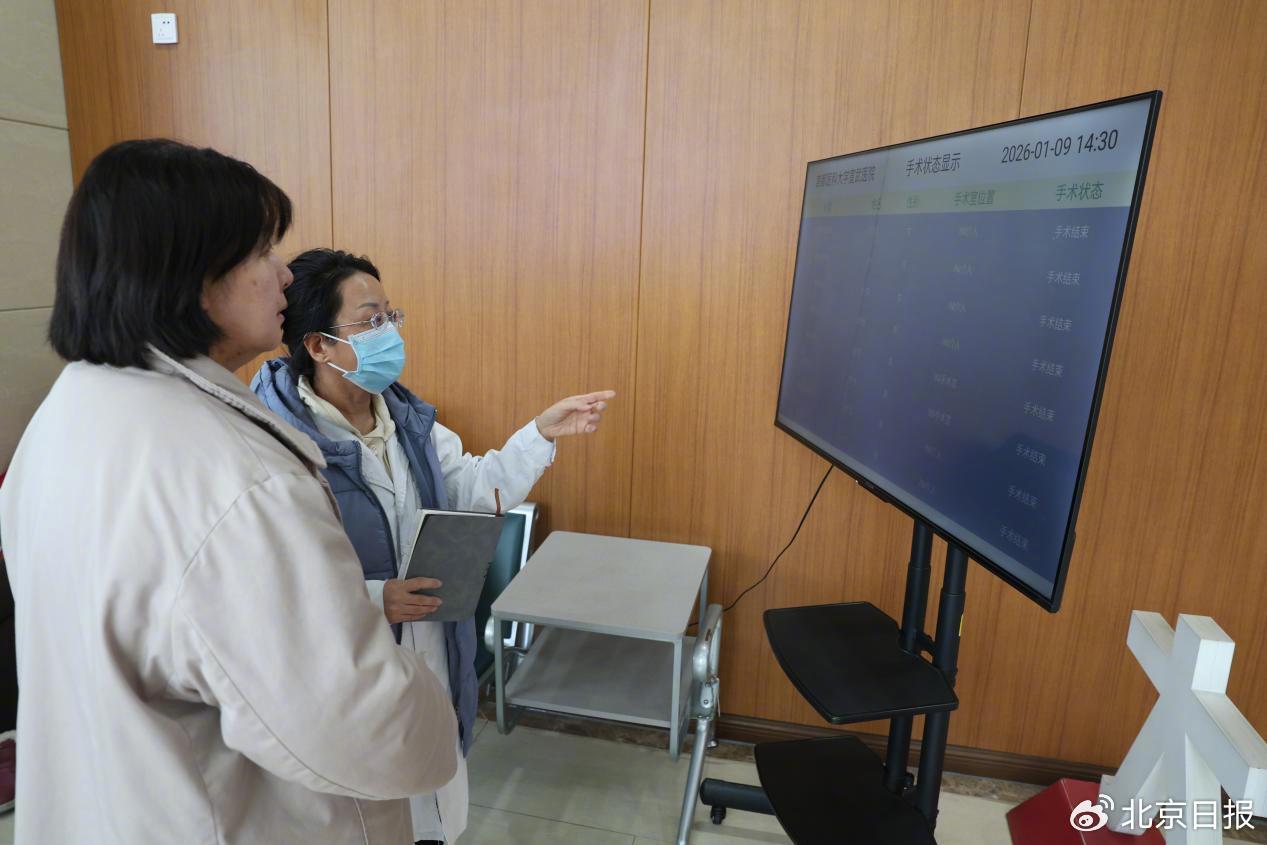
字号更大更清晰,宣武医院优化升级手术家属等候区信息屏
Xin Lang Cai Jing· 2026-01-09 13:37
Core Viewpoint - The article highlights the improvements made to the display screens in the waiting area for surgical family members at Xuanwu Hospital, addressing previous issues of readability and enhancing the overall patient experience [3][4]. Group 1: Issues Identified - A previous report indicated that the display screens had small font sizes and low contrast, making it difficult for families to read critical information such as patient names and surgical progress [3]. - The hospital's management recognized the importance of addressing these concerns promptly, emphasizing that "public concerns are not trivial matters" [3]. Group 2: Actions Taken - Following the report, a special task force was established to assess the waiting areas and implement necessary changes [4]. - Three key optimization measures were implemented: 1. Font sizes for critical information were increased by 100% to ensure clarity from a distance [4]. 2. The color scheme was changed from gray background with white text to a higher contrast green background with white text, improving readability [4]. 3. The layout was simplified to reduce information density and enhance visual clarity [4]. Group 3: Future Plans - The hospital plans to use this upgrade as a foundation for ongoing evaluations of medical service details and to improve the responsiveness to patient needs [5]. - There is a commitment to continuously optimize service processes and enhance service quality to make healthcare more considerate and accessible [5].

清退“沉睡”预交金 彰显医疗服务温度
Zheng Quan Shi Bao· 2025-09-02 01:14
Core Viewpoint - The Anhui public medical institutions have initiated a refund process for outpatient prepayment funds, addressing public concerns and enhancing patient convenience [1][2]. Group 1: Policy Implementation - The Anhui Health Commission and other departments have mandated the cessation of outpatient prepayment collection and set a deadline for clearing and refunding existing funds by the end of the year [1]. - This policy directly meets the actual needs of patients, providing them with tangible benefits and convenience [1]. Group 2: Refund Process - Anhui has emphasized a diversified and convenient refund process, allowing patients to choose between online and offline channels for refunds [2]. - The new refund system, which includes online refunds as the primary method, self-service machines as a secondary option, and manual windows as a supplementary method, significantly reduces the time and effort required from patients [2]. Group 3: Impact on Healthcare - The refund of "sleeping" prepayment funds enhances the transparency and efficiency of hospital cash flow, allowing for better allocation of resources towards improving medical technology and service quality [2]. - This initiative is expected to improve doctor-patient relationships, as patients experience better service during the refund process, leading to increased trust and satisfaction [2][3]. Group 4: Challenges - The implementation of the refund process faces challenges such as changes or loss of patient information, which complicates the refund process [3]. - Variations in refund processes and standards across different hospitals may cause confusion among patients, necessitating improved information management and communication from medical institutions [3].
民生冷暖 清退“沉睡”预交金 彰显医疗服务温度
Zheng Quan Shi Bao· 2025-09-01 22:05
Core Viewpoint - The Anhui public healthcare institutions have initiated a refund process for outpatient prepayment funds, addressing a common issue of "sleeping funds" and enhancing patient convenience and satisfaction [1][2]. Group 1: Policy Implementation - The Anhui Health Commission has mandated the cessation of outpatient prepayment collection and requires the completion of fund clearance and refunds by the end of the year, directly addressing patient needs [1][2]. - The refund process is designed to be diverse and convenient, with both online and offline channels available, significantly reducing the complexity and time required for patients to receive their refunds [2]. Group 2: Impact on Healthcare Services - Clearing "sleeping" prepayment funds will enhance the transparency and efficiency of hospital cash flow, allowing for better allocation of resources towards improving medical technology and service quality [2][3]. - The refund initiative is expected to improve doctor-patient relationships, as patients experience attentive service during the refund process, leading to increased trust and satisfaction [2][3]. Group 3: Challenges and Recommendations - Challenges include difficulties in refunding due to changes or loss of patient information and inconsistencies in refund processes across different hospitals, necessitating improved information management and communication of refund policies [3]. - The initiative reflects a commitment to patient rights and service improvement, with hopes that other regions will adopt similar reforms to enhance patient care [3].
民生冷暖 清退“沉睡”预交金彰显医疗服务温度
Zheng Quan Shi Bao· 2025-09-01 18:49
Core Viewpoint - The Anhui public healthcare institutions have initiated a refund process for outpatient prepayment funds, addressing a common issue of "sleeping funds" and enhancing patient convenience and satisfaction [1][2]. Group 1: Policy Implementation - The Anhui Health Commission has mandated the cessation of outpatient prepayment collection and requires the completion of fund clearance and refunds by the end of the year, directly addressing patient needs [1][2]. - The refund process is designed to be diverse and convenient, offering online, self-service, and manual refund options, significantly reducing the complexity and time required for patients [2]. Group 2: Impact on Healthcare Services - Clearing "sleeping" prepayment funds will enhance the transparency and efficiency of hospital cash flow, allowing for better allocation of resources towards improving medical technology and service quality [2]. - The refund initiative is expected to improve doctor-patient relationships, as patients experience attentive service during the refund process, leading to increased trust and satisfaction [2][3]. Group 3: Challenges and Recommendations - Challenges include difficulties in refunding due to changes or loss of patient information and inconsistencies in refund processes across different hospitals, which may confuse patients [3]. - It is recommended that healthcare institutions strengthen information management and improve refund mechanisms while widely promoting refund policies to ensure all eligible patients receive their refunds [3].