半球主义

Search documents
如何应对“特朗普式征服”?|| 大视野
Xin Lang Cai Jing· 2026-01-25 23:28
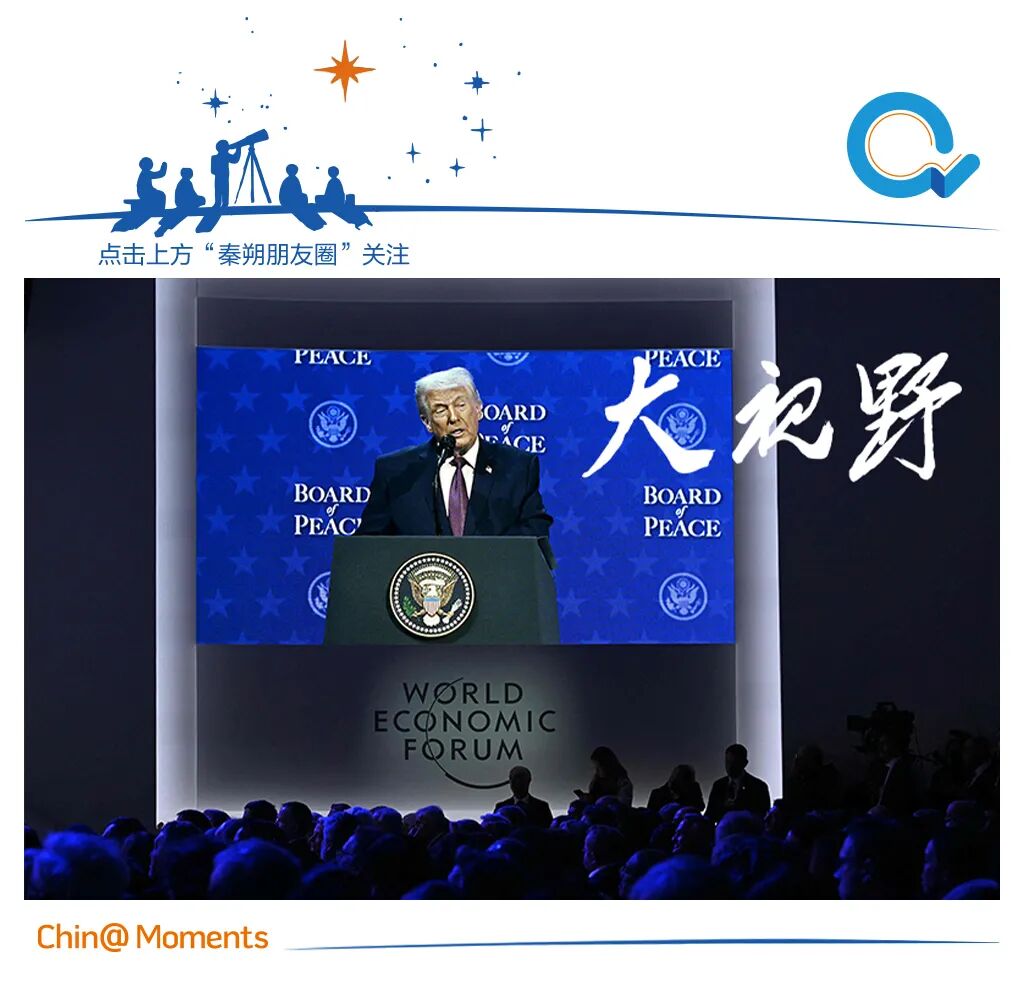
Group 1 - The core point of the news is the dramatic shift in President Trump's stance on Greenland, where he initially did not rule out the use of force but later stated he would not use military action to acquire the territory [3][4]. - The potential agreement between the U.S. and Denmark may involve the U.S. gaining military access rights and possibly priority rights over mineral resources in Greenland, similar to the UK's military bases in Cyprus [3][4]. - Trump's announcement at the World Economic Forum in Davos indicates a strategic pivot towards military and economic interests in Greenland and the Arctic region, reflecting a broader trend of U.S. assertiveness in global geopolitics [4][6]. Group 2 - The ongoing geopolitical dynamics suggest a shift from a rules-based international order to one defined by power and military might, as highlighted by the comments from global leaders at the World Economic Forum [6][16]. - The rise of nationalism and the decline of multilateralism are leading to increased tensions and potential conflicts between nations, as countries prioritize their own strategic interests [16][20]. - The financial markets reacted positively to Trump's softened rhetoric, indicating a temporary alleviation of fears regarding U.S.-Europe trade tensions [6][12]. Group 3 - The U.S. is undergoing a strategic adjustment, moving from a globalist approach to a hemispheric focus, emphasizing "America First" principles and a cost-benefit analysis in foreign policy [10][15]. - The potential for increased military spending and territorial ambitions reflects a broader trend of the U.S. asserting its influence in regions it considers vital to its national security [12][15]. - The implications of this shift could lead to a more fragmented global order, where power dynamics dictate international relations rather than established rules [16][20]. Group 4 - The situation in Greenland is emblematic of a larger trend where the U.S. is willing to exert its influence in strategic areas, potentially at the expense of traditional allies [10][21]. - The evolving U.S.-China relationship under Trump's administration suggests a more pragmatic approach, focusing on mutual benefits rather than ideological confrontations [20][21]. - China's response to the changing global landscape involves emphasizing rules and cooperation while building its own strength to navigate the complexities of international relations [22][24].