西半球主义

Search documents
如何应对“特朗普式征服”?|| 大视野
Xin Lang Cai Jing· 2026-01-25 23:28
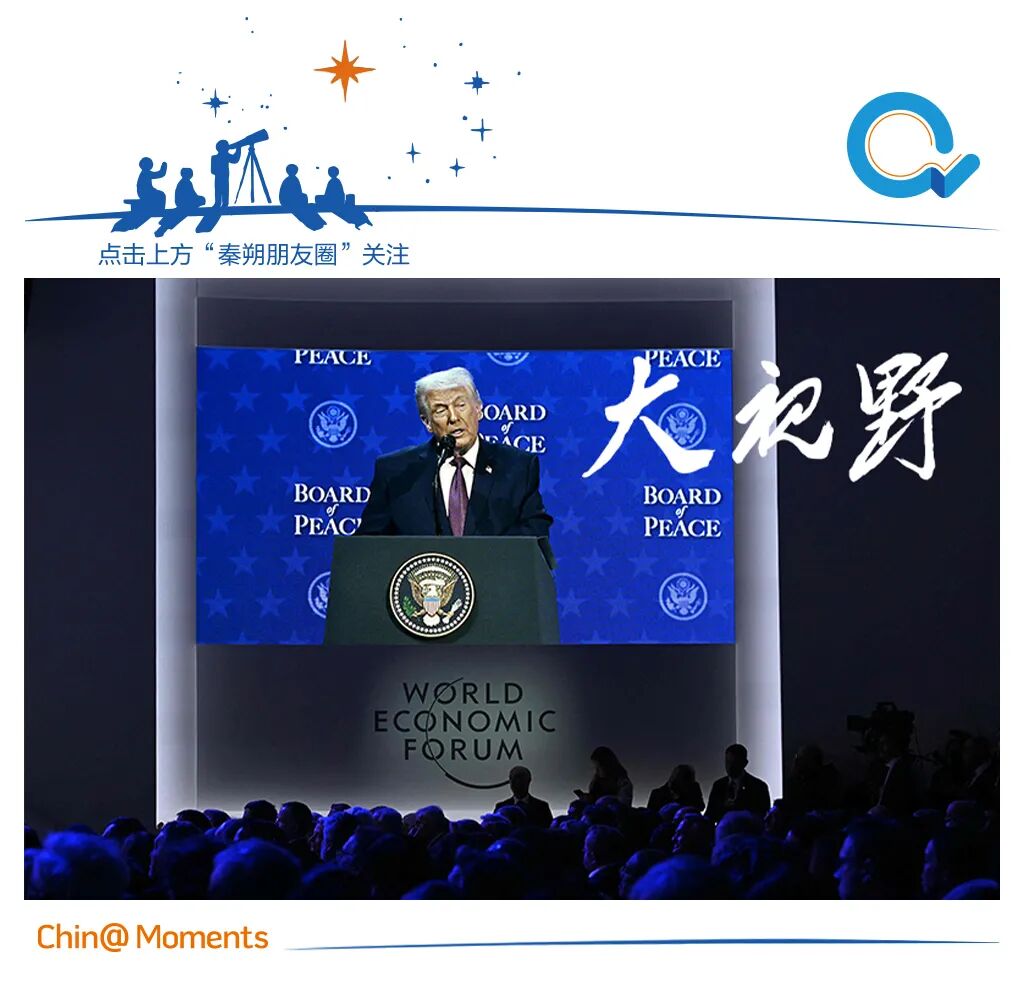
Group 1 - The core point of the news is the dramatic shift in President Trump's stance on Greenland, where he initially did not rule out the use of force but later stated he would not use military action to acquire the territory [3][4]. - The potential agreement between the U.S. and Denmark may involve the U.S. gaining military access rights and possibly priority rights over mineral resources in Greenland, similar to the UK's military bases in Cyprus [3][4]. - Trump's announcement at the World Economic Forum in Davos indicates a strategic pivot towards military and economic interests in Greenland and the Arctic region, reflecting a broader trend of U.S. assertiveness in global geopolitics [4][6]. Group 2 - The ongoing geopolitical dynamics suggest a shift from a rules-based international order to one defined by power and military might, as highlighted by the comments from global leaders at the World Economic Forum [6][16]. - The rise of nationalism and the decline of multilateralism are leading to increased tensions and potential conflicts between nations, as countries prioritize their own strategic interests [16][20]. - The financial markets reacted positively to Trump's softened rhetoric, indicating a temporary alleviation of fears regarding U.S.-Europe trade tensions [6][12]. Group 3 - The U.S. is undergoing a strategic adjustment, moving from a globalist approach to a hemispheric focus, emphasizing "America First" principles and a cost-benefit analysis in foreign policy [10][15]. - The potential for increased military spending and territorial ambitions reflects a broader trend of the U.S. asserting its influence in regions it considers vital to its national security [12][15]. - The implications of this shift could lead to a more fragmented global order, where power dynamics dictate international relations rather than established rules [16][20]. Group 4 - The situation in Greenland is emblematic of a larger trend where the U.S. is willing to exert its influence in strategic areas, potentially at the expense of traditional allies [10][21]. - The evolving U.S.-China relationship under Trump's administration suggests a more pragmatic approach, focusing on mutual benefits rather than ideological confrontations [20][21]. - China's response to the changing global landscape involves emphasizing rules and cooperation while building its own strength to navigate the complexities of international relations [22][24].

淡水泉陶冬:2026年,系好安全带,资产为王
Jing Ji Guan Cha Wang· 2026-01-09 06:36
Core Viewpoint - The global economy is entering a delicate phase in 2026, characterized by asset inflation and geopolitical uncertainties, with a focus on the concept of "asset supremacy" as a survival strategy [4][14]. Economic Trends - The current global economic shape is described as "K-shaped," indicating a divergence where high-income groups benefit from asset markets while low-income groups face rising living costs, leading to a "no job growth" scenario despite strong macroeconomic indicators [5][6]. - This K-shaped development is expected to deepen in 2026, with political extremism becoming normalized as economic growth fails to benefit the lower strata of society [6]. Federal Reserve Dynamics - The Federal Reserve is anticipated to undergo significant leadership changes in 2026, which may lead to a shift in policy thinking, particularly under political pressure for lower interest rates [7][8]. - There is a possibility that the Fed may maintain or even restart quantitative easing to address fiscal deficits and prevent a bond market collapse, indicating a departure from traditional monetary policy [8]. AI Sector Insights - The AI sector is at a critical juncture, with concerns about overinvestment and the sustainability of business models. A significant adjustment in the AI industry is likely in 2026, transitioning from a focus on high-level infrastructure to practical applications [9][10]. - The differences in AI development paths between the U.S. and China are notable, with the U.S. focusing on stock market-driven models and China leveraging government support for open-source applications [10]. Fiscal Capitalism Observations - The global economy is shifting towards "fiscal capitalism," where government fiscal outputs drive economic activity, leading to excessive credit issuance and a loss of trust in fiat currencies, as evidenced by the rise in gold and silver prices [11]. - Commodities like gold and silver are expected to maintain their value due to structural long-term trends, with silver benefiting from industrial demand linked to AI and data center construction [11]. Geopolitical Landscape - Geopolitical risks are expected to shift rather than diminish, with a focus on "Western Hemisphereism" under Trump's potential return to power, which may lead to a reconfiguration of U.S. foreign policy and energy strategies [12]. Investment Strategy - The overarching investment strategy for 2026 emphasizes the importance of holding "hard currencies" and core assets that can withstand credit risks and technological cycles, as traditional savings may not keep pace with inflation [14].