
TACO时刻

Search documents
特朗普何时再“TACO”?华尔街发现了这个规律
华尔街见闻· 2026-03-26 07:52
Core Viewpoint - The article discusses the correlation between U.S. oil prices, U.S. Treasury yields, and the political responses from the Trump administration, highlighting a pattern of intervention when oil prices approach critical thresholds [1][2]. Group 1: Oil Prices and Political Responses - Observations indicate that since the outbreak of war, Trump's rhetoric tends to escalate during weekends when oil markets are closed, and peace signals emerge when oil prices rise [2]. - A clear pattern has emerged: when U.S. crude oil prices approach $95 to $100 per barrel, the White House intensifies its cooling rhetoric, leading to expectations of government intervention in the oil market [2]. - The rise in gasoline prices above $4 per gallon is politically sensitive, as it directly impacts voters, making it a critical concern for the administration [2]. Group 2: Market Reactions and Investor Sentiment - Investors are currently focused on predicting the next "TACO moment," a term referring to potential policy reversals by Trump, particularly in the context of the ongoing conflict [3][4]. - Deutsche Bank has developed a "pressure index" to gauge the likelihood of strategic adjustments from the U.S. government, based on factors such as Trump's approval ratings and inflation expectations [5]. - The pressure index is nearing its highest level since Trump returned to the White House, indicating a strong motivation for potential adjustments if multiple economic pain points worsen [6]. Group 3: Treasury Yields as a Trigger Point - U.S. Treasury yields are another critical trigger point for the Trump administration, with heightened sensitivity observed as the 10-year Treasury yield approaches 4.5% [8]. - The current yield has reached a near 12-month high, driven by inflation expectations linked to rising oil prices, serving as an important indicator for monitoring White House policy shifts [8]. Group 4: Investor Strategies Amid Uncertainty - Many investors are adopting a wait-and-see approach due to the unpredictable nature of the situation, with concerns that any premature positions could be adversely affected by Trump's social media posts [9].


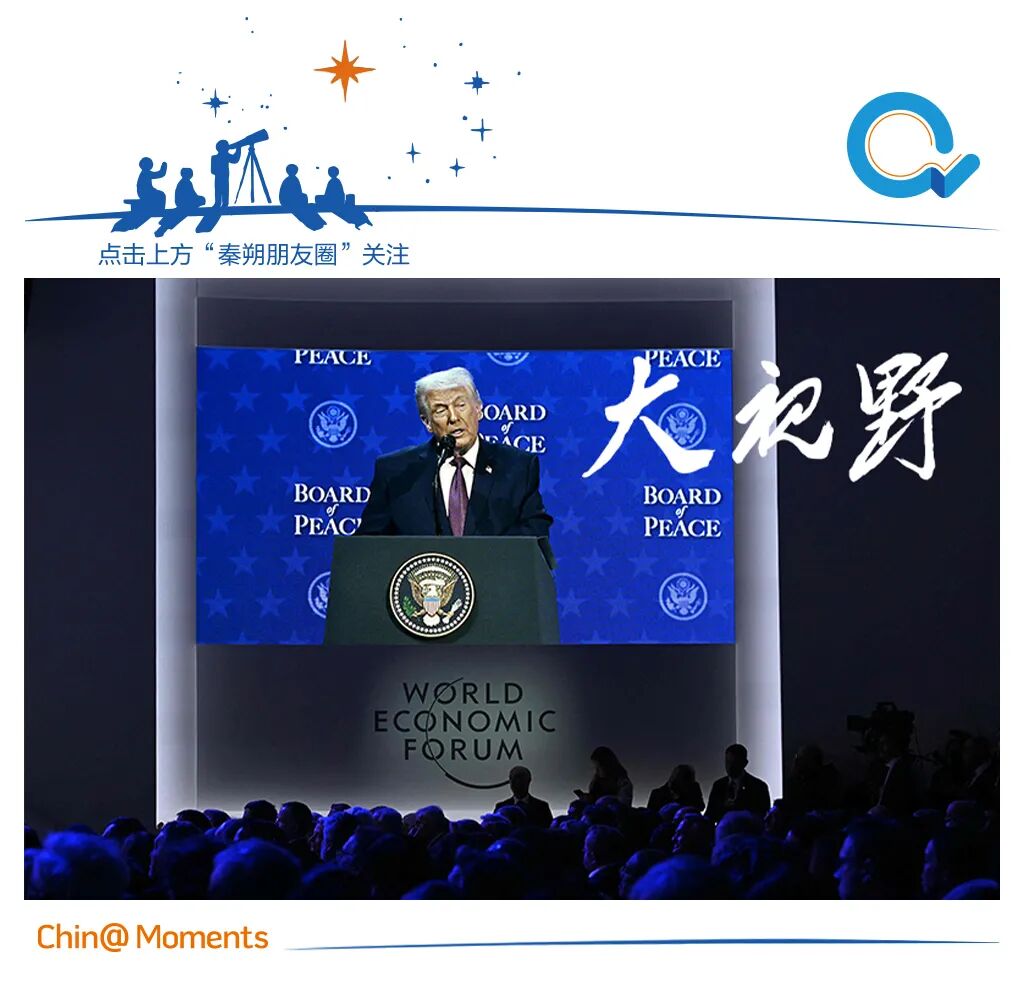
如何应对“特朗普式征服”?|| 大视野
Xin Lang Cai Jing· 2026-01-25 23:28
Group 1 - The core point of the news is the dramatic shift in President Trump's stance on Greenland, where he initially did not rule out the use of force but later stated he would not use military action to acquire the territory [3][4]. - The potential agreement between the U.S. and Denmark may involve the U.S. gaining military access rights and possibly priority rights over mineral resources in Greenland, similar to the UK's military bases in Cyprus [3][4]. - Trump's announcement at the World Economic Forum in Davos indicates a strategic pivot towards military and economic interests in Greenland and the Arctic region, reflecting a broader trend of U.S. assertiveness in global geopolitics [4][6]. Group 2 - The ongoing geopolitical dynamics suggest a shift from a rules-based international order to one defined by power and military might, as highlighted by the comments from global leaders at the World Economic Forum [6][16]. - The rise of nationalism and the decline of multilateralism are leading to increased tensions and potential conflicts between nations, as countries prioritize their own strategic interests [16][20]. - The financial markets reacted positively to Trump's softened rhetoric, indicating a temporary alleviation of fears regarding U.S.-Europe trade tensions [6][12]. Group 3 - The U.S. is undergoing a strategic adjustment, moving from a globalist approach to a hemispheric focus, emphasizing "America First" principles and a cost-benefit analysis in foreign policy [10][15]. - The potential for increased military spending and territorial ambitions reflects a broader trend of the U.S. asserting its influence in regions it considers vital to its national security [12][15]. - The implications of this shift could lead to a more fragmented global order, where power dynamics dictate international relations rather than established rules [16][20]. Group 4 - The situation in Greenland is emblematic of a larger trend where the U.S. is willing to exert its influence in strategic areas, potentially at the expense of traditional allies [10][21]. - The evolving U.S.-China relationship under Trump's administration suggests a more pragmatic approach, focusing on mutual benefits rather than ideological confrontations [20][21]. - China's response to the changing global landscape involves emphasizing rules and cooperation while building its own strength to navigate the complexities of international relations [22][24].
特朗普变局只是插曲,黄金登顶5000后的战斗才致命!
Xin Lang Cai Jing· 2026-01-22 01:40
Core Viewpoint - The recent easing of geopolitical tensions, particularly related to President Trump's stance on Greenland, has led to a decline in gold and silver prices, with gold dropping below $4,800 per ounce and silver nearly 2% down [3][10]. Group 1: Market Reactions - Following Trump's announcement of a framework for future agreements regarding Greenland, U.S. stock indices and bond prices rose, while the dollar strengthened, marking what some refer to as a "TACO moment" [5][12]. - Gold prices have retreated from record highs but have maintained a significant increase for the week [13]. Group 2: Gold's Role as an Asset - Gold is increasingly viewed as an "insurance asset" in a world fraught with economic and political uncertainties, providing a hedge against losses related to the Federal Reserve's independence and U.S. plans regarding Venezuela [6][13]. - The current macroeconomic environment suggests that gold's value may not rely on traditional drivers such as interest rate cuts or isolated geopolitical events, but rather on ongoing uncertainties [6][14]. Group 3: Future Price Projections - Analysts suggest that reaching the $5,000 per ounce level for gold is not out of reach, but sustaining that price will depend on a supportive macroeconomic backdrop [14]. - Key factors for maintaining gold above $5,000 include structurally lower real interest rates, ongoing de-dollarization in global reserves, persistent geopolitical divisions, and strong institutional and central bank demand [7][14].
