华中战略反攻

Search documents
铭记历史 缅怀先烈·关键战场|战果辉煌 车桥战役揭开华中局部反攻序幕
Yang Shi Wang· 2025-08-22 03:08
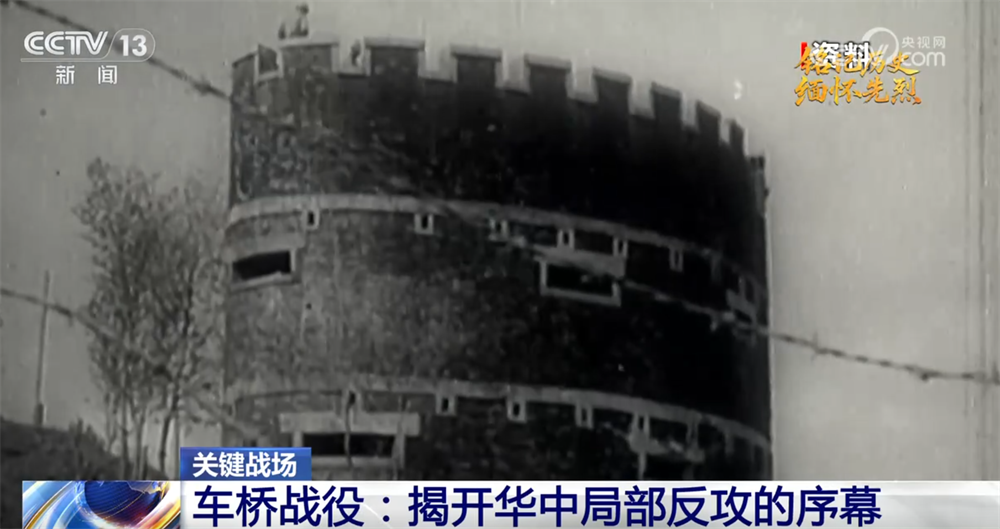
Core Viewpoint - The article highlights the significance of the Battle of Cheqiao during the Second Sino-Japanese War, emphasizing its strategic importance in connecting various anti-Japanese bases and its role in the broader context of the war [1][21]. Summary by Sections Historical Context - Cheqiao Town, known as "Little Nanjing of Northern Jiangsu," was a crucial hub during the war, linking multiple anti-Japanese bases [1]. - The town was fortified by Japanese forces with 53 bunkers, making it a stronghold believed to be impenetrable [1]. Military Strategy and Execution - In 1944, the New Fourth Army shifted from defensive to offensive tactics, employing a "heart extraction" strategy to capture Cheqiao [3]. - The battle commenced on March 5, 1944, at 1:50 AM, with the New Fourth Army launching an attack on the fortified positions [7]. Key Events of the Battle - Within an hour, the New Fourth Army breached the defenses, capturing multiple bunkers and streets, effectively isolating Japanese forces [9]. - The battle involved strategic ambushes, with a significant portion of the troops positioned to intercept Japanese reinforcements [11]. Local Support and Civilian Involvement - Local civilians played a crucial role, with around 50,000 residents assisting in the battle, including the construction of a 15-kilometer dam for troop movement and supply [15]. Outcomes and Significance - The New Fourth Army achieved a decisive victory, eliminating nearly 1,000 enemy troops and capturing a Japanese commander [17]. - The success of the battle disrupted Japanese plans and facilitated the transportation of strategic materials, enhancing the coordination between military and local forces [19]. - The victory connected various anti-Japanese bases in Central China, marking a turning point in the war and initiating a strategic counteroffensive [21].