华尔街金手铐

Search documents
我花80万读杜克,只换来华尔街的无薪实习
Sou Hu Cai Jing· 2025-11-04 15:26
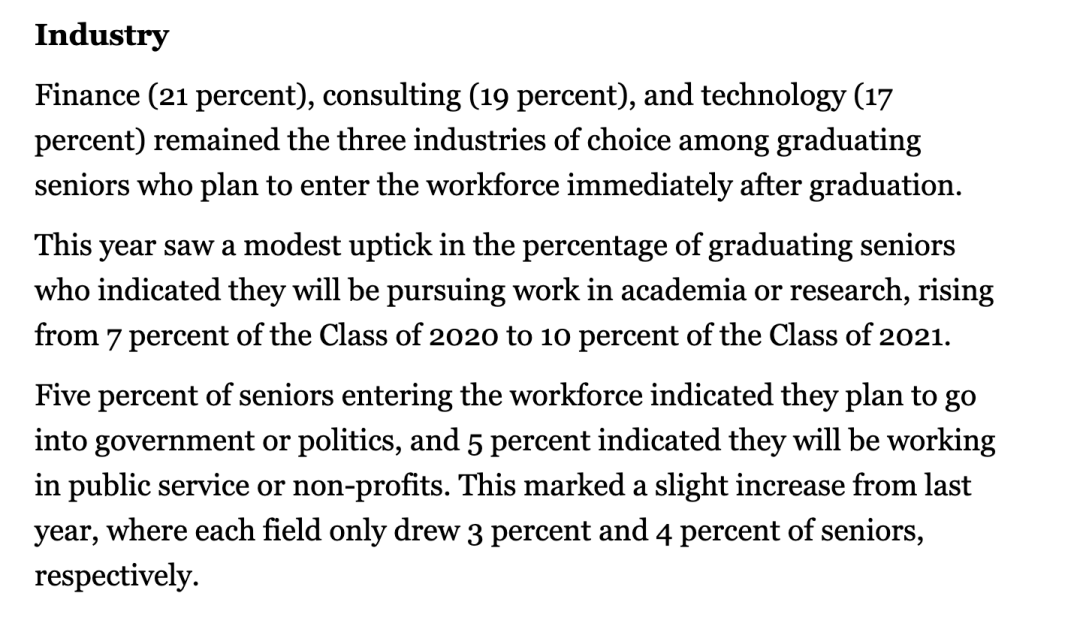
Group 1 - The article discusses the phenomenon of Ivy League graduates, often referred to as "golden handcuffs," predominantly choosing careers in investment banking and consulting, with nearly half of Harvard graduates entering these fields in both 2008 and 2021 [1][3] - A significant number of international students invest substantial amounts in education, often exceeding hundreds of thousands, to secure high-paying jobs on Wall Street, although academic credentials are merely the entry requirement [3][4] Group 2 - The narrative of a Chinese international student illustrates the challenges faced when transitioning from a liberal arts background to a Wall Street investment banking career, highlighting the stark class differences encountered [4][6] - The student initially pursued a degree in economics but switched to art history, ultimately seeking to leverage investment banking experience to return to the art sector [6][8] Group 3 - The competitive landscape of Wall Street is underscored by the reliance on alumni networks and connections, with many students from elite institutions finding it difficult to secure positions without such advantages [10][14] - A recent report from College Transitions reveals that top investment banking positions are predominantly filled by graduates from traditional finance schools and Ivy League institutions, emphasizing the importance of alumni connections [18][22] Group 4 - The report identifies New York University as the leading institution for producing Wall Street alumni, followed by the University of Michigan and Cornell University, with Ivy League schools also ranking highly [19][20] - The second list adjusts for enrollment size, showcasing smaller liberal arts colleges like Claremont McKenna College as significant contributors to Wall Street placements, indicating that smaller institutions can also provide strong pathways to finance careers [24][26] Group 5 - The geographical proximity of schools to Wall Street, such as NYU and Columbia University, enhances students' access to internship opportunities, which is a critical factor in securing employment in the finance sector [27] - Recommendations for non-target school students include pursuing master's programs to enhance qualifications, starting at boutique investment firms, leveraging LinkedIn for networking, and developing technical skills in financial modeling and data analysis [29]