
单细胞转录组测序技术

Search documents
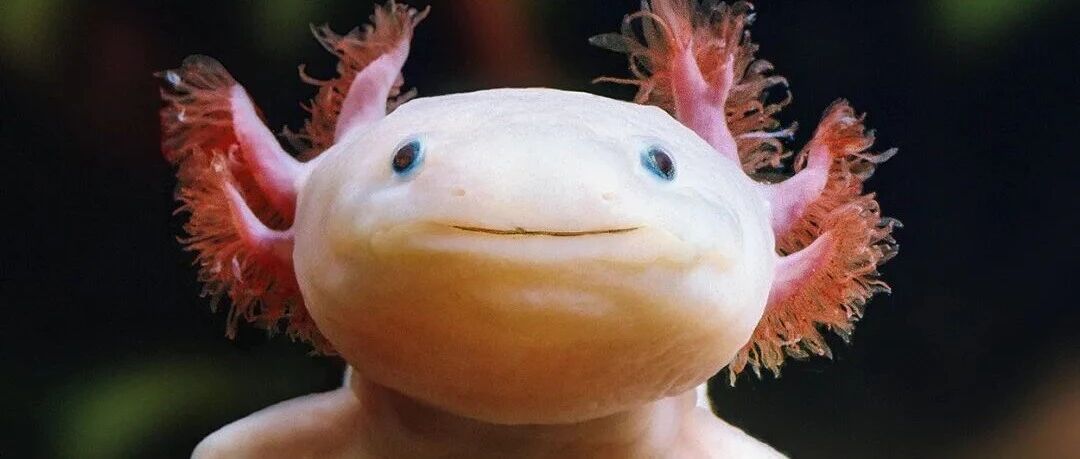
登上Science子刊封面:首都医科大学首次证实,脊椎动物能够完全再生胸腺
生物世界· 2025-12-08 09:00
Core Findings - The study demonstrates that the axolotl can regenerate its thymus completely after surgical removal, a process that occurs without any remaining thymic tissue [3][7]. - Within 7 days post-surgery, thymic structures begin to reappear, and by 35 days, the regenerated thymus is nearly indistinguishable from a normal thymus in morphology, size, and cellular composition [7]. Functional Recovery - Experiments showed that the regenerated thymus can function normally; after transplantation into other axolotls, fluorescently labeled cells from the regenerated thymus migrated to the host's blood, spleen, and limbs within 3 days [9]. - A year later, it was found that only thymic epithelial cells were from the donor, while all mature lymphocytes originated from the host, indicating that the regenerated thymus can recruit host hematopoietic progenitor cells to develop into functional T cells [9]. Molecular Mechanisms - The regeneration process involves complex cellular signaling, with two key signaling pathways identified: Bone Morphogenetic Protein (BMP) and Midkine (MDK) [10]. - MDK plays a crucial role in the early stages of regeneration, with expression beginning 1-3 days post-injury, prior to the reappearance of thymic epithelial cells [10]. Scientific Significance - This research confirms the complete regenerative capability of lymphoid organs in vertebrates, challenging previous scientific beliefs about the limits of organ regeneration in vertebrates [12]. - Understanding the molecular mechanisms of axolotl thymus regeneration may provide insights for developing therapies to promote thymus regeneration in humans, particularly for patients who have undergone thymectomy due to conditions like myasthenia gravis or cancer [13].

奶牛多组织单细胞表达图谱问世
Ke Ji Ri Bao· 2025-09-11 00:01
Core Insights - The research team at China Agricultural University has developed the world's first multi-tissue single-cell expression atlas for dairy cows, covering 59 tissues and 1.79 million cells, which is crucial for understanding genetic regulation mechanisms of important traits in cattle and advancing precision breeding [1][2] Group 1: Research Significance - This study fills a gap in the field of single-cell biology for dairy cows, providing essential foundational data for genetic breeding, immunology research, and comparative medicine [2] - The technical approach and analytical framework established in this research can serve as a reference for constructing single-cell atlases for other livestock, promoting innovation in breeding technologies and ensuring the utilization of agricultural animal genetic resources [2] Group 2: Methodology and Findings - The research utilized single-cell transcriptome sequencing technology on one Holstein cow fetus, four calves, and ten adult Holstein cows (including both bulls and cows), resulting in the annotation of 131 cell types across seven major cell lineages [1] - The study successfully identified high-quality cells from 59 tissues, which include immune cells, endothelial cells, epithelial cells, stromal cells, nerve cells, muscle cells, and reproductive cells [1]