历史文化街区保护利用

Search documents
两处历史文化街区保护利用经验获国家推广
Liao Ning Ri Bao· 2025-11-14 01:01
Core Points - The Ministry of Housing and Urban-Rural Development has released a list of replicable experiences for the protection and utilization of historical and cultural districts, highlighting successful cases from Shenyang and Chaoyang [1] Group 1: Shenyang Zhongshan Road Historical and Cultural District - The district has implemented a digital protection plan using advanced technologies such as 3D laser scanning and drone photography to accurately document historical buildings and their surroundings [1] - A comprehensive digital archive has been created, including detailed protection maps, current status, and measures for historical buildings, which will aid in future restoration approvals [1] - The archive consists of a combination of "attachments—explanations—models—images," establishing a value element index model and compiling historical imagery [1] Group 2: Chaoyang Water Pump Factory Historical and Cultural District - The district has integrated scientific experience and educational functions into its industrial architecture, creating a children's practical education base called "1958 Science Paradise" [1] - The site utilizes 13 historical buildings and features interactive equipment such as VR safety training and MR mixed-reality outdoor experiences to provide immersive safety training scenarios [1] - Over 40,000 participants have engaged in educational activities, contributing to the development of a child-friendly district [1]
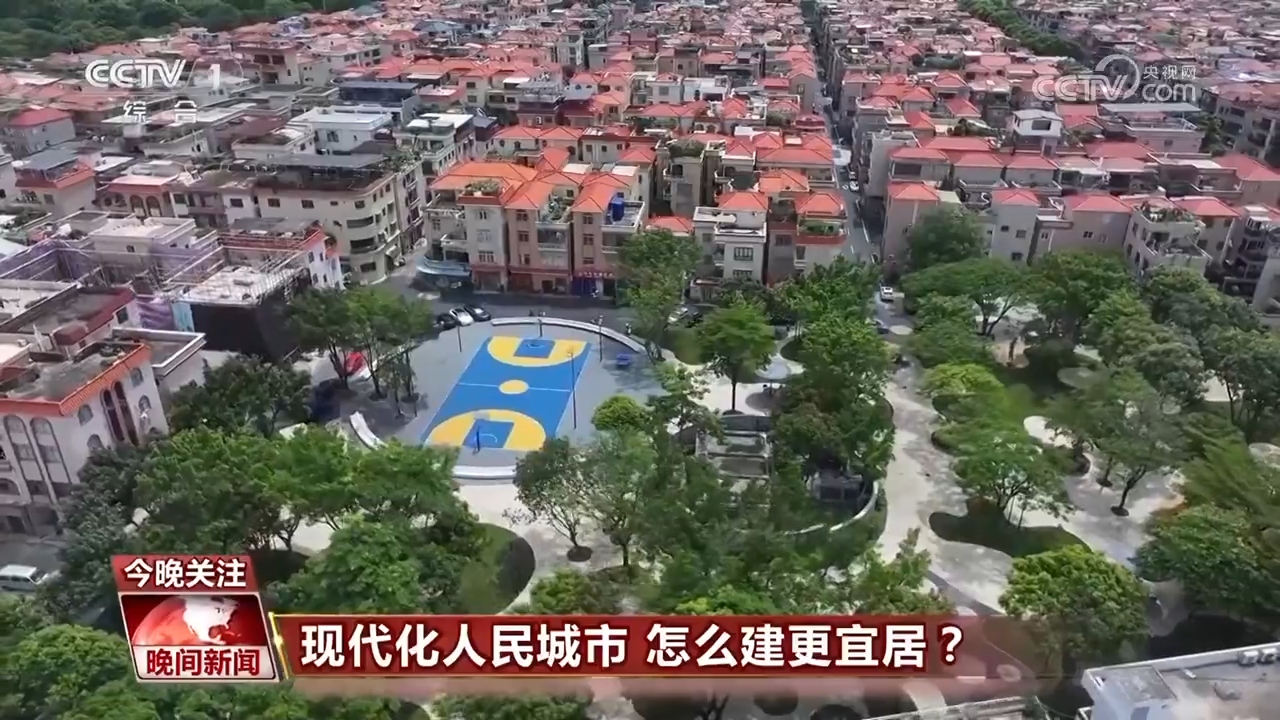
现代化人民城市 怎么建更宜居?
Yang Shi Wang· 2025-07-25 16:08
Core Insights - The article highlights the ongoing efforts in Shunde, Guangdong, to develop a comfortable and convenient livable city, particularly through urban renewal and the promotion of young entrepreneurship [1][3]. Group 1: Urban Development and Community Transformation - The central urban planning initiative emphasizes the construction of livable cities and the enhancement of public service levels, with a focus on developing lifestyle service industries [3]. - The Su Gang community in Shunde has seen significant changes, with an influx of young entrepreneurs, such as Liang Yile, who relocated his coffee shop back to his hometown due to improved local conditions [3][6]. - The transformation of traditional buildings into trendy cafes and cultural spaces has created a vibrant atmosphere, attracting both locals and tourists [6][8]. Group 2: Policy Support and New Business Trends - Local policies have facilitated the emergence of new business formats, including modern tea houses and themed accommodations, which are rooted in the region's cultural heritage [4][6]. - The revitalization of public spaces, such as clean streets and organized recreational areas, has enhanced the quality of life for residents, fostering a sense of community [6][8]. - The integration of historical architecture with modern amenities has made Shunde an attractive destination for visitors, blending cultural heritage with contemporary living [8].