历史研究

Search documents
经观书评2025年度十大好书
经济观察报· 2026-02-15 12:22
Core Viewpoint - The article presents a curated list of recommended books for 2025, categorized into four main genres: management, technology, literature, and history, aiming to enhance readers' enjoyment of their reading journey [2]. Group 1: Management Books - "Why Managers Matter: The Perils of Bossless Companies" addresses the essential role of managers in balancing decentralization and rapid decision-making in organizations, particularly in the context of the AI era [8]. - "The Logic of Governance in Grassroots China" provides a comprehensive analysis of grassroots governance structures and challenges, offering theoretical support for understanding and optimizing governance practices in China [5]. Group 2: Technology Books - "The Republic of Technology" discusses the intersection of technology and national competition, highlighting the political implications of technological advancements and the need for a re-evaluation of the relationship between tech elites and state power [14][15]. Group 3: Literature Books - "The Song on the River" is noted for its narrative style and exploration of modern human experiences, emphasizing the journey of self-discovery amidst societal challenges [19]. - "The Last Envoy of the Ming Dynasty" presents a historical narrative focusing on a lesser-known figure in the context of global history, blending rigorous research with literary storytelling [27][28]. Group 4: Historical Books - "Compromise and Confrontation: Japanese Intellectuals During War and Defeat" examines the complex attitudes of Japanese intellectuals during wartime, reflecting on themes of resistance and moral integrity in extreme circumstances [30]. - "Nazis and Philosophers: A Personal History of Exile" recounts the experiences of a Jewish philosopher during the rise of the Nazis, providing insights into the intellectual landscape of the time and the moral dilemmas faced by scholars [33].

邓安庆:弱小的力量也是力量|春来好读书
经济观察报· 2026-02-14 01:06
Core Viewpoint - The article reflects on the changes and uncertainties experienced in the first quarter of the 21st century, emphasizing the importance of reading as a means to find stability and understanding in a rapidly changing world [2][4]. Group 1: Reflections on Literature and History - The author highlights a personal focus on literature and history in 2025, particularly works related to Zhang Ailing and Shen Congwen, indicating a deep engagement with these authors' contributions to modern Chinese literature [5][9]. - The book "Becoming Zhang Ailing" by Huang Xincun is noted for its unique perspective and thorough research, showcasing the author's dedication to exploring Zhang Ailing's life and works [8]. - Zhang Xinying's works on Shen Congwen are recognized for their emotional depth and ability to resonate with readers, contributing significantly to the understanding of Shen's literary impact [12][13]. Group 2: Historical Insights - The book "The Deadlock of the Jin Dynasty" by Shen Gang is praised for its clear structure and accessible language, providing a comprehensive overview of the political history of the Jin Dynasty [14][18]. - The author expresses a sense of fatigue when reading historical accounts due to the overwhelming nature of the events described, reflecting on the brutality and chaos of historical conflicts [19]. - The work "Dream Awakening" by Shen Aidi is highlighted for its focus on the life of Liu Dapeng, a common person whose diary offers insights into the struggles and experiences of ordinary individuals during significant historical upheavals [21][25]. Group 3: Broader Historical Context - The book "Collapse" by Bo Zhengmin introduces a new perspective on the fall of the Ming Dynasty, linking it to environmental factors and societal pressures, emphasizing the importance of understanding historical context [30]. - The author notes that the examination of historical events can provide a sense of perspective and calm amidst contemporary uncertainties, suggesting that history can serve as a guide for navigating current challenges [28][30].
古籍新书·2025年冬季|中华传统饮食语汇通释
Xin Lang Cai Jing· 2026-02-13 11:07
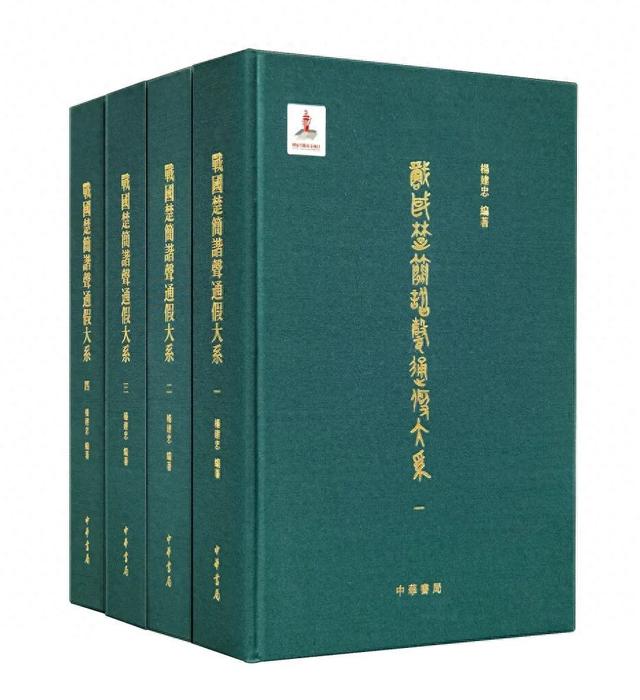
Group 1 - The book "Zhan Guo Chu Jian Xie Sheng Tong Jia Da Xi" compiles 5,102 characters and 4,236 homophonic characters from the Warring States period, providing a systematic framework for understanding the evolution of Chinese characters and language during that era [2] - "Zhonghua Yicang: Volume Three: Wenbing Juan" includes 93 representative texts on warm diseases, marking significant developments in traditional Chinese medicine and the establishment of the Wenbing school [4] - "Song Yuan Pianwen Piping Wenxian Jizuan" documents the flourishing of parallel prose criticism during the Song and Yuan dynasties, highlighting its interaction with literary theory and criticism [6] Group 2 - "Zhong Tang Yuan He Poetry in Japan" explores the transmission and acceptance of Middle Tang poetry in Japan, detailing various channels of cultural exchange and the evolution of Japanese interpretations of these works [8] - "Xuzhushou Ji" presents a comprehensive collection of works by Xu Shou, showcasing the literary contributions of a prominent Qing dynasty scholar and his influence on regional literature [31] - "Chengyu Diqu Traffic Historical Materials: 1911-1949" provides a detailed account of transportation developments in the Chengyu region during the late Qing and Republican periods, emphasizing the impact of these changes on regional economy and society [33]
是不是原始资料和档案创造了历史?
Xin Lang Cai Jing· 2025-12-02 04:13
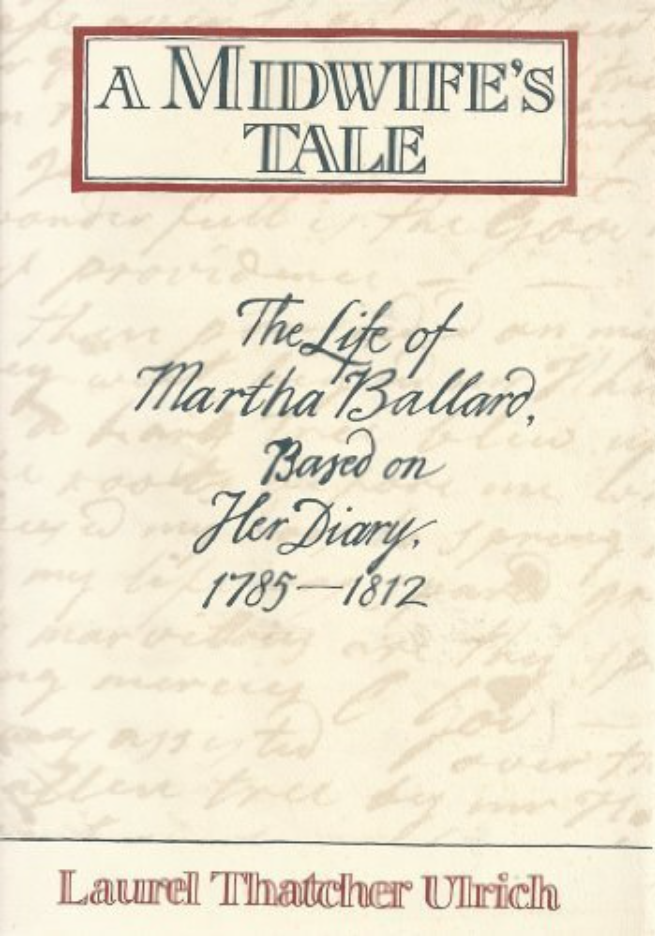
Core Argument - The discovery of historical documents does not change history itself, as historical research is based on complex interpretations and contexts rather than singular findings [1] Group 1: Importance of Historical Documents - Martha Ballard's diary, a significant historical document, was initially undervalued but later recognized for its rich insights into 18th-century life [2][3] - The diary contains nearly 10,000 entries detailing mundane daily activities alongside dramatic events, showcasing the complexity of historical narratives [2][3] Group 2: Role of Historians - Historians like Laurel Thatcher Ulrich have demonstrated the potential of seemingly trivial documents to reconstruct significant historical narratives, as seen in "A Midwife's Tale" [3][4] - The act of creating history involves historians identifying and interpreting documents, which can lead to the emergence of new historical perspectives [4][5] Group 3: Archives and Power Dynamics - The establishment of national archives in the 19th century allowed governments to control historical narratives, influencing what is recorded and preserved [6][7] - The ability to access archives shapes the differences between amateur and professional historians, as well as the narratives that dominate historical discourse [7][8] Group 4: Social History and Marginalized Voices - Social historians often extract valuable information from judicial records, revealing insights into daily life and societal views that were not the primary focus of the original documents [9] - The study of marginalized groups often requires innovative approaches to reconstruct their histories, as traditional records may overlook their experiences [9][12] Group 5: Oral History as a Methodology - Oral history has emerged as a method for historians to create their own sources, capturing personal narratives that may not be documented in written form [13][14] - This approach challenges the notion that written records are superior, highlighting the subjective nature of both oral and written histories [14][15]
新时代中国调研行之文化中华|千年文物记载的“交融密码”
Xin Hua She· 2025-08-24 11:22
Core Insights - The articles highlight the significance of cultural artifacts in showcasing the historical interactions and exchanges among different ethnic groups in China, particularly in the context of the Jilin Province [1][8] - The artifacts serve as tangible evidence of the rich cultural heritage and craftsmanship of various dynasties, reflecting the evolution of artistic styles and techniques over centuries [6][7] Group 1: Historical Artifacts - The "丙午神钩" copper belt hook, discovered in 1968, exemplifies Eastern Han craftsmanship with intricate design and precious materials, symbolizing the close ties between the Han Dynasty and the Fuyu Kingdom [1] - A Han white jade cup, unearthed in 1958, showcases the influence of Central Plains culture in Northeast China, indicating the movement of artistic styles across regions during the 2nd to 3rd centuries [2][3] Group 2: Cultural Exchange - The octagonal copper mirror found in 1971 serves as a crucial historical source for understanding the Liao Dynasty, featuring rare Khitan inscriptions that reflect the cultural and linguistic diversity of the time [4][5] - The discovery of a Ding kiln white-glazed plum vase in 1980 highlights the appreciation of Central Plains porcelain art by the Jin Dynasty elite, illustrating the cultural exchanges between different regions [6] Group 3: Artistic Legacy - The官窑青釉贯耳瓶, recognized as a representative of Song Dynasty porcelain, embodies the peak of Chinese ceramic artistry, showcasing the transition and continuity of techniques from earlier dynasties [7] - The artifacts collectively represent the enduring legacy of craftsmanship and the interconnectedness of various cultures throughout Chinese history, emphasizing the importance of preserving these historical treasures [8]

《侵华日军第七三一部队罪证陈列馆遗址文物图鉴》在哈尔滨发布
Xin Hua She· 2025-08-15 13:00
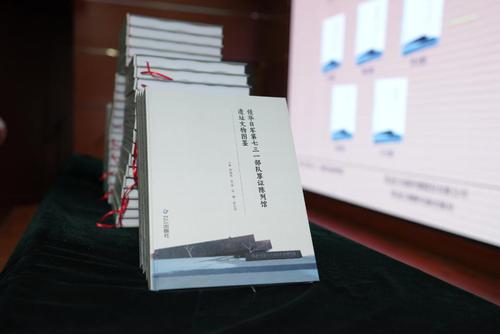
Group 1 - The publication of "Evidence of the Crimes of the Japanese Army's Unit 731" serves as a comprehensive summary and display of decades of archaeological findings and evidence collection related to the Unit 731 atrocities [2] - The book includes photographs from the 1950s of the Unit 731 site and newly obtained artifacts, such as letters from former members and photographs with official stamps, enhancing the evidence chain against Japanese militarism [2] - The release of this book is seen as a significant contribution to historical truth, research, cultural preservation, and patriotic education, providing a crucial resource for understanding the crimes of the Japanese army [5] Group 2 - The event marking the 80th anniversary of the victory in the Chinese People's Anti-Japanese War and the World Anti-Fascist War featured the first launch of the illustrated book [1] - The book is published in multiple languages, including Chinese, Korean, English, Russian, and Japanese, indicating a broad international interest in the subject matter [1] - The director of the museum emphasized that the new findings and artifacts presented in the book will support efforts to expose the crimes of Japanese militarism [2]
海南师范大学教授张兴吉:和时间赛跑 向历史求真
Hai Nan Ri Bao· 2025-08-15 03:23
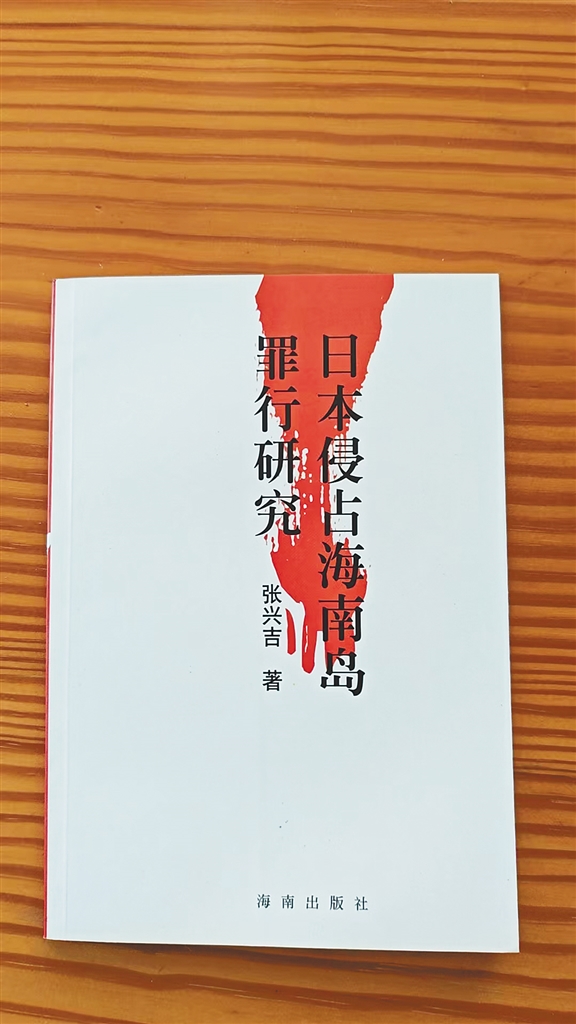
Core Viewpoint - The article highlights the dedication of Professor Zhang Xingji from Hainan Normal University in researching the historical crimes committed by the Japanese military during their occupation of Hainan Island, emphasizing the challenges faced due to a lack of available resources and the importance of rigorous verification of historical data [4][5][8]. Research Challenges and Methodology - Since the 1990s, Zhang has been engaged in the study of Japanese military actions in Hainan, particularly focusing on economic exploitation, facing significant challenges due to the scarcity of relevant materials [4]. - Initial research efforts were hindered by a lack of documentation, leading to a cycle of limited scholarly work in this area. Zhang's breakthrough came through a connection with a Japanese friend who provided access to valuable Japanese-language materials [4]. - Zhang emphasizes the necessity of cross-verifying data from different sources, including Japanese and Chinese documents, to ensure accuracy in historical accounts [5]. Field Research and Data Collection - Field research is deemed equally important as document collection. Zhang and his students conducted extensive data collection at provincial archives, including compiling victim lists from Japanese military actions [7]. - As time progresses, the challenge of interviewing survivors increases due to their advancing age and fading memories. Zhang employs strategic questioning to help them recall details from their past [7]. Significant Contributions - Zhang has contributed to major research projects, including a national study on population casualties and property losses during the Anti-Japanese War, which took nearly a decade to complete [7]. - His published works include "Research on the Crimes of Japanese Occupation in Hainan Island" and various translated historical documents, alongside numerous academic papers on Japanese policies during the occupation [8]. - Zhang aims to clarify historical truths through meticulous research, aspiring to elevate the study of Hainan's wartime history and provide lessons for future generations [8].
展“解放书单” 品阅读盛宴 10部佳作与读者相遇 共同编织上海书展多彩图景
Jie Fang Ri Bao· 2025-08-13 01:35
Core Viewpoint - The 34th "Liberation Book List" was officially launched at the Shanghai Book Fair, showcasing 10 newly published books that combine depth of thought and reading value, aiming to provide readers with a diverse selection of reading choices [1] Summary by Category Historical Works - "China's War of Resistance" presents a comprehensive view of the Chinese people's struggle during the Anti-Japanese War, helping readers draw strength from the spirit of resistance and enhance historical confidence [1] - "The Great Navigation of the Arabs: From Ancient to Early Medieval" highlights the overlooked maritime civilization, challenging Western-centric narratives and emphasizing the crucial role of Arabs in the development of maritime civilization [1] Future and Technology - Nick Bostrom's "Future of the Land: The Purpose and Meaning of Humanity in the Age of Superintelligence" raises philosophical questions about human existence and provides insights into future evolution [1] American Studies - Michael C. Desch's "The Irrelevance of American Social Science to National Security" analyzes the complex relationship between academia and politics, revealing the deeper logic behind the decline of American social science's influence [1] - Robert Zoellick's "On America: A History of American Diplomacy and Foreign Policy" offers a panoramic narrative of American diplomacy from the perspective of an experienced diplomat, providing valuable insights into changes in U.S. foreign policy [1] Economics - "Money and Government: A Challenge to Mainstream Economics" by Skidelsky challenges mainstream paradigms and reexamines the core roles of money and government in economic operations, offering insights into the current global economic predicament [1] Literature and Culture - A Lai's "Source of the Great River" poetically depicts the natural and cultural landscapes of river sources, representing a journey towards the roots of Chinese civilization [1] - "Virtual Society: Metaverse and Post-Human Experience" discusses the challenges of the digital age, emphasizing the need to leverage virtual tools to empower humanity [1] Contemporary Chinese Practices - "Milk Tea Going Global: The Global Expansion of New Chinese Tea Brands" documents stories of commercial innovation, highlighting the importance of embracing open innovation while maintaining core cultural values [1] - Huang Xiaofeng's "The Peddler's Map: Small Vendors and Big History" decodes the historical narrative from an art history perspective, emphasizing continuity in human experience rather than viewing history as a series of disjointed events [1]
许倬云:全世界人类曾经走过的路,都要算是我走过的路之一
Hu Xiu· 2025-08-04 23:36
Core Viewpoint - Xu Zhuoyun is regarded as one of the most influential historians in the Chinese-speaking world, with significant contributions to ancient history, economic history, cultural history, archaeology, and sociology [1][6][12]. Group 1: Academic Contributions - Xu Zhuoyun's major academic works include "The Ancient China Trilogy" and "The Chinese Culture Trilogy," which have become standard references for the study of ancient China, selling millions of copies worldwide [1][6]. - His ability to maintain intellectual sharpness and produce new works at over ninety years old is noted as a rare achievement in academia [6][12]. Group 2: Public Engagement - Xu Zhuoyun has gained public recognition through media appearances, such as on the program "Thirteen Invitations," where he shared his historical insights and personal experiences [3][13]. - He emphasizes the importance of education and enlightenment, advocating for the dissemination of knowledge through media to reach a broader audience [5][11]. Group 3: Influence on Youth - His writings, such as "The Eternal River" and "Xu Zhuoyun Talks About America," have significantly impacted young readers by presenting grand historical narratives in an accessible manner [8][15]. - Xu Zhuoyun's works are characterized by their blend of scholarly rigor and engaging storytelling, appealing to both academic and general audiences [11][15]. Group 4: Cultural Perspectives - He expresses a deep concern for the future of China and the world, drawing lessons from history to address contemporary issues [9][10]. - Xu Zhuoyun critiques modern civilization's challenges, particularly the disconnection between people and nature, advocating for the unique qualities of Chinese culture to offer solutions [17].
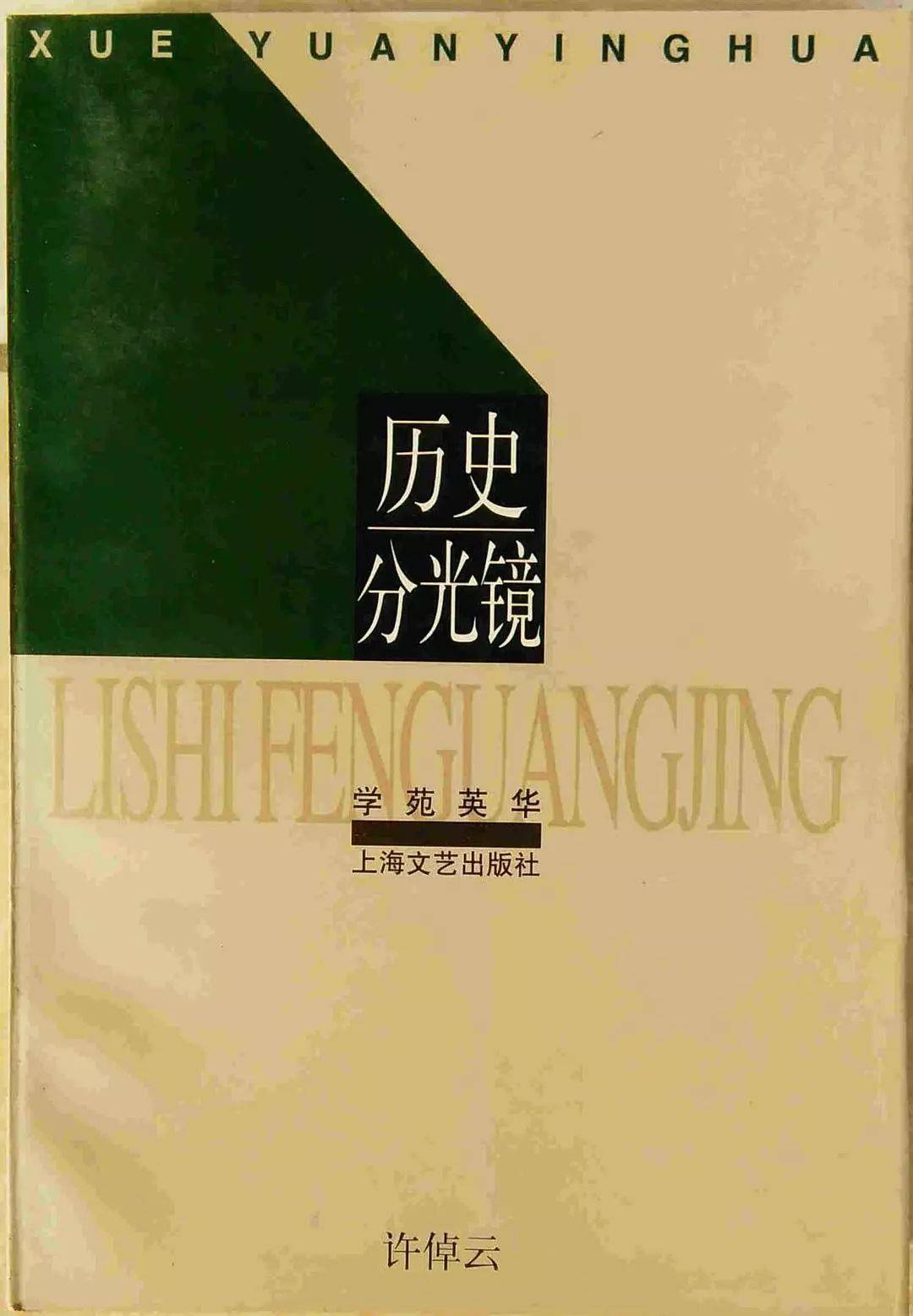
许倬云:历史的分光镜
Hu Xiu· 2025-08-04 10:15
Group 1 - The article discusses the author's academic journey and contributions to the field of history, emphasizing the importance of interdisciplinary approaches and the integration of various cultural perspectives [5][12][23] - The author highlights the significance of understanding historical changes through a combination of social, political, and economic factors, rather than attributing them to a single cause [12][30] - The work on ancient Chinese agriculture illustrates the interaction between population pressure, farming techniques, and market networks, showcasing the characteristics of smallholder economies [14][15][18] Group 2 - The author reflects on the evolution of Chinese civilization and its cultural interactions, arguing against a rigid application of European historical frameworks to Chinese history [29][30] - The discussion includes the impact of various dynasties on the development of societal structures and the concept of "Tianxia" (天下), contrasting it with the modern notion of nation-states [31][32] - The article concludes with a personal reflection on the author's academic life and the ongoing pursuit of knowledge, indicating a commitment to further research in the field [32][33]