厨房安全

Search documents
厨房里这些安全隐患请自查→
Xin Lang Cai Jing· 2026-02-05 09:57
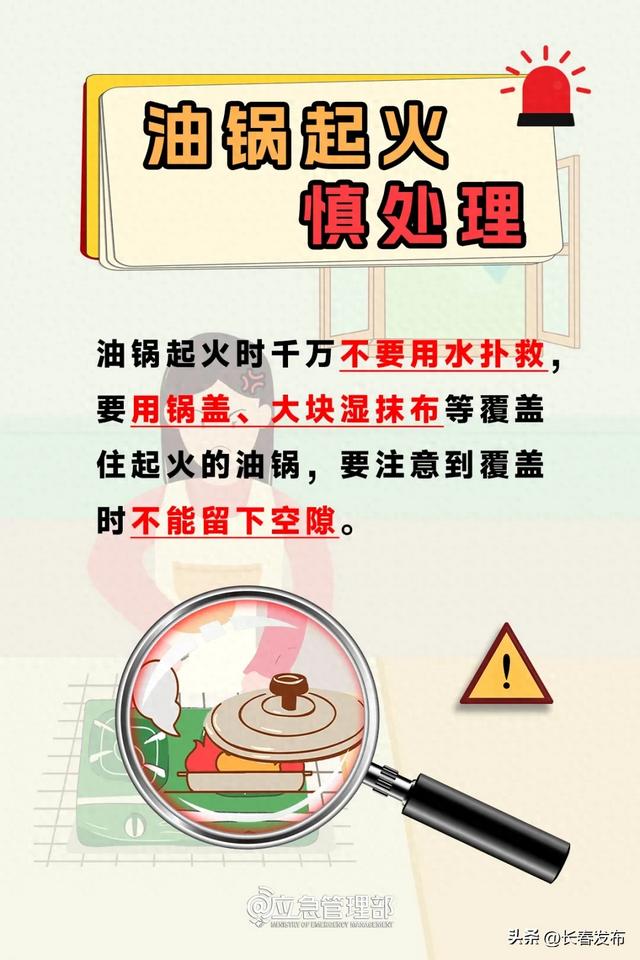
Group 1 - The kitchen is the area in the home where open flames are most frequently used, highlighting the importance of fire safety [1] - It is crucial to keep an eye on the kitchen while cooking to prevent accidents such as gas leaks or fire [4] - Regular checks of electrical wiring in the kitchen are necessary to avoid hazards like exposed wires or moisture [6] Group 2 - In case of a fire in an oil pan, do not use water to extinguish it; instead, cover it with a pot lid or a damp cloth [2] - Avoid using multiple high-power electrical appliances simultaneously to prevent overload [5] - Regular cleaning of kitchen appliances like range hoods and exhaust fans is essential to prevent the accumulation of flammable grease [11]

冬季做饭这个习惯,或引发一氧化碳中毒!这4点尤其要注意
Xin Lang Cai Jing· 2026-01-24 04:13
Core Viewpoint - The article highlights the dangers of cooking in a closed kitchen with the exhaust fan on, which can lead to a hazardous environment due to the accumulation of carbon monoxide and depletion of oxygen levels [1][3]. Group 1: Risks of Cooking in a Closed Environment - Closing windows and turning on the exhaust fan can create a "negative pressure" environment in the kitchen, leading to harmful gases being drawn back into the room [3]. - An experiment showed that carbon monoxide levels rose from 0 ppm to 194 ppm within minutes, while oxygen levels dropped from 20.6% to below 17.1% [3]. Group 2: Safety Recommendations - It is essential to keep windows slightly open (5-10 cm) while cooking to ensure continuous airflow and prevent negative pressure [5]. - Regular inspections of gas appliances and ventilation systems are recommended to ensure safety [6]. - Installing carbon monoxide detectors in the kitchen and adjacent living areas is advised for 24-hour monitoring [6]. - Avoid adding non-standard attachments to gas stoves, as they can obstruct airflow and increase carbon monoxide emissions [7].

足疗店的一通电话,让大妈家“养”出两枚“仙丹”,消防提示
Xin Lang Cai Jing· 2025-12-21 10:24
Core Points - A fire incident occurred in a residential building in Jinhu County, Jiangsu, where a resident's kitchen was filled with smoke due to unattended cooking [1][3] - The homeowner, an elderly woman, left the stove on while she answered a phone call from a foot massage shop, leading to the situation [4] - Firefighters managed to control the situation without severe consequences, highlighting the common risks associated with leaving cooking unattended [4][10] Incident Details - The fire was initially suspected to be caused by burnt food in the kitchen, with a strong burnt smell detected upon firefighters' arrival [3] - The homeowner returned to find her kitchen engulfed in smoke, with the gas stove still on and a pot of eggs completely burnt [4] - Similar incidents were noted, including a case where a woman left her kitchen to water plants, resulting in a fire from an unattended oil pot [6] Safety Recommendations - It is emphasized that individuals should never leave cooking unattended, especially during high-temperature cooking methods [14] - Recommendations include turning off gas valves or power sources before leaving the kitchen to prevent potential fire hazards [10][14] - Regular cleaning of kitchen appliances, such as range hoods, is advised to prevent fire risks from accumulated grease [12]
注意!家家厨房都有的这种碗,有些东西不能盛
Yang Shi Xin Wen· 2025-09-30 22:27
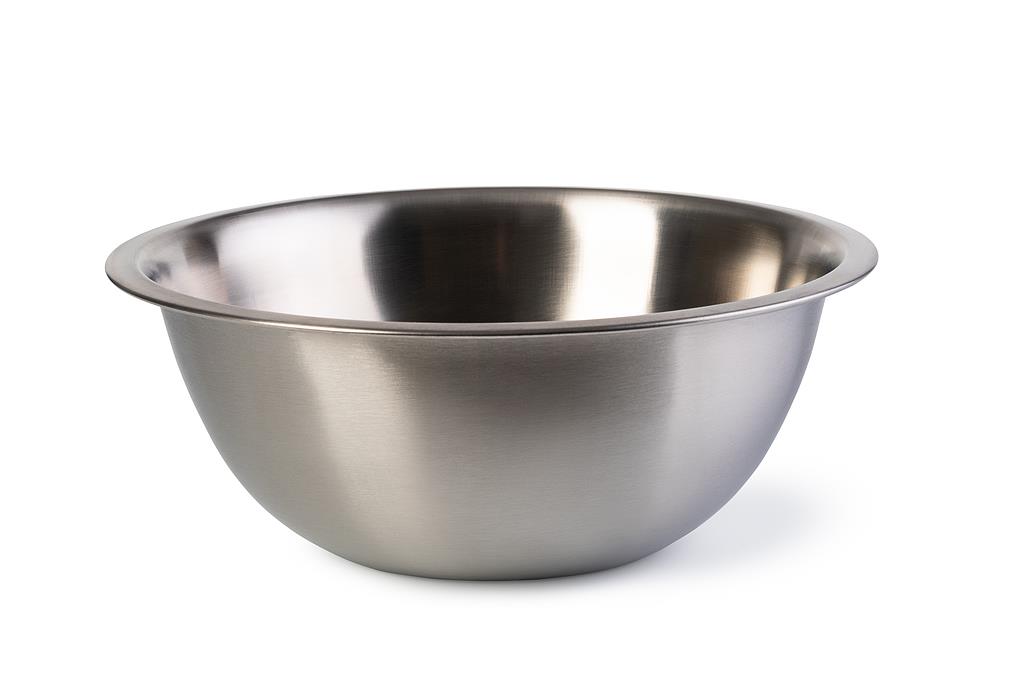
Core Viewpoint - The article highlights the risks associated with using double-layer stainless steel bowls for holding high-temperature oil, emphasizing that such practices can lead to severe burns due to the bowls' structural failure when exposed to extreme heat [1][3]. Group 1: Risks of Using Double-Layer Stainless Steel Bowls - A woman in Hubei suffered severe burns when a double-layer stainless steel bowl exploded while holding hot oil, illustrating the dangers of using these bowls for high-temperature applications [1]. - The internal gas in the double-layer structure expands when exposed to high temperatures, which can exceed the bowl's limits and cause it to shatter, leading to potential injuries [1][3]. - Even if the bowl does not explode immediately, exposure to high temperatures can cause irreversible damage, leading to deformation and loss of insulation properties, which may result in further accidents [3]. Group 2: Other Kitchenware Risks - Other types of bowls, such as ordinary glass and thin ceramic bowls, are also at risk of breaking when in contact with hot oil, which can lead to similar accidents [5][7]. - A blogger experienced severe burns when a glass bowl shattered while pouring hot oil, highlighting the need for caution with various kitchenware [9]. Group 3: Safety Recommendations - Double-layer stainless steel bowls should only be used for room temperature or cool foods, and not for hot oil; alternatives like high-temperature resistant enamel bowls are recommended for such tasks [10]. - In case of burns, immediate first aid steps include rinsing the affected area with cool water for 15-30 minutes, avoiding direct pressure on the burn, and seeking medical attention for severe cases [10][11][12][13].