一氧化碳中毒

Search documents
春节亲朋相聚围炉煮茶,注意这些安全隐患
Yang Shi Xin Wen· 2026-02-20 01:36
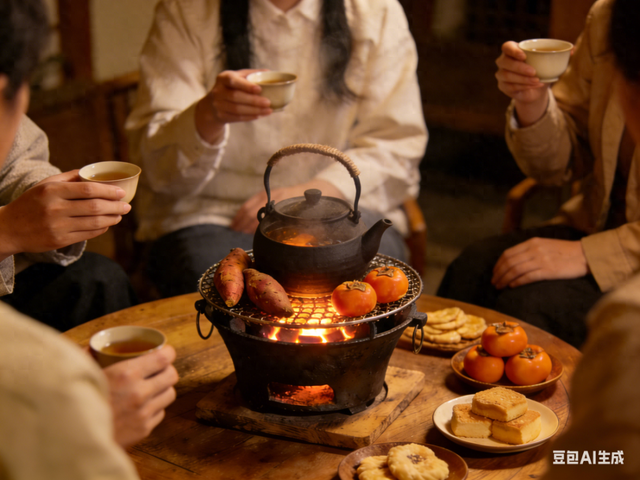
Group 1 - The article emphasizes the popularity of social gatherings around a stove for tea and barbecue during the Spring Festival, while also highlighting the associated safety hazards [1] - It warns about the risk of carbon monoxide poisoning from charcoal burning, detailing symptoms of mild, moderate, and severe poisoning [2][4] - The article provides guidelines for self-rescue and first aid for carbon monoxide poisoning, including moving to a ventilated area and calling emergency services [4][5] Group 2 - Prevention measures against carbon monoxide poisoning include using electric or alcohol stoves instead of charcoal in enclosed spaces and ensuring proper ventilation [6] - The article discusses the risk of burns from high temperatures during cooking, emphasizing the importance of immediate cooling with running water and avoiding inappropriate treatments [8][9][11] - Fire safety tips include keeping flammable materials away from the heat source, ensuring constant supervision, and confirming that charcoal is completely extinguished before leaving the area [12][13][16]

除夕夜连发两起中毒事故9人倒下!围炉欢聚,警惕“沉默杀手”
Xin Lang Cai Jing· 2026-02-19 06:34
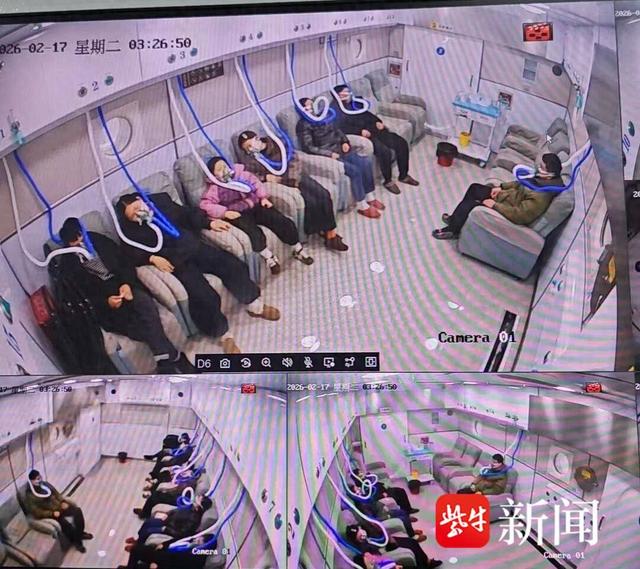
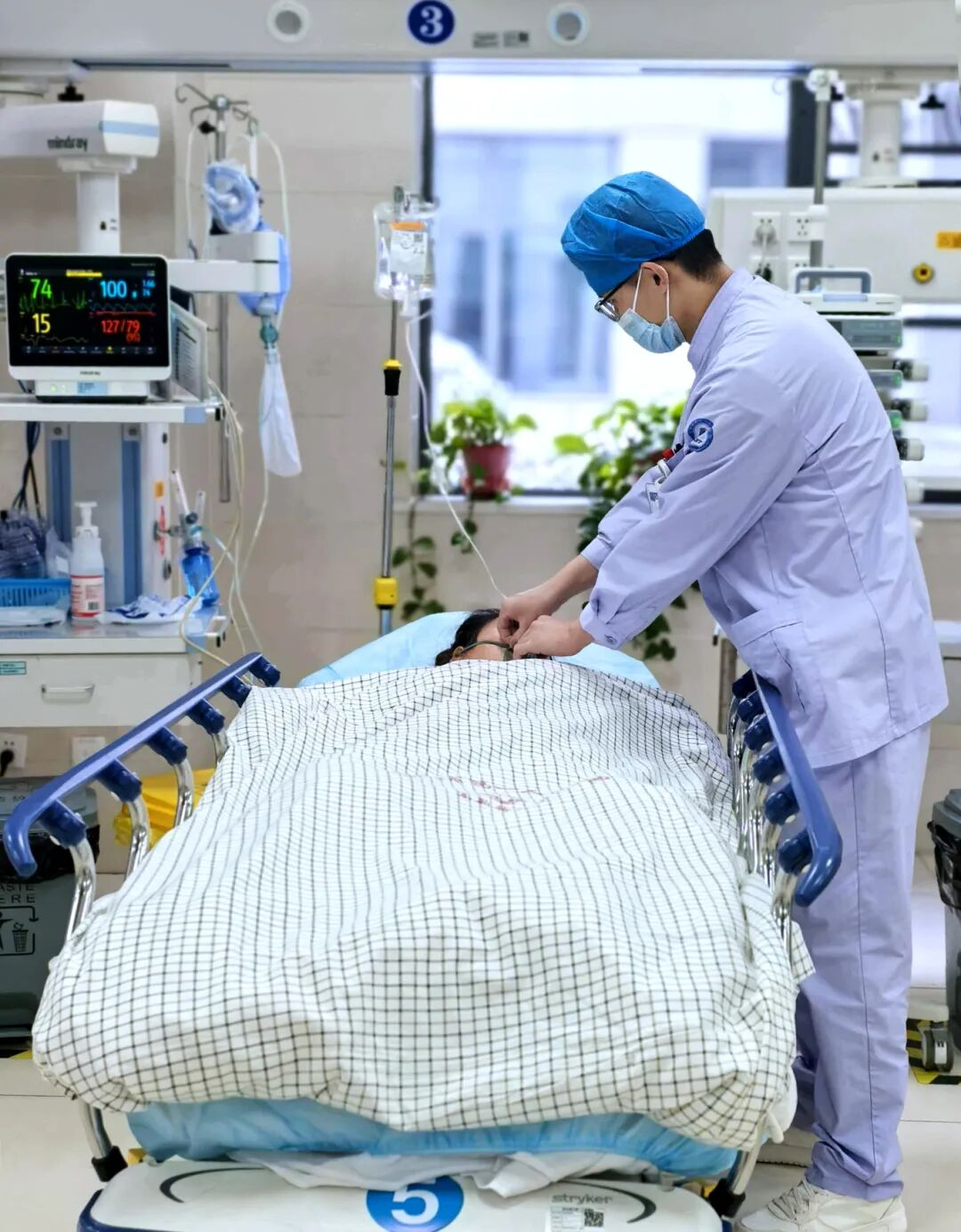
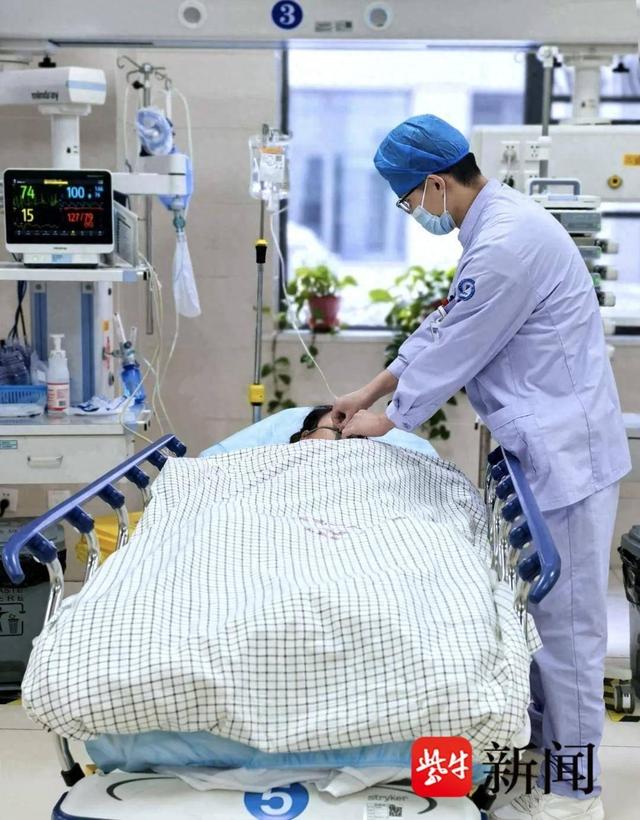
Core Viewpoint - The incidents of carbon monoxide poisoning during the Spring Festival in Gaoyou City serve as a critical reminder for public safety, highlighting the dangers associated with indoor heating methods such as charcoal burning without proper ventilation [1][3]. Group 1: Incident Details - On the evening of February 16, Gaoyou People's Hospital treated two batches of carbon monoxide poisoning patients, with a total of 9 individuals requiring emergency medical attention [3]. - The first batch involved a family of three who experienced symptoms due to indoor charcoal heating without ventilation, leading to severe conditions for the mother and daughter [3]. - The second batch consisted of a family of seven who suffered from symptoms after using charcoal for indoor barbecuing, resulting in one elder fainting and others experiencing nausea and dizziness [3]. Group 2: Medical Response - Medical staff, including Dr. Li Xiaojing and nurse Zheng Yuxia, promptly initiated emergency hyperbaric oxygen therapy, successfully stabilizing all patients by the early hours of February 17 [3]. - Two patients with severe symptoms were transferred to the neurology department for further treatment, while the remaining patients were discharged safely [3]. Group 3: Safety Recommendations - Medical professionals emphasize the importance of ventilation when using charcoal, coal stoves, or gas appliances indoors, advising against sealing rooms to retain heat [5]. - It is crucial to ensure that charcoal fires are completely extinguished before sleeping and to be aware of the symptoms of carbon monoxide poisoning, such as dizziness and nausea [5]. - Continuous treatment with hyperbaric oxygen is recommended to prevent long-term brain damage, as carbon monoxide can cause persistent neurological issues [5].
近期高发!一氧化碳中毒,这些误区千万别踩
Xin Lang Cai Jing· 2026-02-11 12:33
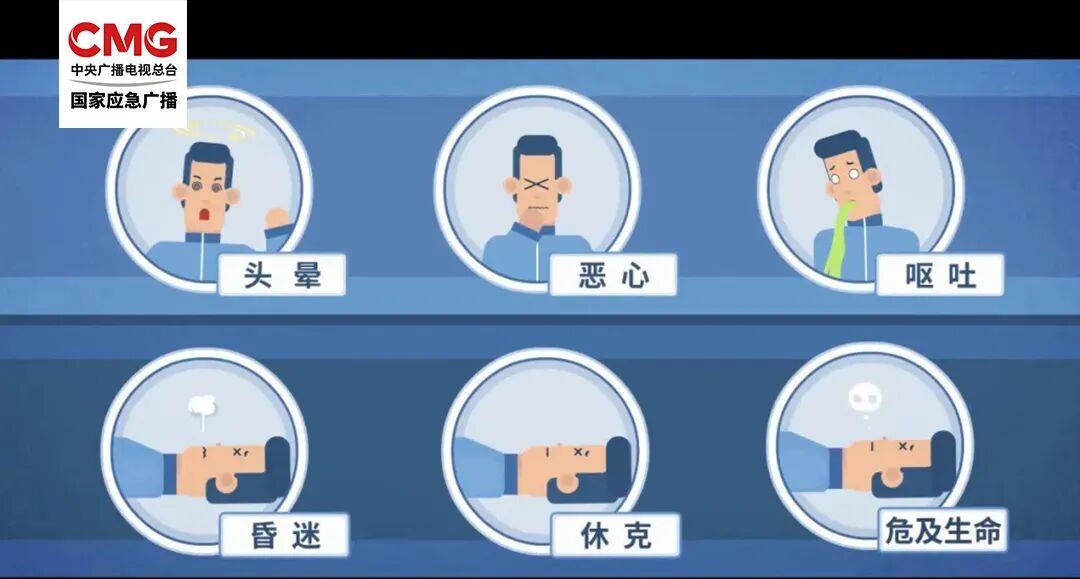
Core Viewpoint - The article highlights the dangers of carbon monoxide poisoning, particularly in indoor settings where charcoal is used for heating or cooking, emphasizing the need for awareness and safety measures to prevent such incidents [1][3]. Group 1: Incident Overview - A family in Taizhou, Jiangsu, experienced carbon monoxide poisoning while using charcoal for tea preparation indoors during cold weather, leading to a critical situation [1]. - The incident occurred after the family believed the charcoal had extinguished, but it continued to burn and release carbon monoxide, resulting in symptoms of poisoning [1]. Group 2: Carbon Monoxide Poisoning Mechanism - Carbon monoxide is colorless, odorless, and non-irritating, making it difficult to detect, and excessive inhalation can lead to tissue hypoxia and poisoning [3][4]. - Carbon monoxide binds to hemoglobin in the blood with a higher affinity than oxygen, preventing oxygen from reaching tissues and causing suffocation [4]. Group 3: Symptoms of Carbon Monoxide Poisoning - Mild poisoning symptoms include headache, dizziness, insomnia, blurred vision, tinnitus, nausea, vomiting, fatigue, tachycardia, and brief fainting [5]. - Moderate poisoning can lead to cherry-red discoloration of lips and skin, sweating, fluctuating blood pressure, rapid heart rate, agitation, and potential loss of consciousness [7]. - Severe poisoning results in rapid coma, increased muscle tone, convulsions, pallor or cyanosis, decreased blood pressure, dilated pupils, and can lead to death due to respiratory failure [7]. Group 4: Emergency Response - Immediate removal of the patient from the toxic environment to fresh air is crucial [9]. - Closing off the source of carbon monoxide, ensuring ventilation, and seeking medical assistance are essential steps [10]. - It is important to keep the patient warm and clear any vomit or secretions from the mouth [11]. - In cases of cardiac or respiratory arrest, cardiopulmonary resuscitation (CPR) should be performed [12]. Group 5: Common Misconceptions - Misconception 1: Only coal burning causes poisoning; in fact, any carbon-containing fuel can produce carbon monoxide when burned incompletely [13]. - Misconception 2: Lack of smoke or odor means no risk; carbon monoxide is undetectable without proper equipment [14]. - Misconception 3: Cracking a window is sufficient; carbon monoxide can accumulate in low-lying areas, necessitating proper ventilation [15]. - Misconception 4: Wet coal or water near the fire prevents poisoning; this can actually produce carbon monoxide through chemical reactions [16]. Group 6: Prevention Measures - Proper installation of chimneys for coal stoves and ensuring they are well-ventilated is essential [19]. - Avoid using coal or charcoal for indoor cooking, especially during cold weather [19]. - Gas water heaters should not be installed in bathrooms, and sleeping in a closed vehicle with the engine running is dangerous [19]. - Homes using gas or coal should ideally have carbon monoxide detectors installed [19].
一个潜伏在我们身边的“隐形杀手”,假期聚会、居家生活都要小心!
Xin Lang Cai Jing· 2026-02-08 07:09
Core Viewpoint - The article emphasizes the hidden dangers of carbon monoxide (CO) poisoning during winter activities and gatherings, highlighting common scenarios where CO exposure can occur. Group 1: Common Scenarios of CO Exposure - Using coal stoves, charcoal, or other heating methods in poorly ventilated spaces can lead to CO buildup [1] - Cooking or dining with charcoal or gas stoves in enclosed areas, such as restaurants or homes, poses a risk [1] - Engaging in activities like tea brewing in poorly ventilated environments can increase CO exposure [1] - Camping in tents with charcoal or gas stoves for heating or cooking can be dangerous [2] - Using gas heating systems improperly at home can result in gas leaks and CO accumulation [3] - Practicing moxibustion in poorly ventilated wellness centers can lead to CO exposure [4] - Working in greenhouses or hotbeds with heating equipment for extended periods can increase CO risk [5] - Sleeping in a car with the engine running in enclosed spaces, like underground garages, is particularly hazardous [5] Group 2: Symptoms of CO Poisoning - Mild poisoning symptoms include headache, dizziness, tinnitus, visual disturbances, nausea, vomiting, and weakness, which can resolve quickly upon leaving the contaminated area [6] - Moderate poisoning may lead to flushed skin, rapid pulse, difficulty breathing, confusion, fatigue, hallucinations, and fainting; timely intervention can lead to recovery [6] - Severe poisoning can result in deep coma, loss of reflexes, incontinence, cold extremities, pale or cyanotic skin, elevated temperature, decreased blood pressure, and respiratory failure, with a high mortality rate [6] Group 3: Self-Rescue and First Aid - The first step in case of CO poisoning is to cut off the source of CO and ventilate the area by opening windows and turning off gas appliances [7] - Quickly move the affected person to a fresh air environment [8] - Ensure the airway is clear and keep the person warm to prevent complications [9] - Encourage the patient to rest and avoid exertion; if possible, provide supplemental oxygen [10] - For moderate to severe cases, call emergency services and transport the patient to a facility with hyperbaric oxygen therapy [10] - For critical patients with stopped breathing or heartbeat, perform CPR and seek immediate medical assistance [11] Group 4: Prevention of CO Poisoning - Ensure proper ventilation when using coal stoves or similar devices indoors [12] - Regularly maintain and check heating equipment to ensure proper functioning [12] - Use gas appliances in well-ventilated areas and check for leaks after use [12] - Avoid using small generators indoors and ensure vehicles are not left running in enclosed spaces [13] - Install and regularly check CO detectors in homes to ensure they are operational [14]
可能藏在车里、浴室里、厨房里的“隐形杀手”,一定要当心!丨科普时间
Xin Lang Cai Jing· 2026-02-07 12:34
Core Viewpoint - The article highlights the dangers of carbon monoxide (CO) poisoning, particularly during the winter months when heating devices are in use, and emphasizes the importance of awareness and preventive measures against CO exposure. Group 1: Sources of Carbon Monoxide - Carbon monoxide is a colorless, odorless gas primarily produced from the incomplete combustion of fossil fuels [2] - Common sources of CO in daily life include gas water heaters, gas stoves, coal stoves, and car exhaust, especially in poorly ventilated areas [2] Group 2: Symptoms of Carbon Monoxide Poisoning - Mild poisoning symptoms include headache, dizziness, tinnitus, palpitations, nausea, vomiting, and weakness [4] - Moderate poisoning can lead to more severe symptoms such as flushed skin, sweating, unsteady walking, confusion, and fatigue [5] - Severe poisoning may result in coma, dilated pupils, incontinence, and serious complications like brain edema and arrhythmias, posing a life-threatening risk [5][6] Group 3: Prevention Measures - Key preventive strategies include ensuring proper ventilation and conducting safety checks on gas appliances [7] - Recommendations for safe use of gas appliances include avoiding the use of direct vent gas water heaters, ensuring proper installation and maintenance of gas stoves, and conducting regular safety inspections of gas pipelines [8][9] - For coal and charcoal use, it is advised not to use these in enclosed spaces and to ensure proper ventilation [10][11] - Safety measures for vehicle use include avoiding sleeping in running vehicles and minimizing time spent in poorly ventilated parking areas [12][13] Group 4: Emergency Response - Immediate actions in case of suspected CO poisoning include ventilating the area, relocating the patient to fresh air, and ensuring their airway is clear [14][15] - It is crucial to call emergency services and provide clear information about the situation, even if the patient appears stable [15] - Avoid using open flames or administering any substances to the patient without professional guidance [16]
深夜紧急送医!多人因它接连“倒下”
Xin Lang Cai Jing· 2026-02-01 16:13
Core Viewpoint - The article highlights the dangers of carbon monoxide poisoning, particularly among the elderly, due to improper heating methods during cold weather, emphasizing recent incidents and the need for awareness and preventive measures [1][3]. Group 1: Recent Incidents - A recent incident in Lianyungang involved a woman and three friends who experienced symptoms of carbon monoxide poisoning after using charcoal for heating while dining indoors with closed windows, leading to hospitalization for all four individuals [1]. - An elderly couple in Haizhou District was found unconscious after using a smokeless coal stove for heating overnight in a closed room, with their blood carbon monoxide levels reaching 40%, indicating severe poisoning [3]. Group 2: Risks of Improper Heating - Using charcoal for heating in enclosed spaces not only risks carbon monoxide poisoning but can also lead to explosions and fires, as demonstrated by tests conducted by fire rescue departments [4]. Group 3: Symptoms of Carbon Monoxide Poisoning - Symptoms of mild poisoning include headaches, dizziness, insomnia, and nausea, while moderate poisoning can lead to cherry-red skin, excessive sweating, and confusion. Severe poisoning can result in coma and high mortality rates, with potential long-term effects for survivors [13]. Group 4: Emergency Response - Immediate actions in case of poisoning include opening windows for ventilation, turning off gas appliances, and moving the patient to fresh air. It is crucial to ensure the patient's airway is clear and to seek emergency medical assistance promptly [15][17]. Group 5: Prevention Measures - To prevent carbon monoxide poisoning, it is advised to install proper ventilation for coal stoves, regularly check and maintain heating equipment, and ensure that living spaces are adequately ventilated [22][30].
仅一夜收治8例,都是烧炭取暖“惹的祸”
Xin Lang Cai Jing· 2026-01-27 20:00
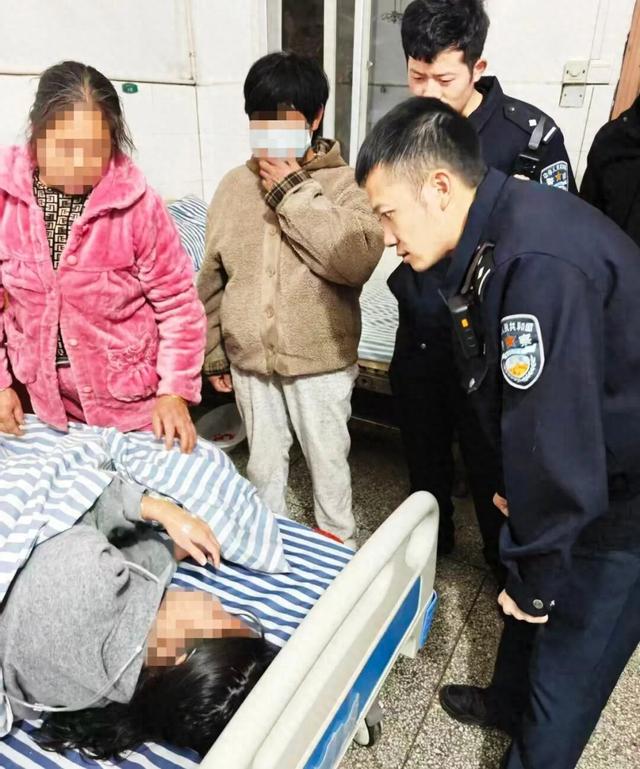
Core Viewpoint - The article highlights the rising cases of carbon monoxide poisoning in Changsha, particularly during the cold season, emphasizing the need for public awareness regarding safety measures while using heating methods like charcoal stoves [1]. Group 1: Incident Overview - Changsha Third Hospital treated 8 patients for carbon monoxide poisoning in a single night, all of whom had been using charcoal stoves for heating in closed environments [1]. - The peak period for carbon monoxide poisoning is noted to be from November to March each year, coinciding with colder weather [1]. Group 2: Symptoms and Severity - Symptoms of carbon monoxide poisoning escalate with the concentration of inhaled gas and duration of exposure, ranging from headaches and dizziness in mild cases to severe conditions like deep coma and potential death in severe cases [2]. - Mild poisoning symptoms include headache, dizziness, and nausea, while moderate cases may present with facial flushing and increased heart rate, leading to severe complications if untreated [2]. Group 3: Emergency Response and Treatment - Immediate action is crucial when carbon monoxide poisoning is suspected; patients should be removed from the toxic environment and emergency services contacted [3]. - Even if patients appear stable, medical evaluation is necessary due to the risk of delayed neurological effects, which can significantly impair quality of life [3]. - Standard oxygen therapy can aid recovery, but hyperbaric oxygen treatment is recommended for more effective detoxification and to reduce the risk of delayed neurological damage [3].
6人聚餐吃火锅,5人接连“倒下”……这些安全知识要牢记
Xin Lang Cai Jing· 2026-01-24 12:26
Core Viewpoint - The article highlights the dangers of carbon monoxide poisoning during winter gatherings, emphasizing the need for awareness and safety measures to prevent such incidents. Group 1: Incident Reports - On November 9, 2025, in Bao'an District, six friends experienced symptoms of carbon monoxide poisoning while having a hot pot dinner in a closed room, leading to hospitalization for treatment [1] - A girl in Ruijin City lost consciousness due to carbon monoxide poisoning while taking a shower but was rescued in time and is now out of danger [2] - In Hangzhou, four individuals suffered from acute carbon monoxide poisoning while roasting beans in a confined space, but all have since recovered after treatment [4] Group 2: Carbon Monoxide Awareness - Carbon monoxide, known as "coal gas," is a colorless, odorless, and non-irritating asphyxiant gas, often referred to as an "invisible killer" due to the difficulty in detecting it until symptoms appear [6] - Symptoms of carbon monoxide poisoning include dizziness, headache, and nausea, with severe cases leading to unconsciousness and potentially death [9] Group 3: Prevention and Safety Measures - Common locations for carbon monoxide poisoning include homes, especially due to improper use of gas appliances, and confined spaces like garages [10] - To prevent carbon monoxide poisoning, it is crucial to ensure proper ventilation when using gas appliances, heaters, or during gatherings [12][13] - In case of suspected carbon monoxide poisoning, immediate actions include moving the patient to fresh air, calling emergency services, and ensuring the environment is safe before entering [12][14][15]
太凶险!连云港这家医院一周连收48例
Xin Lang Cai Jing· 2026-01-24 05:12
Core Viewpoint - A sudden drop in temperature in Lianyungang City has led to an increase in carbon monoxide poisoning cases due to improper heating methods during a cold wave [1][6]. Group 1: Incident Overview - Lianyungang experienced a temperature drop of 12°C, reaching a low of -9°C, prompting residents to use various heating devices [1]. - In the past week, Lianyungang First People's Hospital treated 48 cases of carbon monoxide poisoning, all of whom have since stabilized after hyperbaric oxygen therapy [1][6]. Group 2: Specific Cases - A group of four individuals experienced symptoms of dizziness and nausea after using a charcoal hot pot in a closed environment, leading to their hospitalization for acute carbon monoxide poisoning [4]. - An elderly couple was found unconscious after using a smokeless coal stove for heating, with a blood carbon monoxide level of 40%, indicating severe poisoning [5]. Group 3: Medical Response and Advice - Lianyungang First People's Hospital is the only designated hyperbaric oxygen treatment center in the area, playing a crucial role in treating carbon monoxide poisoning cases [6]. - Symptoms of carbon monoxide poisoning range from mild (dizziness, fatigue) to severe (coma, respiratory failure), with a strong emphasis on the importance of ventilation and safe heating practices [7].

冬季做饭这个习惯,或引发一氧化碳中毒!这4点尤其要注意
Xin Lang Cai Jing· 2026-01-24 04:13
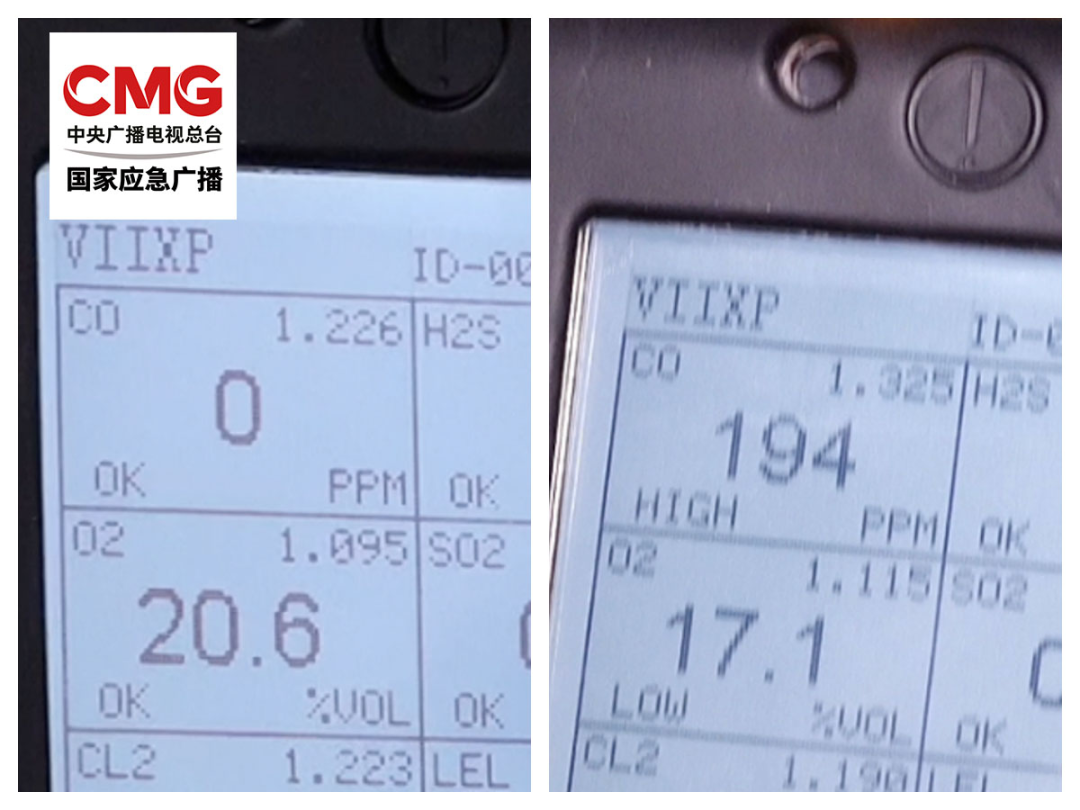
Core Viewpoint - The article highlights the dangers of cooking in a closed kitchen with the exhaust fan on, which can lead to a hazardous environment due to the accumulation of carbon monoxide and depletion of oxygen levels [1][3]. Group 1: Risks of Cooking in a Closed Environment - Closing windows and turning on the exhaust fan can create a "negative pressure" environment in the kitchen, leading to harmful gases being drawn back into the room [3]. - An experiment showed that carbon monoxide levels rose from 0 ppm to 194 ppm within minutes, while oxygen levels dropped from 20.6% to below 17.1% [3]. Group 2: Safety Recommendations - It is essential to keep windows slightly open (5-10 cm) while cooking to ensure continuous airflow and prevent negative pressure [5]. - Regular inspections of gas appliances and ventilation systems are recommended to ensure safety [6]. - Installing carbon monoxide detectors in the kitchen and adjacent living areas is advised for 24-hour monitoring [6]. - Avoid adding non-standard attachments to gas stoves, as they can obstruct airflow and increase carbon monoxide emissions [7].