参与式消费

Search documents
自制“民间周边”,粉丝“为爱发电”面临侵权风险
Zhong Guo Qing Nian Bao· 2026-01-06 02:48
Core Viewpoint - The article highlights the rise of a vibrant fan-driven merchandise market, where fans create and share custom items related to their favorite idols, raising questions about copyright and intellectual property rights in this burgeoning sector [1][2][7]. Group 1: Fan Activities and Community Engagement - Fans are organizing events and creating custom merchandise, such as calendars and concert materials, fostering a sense of community and shared passion among "同担" (fans of the same idol) [1][3]. - The process of creating and exchanging fan-made items has become a collaborative effort, with fans actively participating in design and production, often leading to high-quality, unique products [2][4]. - The phenomenon of "开团" (group buying) allows fans to collectively purchase items, often resulting in significant sales, as seen with the 5,000 calendars sold by a fan organizer [3][4]. Group 2: Market Dynamics and Consumer Behavior - The fan merchandise market is characterized by rapid changes in trends and preferences, prompting sellers to adapt quickly to consumer demands [6]. - Non-fans are also drawn to fan-created products, indicating a broader appeal and potential market for these items beyond the immediate fanbase [5][6]. - The competitive landscape includes both fan-led initiatives and commercial enterprises, with businesses recognizing the potential in catering to fan communities [6]. Group 3: Legal and Ethical Considerations - The rise of fan-created merchandise raises legal questions regarding copyright infringement, as many creations utilize celebrity IP without official authorization [7][8]. - Legal experts indicate that even non-profit fan activities could infringe on intellectual property rights, highlighting the need for clearer regulations in this area [7][8]. - The tension between fan creativity and legal boundaries presents a challenge for the industry, as fans seek to express their passion while navigating potential legal repercussions [8].
从买成品到造专属
Xin Lang Cai Jing· 2025-12-21 21:43
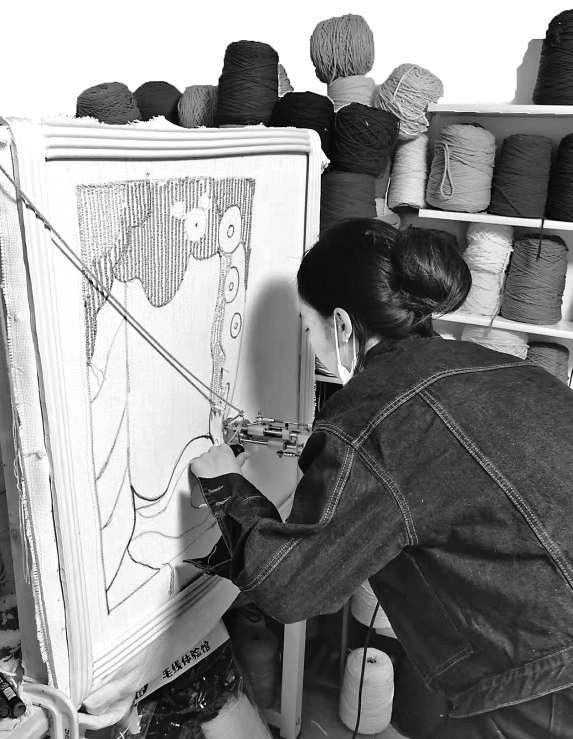
Core Insights - The article discusses the shift in consumer behavior from material ownership to emotional resonance, highlighting a transformation in consumption patterns driven by rising disposable income and a growing preference for personalized experiences [4][5]. Group 1: Economic Trends - In 2024, the national per capita disposable income in China is projected to reach 41,314 yuan, with an average annual real growth rate of 5.5% from 2021 to 2024 after adjusting for price factors [4]. - The average annual growth rate of residents' service consumption expenditure is 9.5%, outpacing the growth of goods consumption expenditure by 3.8 percentage points [4]. Group 2: Consumer Behavior - Consumers are increasingly seeking emotional value and self-expression through participation in DIY activities rather than traditional purchasing methods [5][6]. - The average transaction price at DIY workshops ranges from 800 to 1,500 yuan, with a 40% repurchase rate, indicating strong customer loyalty [6]. Group 3: Demographics and Participation - DIY workshops are attracting a diverse demographic, including younger consumers (90s and 00s) who prefer unique experiences over luxury goods, as well as older adults seeking social engagement and creative outlets [6][7]. - A survey indicated that 82% of participants consider professional guidance a key factor in choosing DIY workshops, while 95% believe that the quality of materials directly influences their selection [9]. Group 4: Technological Integration - Many DIY workshops are incorporating advanced technologies such as VR and AI to enhance the consumer experience, allowing for personalized design previews and recommendations [8]. - The integration of technology not only makes the creative process more accessible but also adds an element of fun and convenience to participation [8]. Group 5: Community Engagement - Community-based DIY workshops are gaining popularity, providing convenient access to creative activities and fostering a sense of belonging among participants [10]. - Unique settings such as tourist attractions and cultural sites are being utilized for DIY experiences, enriching consumer engagement through cultural interaction [10]. Group 6: Value of Experience - The article emphasizes that the process of creating is often valued more than the final product, with 78% of surveyed consumers believing that the experience of participation holds greater significance [10]. - Consumers are willing to pay a premium of 20% to 50% for enhanced experiences, reflecting a shift towards valuing emotional and experiential aspects of consumption [10].