双源供给

Search documents
“双源供给”竞争 大豆精深加工促产业链升级
Sou Hu Cai Jing· 2025-11-25 15:16
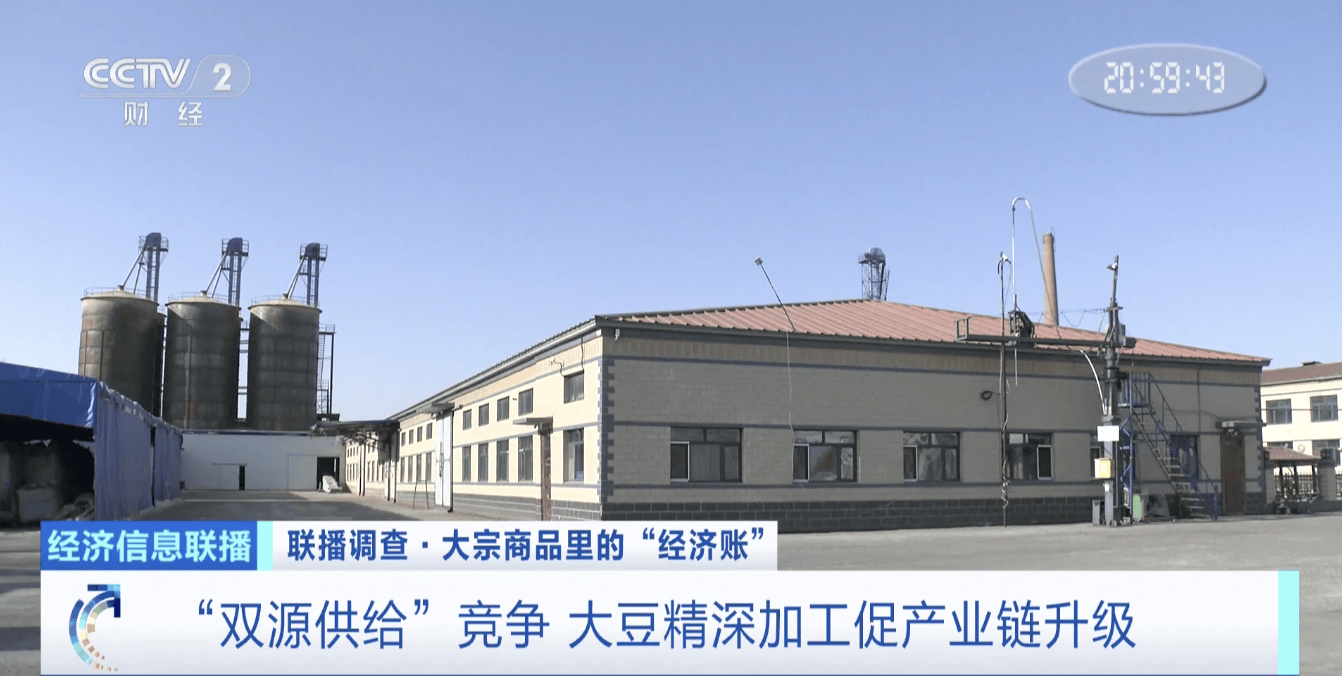
Core Insights - The domestic soybean industry is experiencing differentiated competition due to the dual supply of domestic and imported soybeans, alongside an upgrade in the value extraction of domestic soybeans driven by consumption upgrades [1][3]. Group 1: Market Dynamics - A soybean oil pressing factory in Heilongjiang has chosen to halt production for maintenance, as the average price of imported soybeans is around 3900 yuan per ton, which is 100-200 yuan lower than that of domestic high-oil soybeans, and the oil yield from imported soybeans is 2-3 percentage points higher [3]. - In contrast, a deep processing soybean enterprise in Yucheng, Shandong, is experiencing a production peak, with products including soybean protein isolate, plant-based meat, and functional beverages, targeting markets that imported soybeans cannot easily replace [5]. Group 2: Procurement and Production Trends - The Yucheng soybean processing company has procured over 50,000 tons of new season soybeans, with over 30% being high-protein soybeans, marking a year-on-year increase of approximately 15% [7]. - A new soybean protein deep processing plant is under construction in Heilongjiang, expected to be operational by the end of the year, with an annual processing capacity of 150,000 tons of domestic soybeans [9]. Group 3: Product Development and Market Potential - The focus is on creating high-end differentiated soybean protein products, which can reach prices of 25,000 to 30,000 yuan per ton in applications such as health foods, special medical foods, infant foods, and elderly foods [11]. - Customs data indicates that from January to October 2025, China imported 95.682 million tons of soybeans, a year-on-year increase of 6.4%, suggesting a steady rise in overall demand for soybeans as the industry chain continues to extend [13]. Group 4: Future Outlook - The domestic soybean industry is expected to avoid homogenized competition with imported soybeans by leveraging the unique advantages of high-protein domestic soybeans, while also extending the industry chain [17].