
双15%所得税优惠政策

Search documents
海南自贸港封关,如何影响你我他
Xin Lang Cai Jing· 2025-12-23 20:12
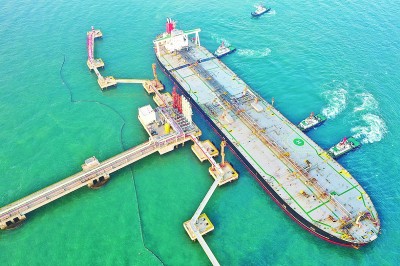
Core Insights - The Hainan Free Trade Port officially commenced its full island closure operation on December 18, marking a significant step towards becoming a high-level open economy [7][15] - The closure introduces a "one line" and "two lines" management system, enhancing customs efficiency and facilitating the import of zero-tariff goods [9][10] Group 1: Customs and Trade Management - The "one line" policy allows for the import of zero-tariff goods and simplifies customs declarations from 105 items to 33 for certain goods, significantly reducing costs and time [9][10] - On the first day of the closure, zero-tariff goods worth 360 million yuan were imported, primarily consisting of crude oil and aviation materials [10] - The "two lines" system will enable more precise and efficient customs supervision, utilizing AI and credit systems for risk assessment and management [10][12] Group 2: Benefits for Enterprises - The range of zero-tariff goods has expanded from 1,900 to over 6,600 tax items, covering approximately 74% of all goods, primarily benefiting enterprises rather than individuals [11][12] - Medical equipment imports, previously not included in the zero-tariff list, can now enjoy tax exemptions, enhancing the competitiveness of Hainan's healthcare sector [11] - The "double 15%" tax policy offers a 15% corporate income tax rate for qualifying enterprises and high-end talent, incentivizing business operations in the region [13][14] Group 3: Future Development and Talent Attraction - The Hainan Free Trade Port aims to establish a comprehensive policy system by 2025, with a focus on trade and investment facilitation [14][15] - The "Million Talents into Hainan" initiative has successfully attracted 1.03 million talents, with ongoing efforts to enhance the talent policy framework [14][15] - The long-term vision includes developing a mature free trade port system by 2035, positioning Hainan as a significant international trade hub [15]

海南封关,全球商机
21世纪经济报道· 2025-12-18 01:36
Core Points - The core idea of the article is to clarify the concept of "closure" in the context of Hainan Free Trade Port, emphasizing that it is not a "closure of the island" but rather a new model of "opening up externally while managing internally" [1][2] Summary by Sections Policy Changes - The number of goods eligible for "zero tariffs" will significantly increase, covering approximately 74% of product categories, benefiting key industries such as pharmaceuticals and high-end food processing [1] - A "double 15%" income tax incentive will be available for qualifying enterprises and core talents, allowing both corporate and personal income tax to be reduced to 15% [1] Impact on Individuals - Individuals will not face significant changes when entering or exiting Hainan; travel and business activities will remain largely unaffected, with no additional documentation required [1] - The availability of more "zero tariff" goods and improved tourism services is expected, enhancing the overall experience for visitors [1] Strategic Goals - The primary goal of the closure is to position Hainan as an important open gateway to ASEAN, leveraging its geographical advantages to facilitate cooperation between China and ASEAN [2] - Key initiatives include establishing Hainan as a "dual headquarters base" for both ASEAN and Chinese enterprises, improving policy implementation and efficiency, and focusing on modern high-tech, tourism, and service industries [2] - The reduction of the "negative list" for cross-border service trade is aimed at increasing business opportunities and investment attractiveness [2]

服务“靠前一步”发展“更快一步”
Hai Nan Ri Bao· 2025-08-04 01:18
Group 1 - The core viewpoint emphasizes the importance of effective policy implementation, highlighting that proactive engagement from relevant departments is crucial for businesses to benefit from new policies [1] - The article discusses the need for collaboration between government and enterprises, where businesses should actively integrate policy benefits into their operations, while departments should address the needs of companies and facilitate policy access [1] - It suggests that services can be enhanced by departments taking initiative to communicate and deliver various tax and tariff benefits directly to businesses, ensuring they feel the positive impact of the policies [1] Group 2 - The article mentions specific policies such as zero tariffs on raw materials, tax incentives, and the importance of timely communication of these benefits to businesses [1] - It highlights the necessity for ongoing optimization of policies to expand the benefits to a larger number of enterprises, thereby fostering greater economic growth [1] - The focus is on creating a supportive environment where businesses can thrive through effective policy application and government support [1]