
反无人机作战

Search documents
警惕!日本借反无人机发展激光武器
Xin Lang Cai Jing· 2026-02-23 22:47
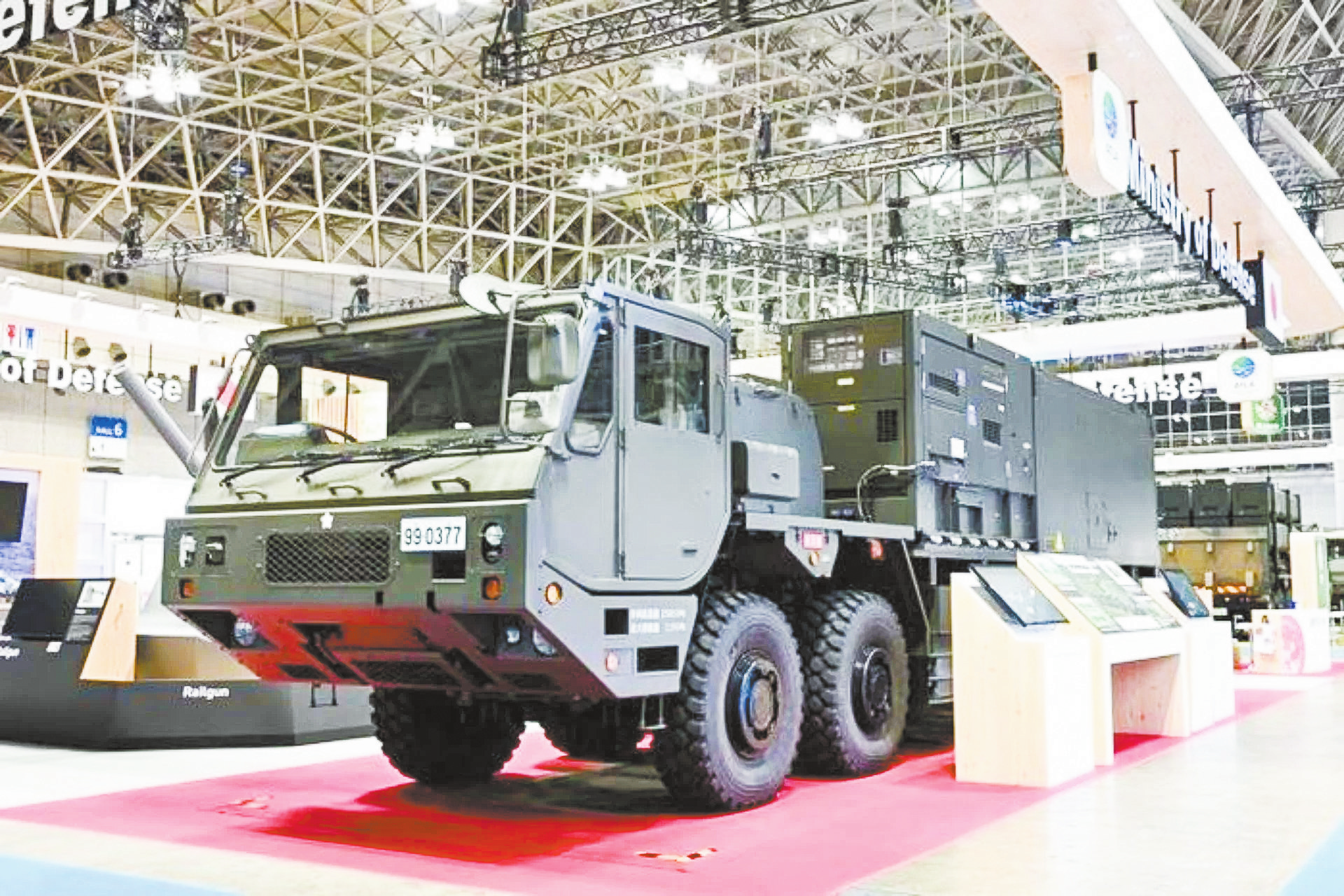
Core Viewpoint - The Japanese government plans to revise three security-related documents within the year, focusing on strengthening air defense measures against drone attacks, influenced by the tactics observed in the Russia-Ukraine conflict [1]. Group 1: Air Defense Strategy - Japan's Self-Defense Forces currently rely on the domestically produced "Type 03 Medium-Range Surface-to-Air Missile" to intercept drones, but this system is limited in the number of targets it can engage simultaneously and is cost-inefficient when using expensive missiles against cheaper drones [3]. - The Self-Defense Forces are requesting the introduction of new air defense missiles and high-power laser weapons to adjust their strategy for intercepting drones [3]. Group 2: Development of Laser Weapons - The Japanese Ministry of Defense is developing high-power laser systems capable of shooting down small drones, with dedicated funding for research and testing included in recent defense budgets [3]. - In the fiscal year 2026 budget proposal, Japan allocated 1.3 billion yen (approximately 58 million RMB) for the development of high-power microwave weapons that can intercept multiple drones simultaneously [3]. Group 3: Testing and Implementation - A vehicle-mounted high-power laser demonstration system was showcased at the 2025 Japan Defense Exhibition, successfully shooting down small drones during tests conducted in February and March of the same year [3]. - A larger power laser weapon system, intended for installation on Japan's Maritime Self-Defense Force vessels, is currently in prototype testing, designed to combine multiple 10-kilowatt fiber lasers into a 100-kilowatt system capable of penetrating metal surfaces [4]. Group 4: Strategic Implications - The Ministry of Defense believes that high-power laser weapons could be a "game changer" on the battlefield due to their low operational costs, immediate response capabilities, and virtually unlimited ammunition capacity under sufficient power supply [5]. - Integrating such laser weapon systems into the Self-Defense Forces' operational framework indicates a shift towards more diversified and adaptable defense capabilities [5].

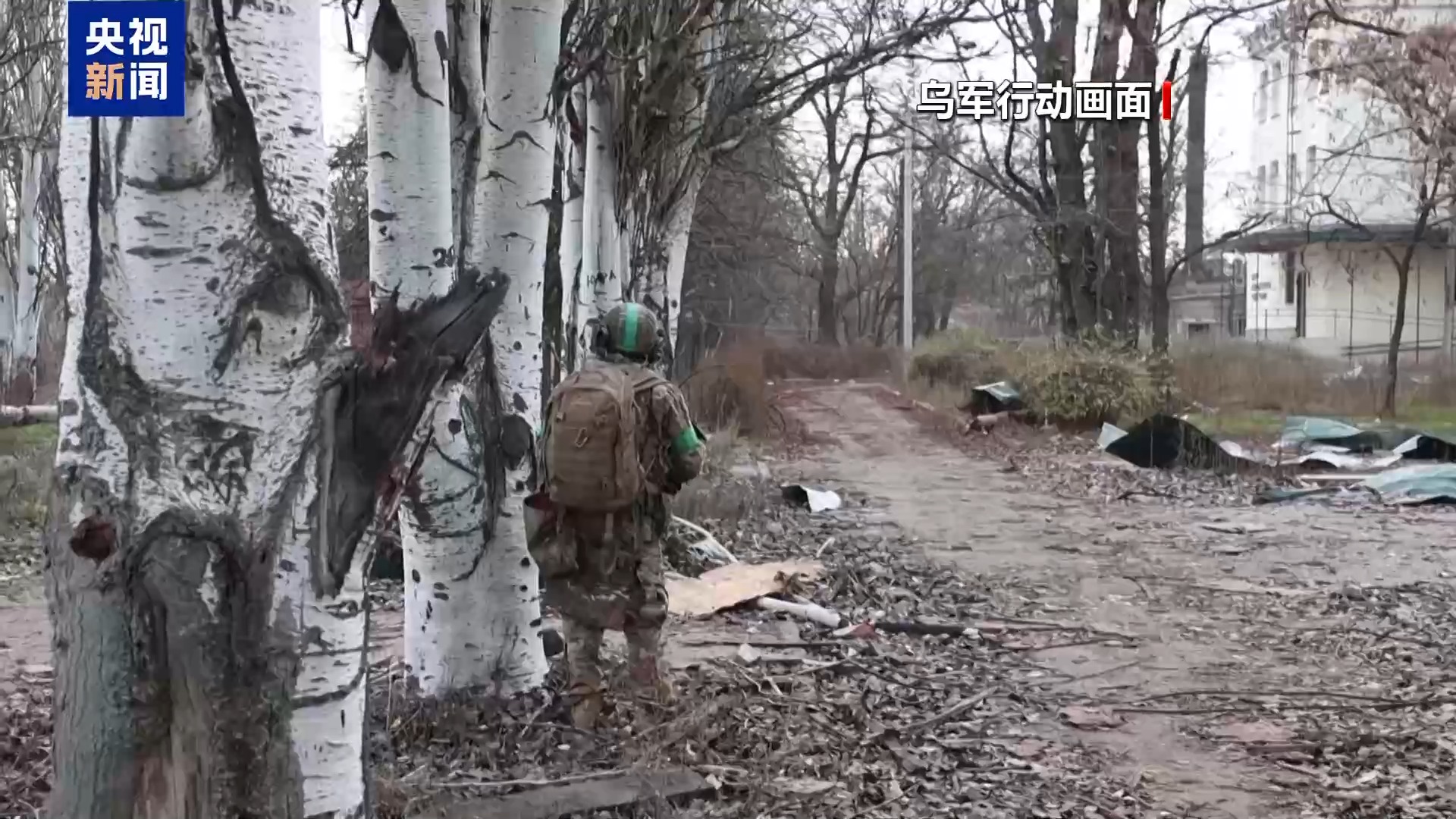
视频丨单日发射数百架 俄乌无人机互袭更趋激烈
Yang Shi Xin Wen Ke Hu Duan· 2026-01-05 23:16
Group 1 - The conflict between Russia and Ukraine remains intense, with both sides engaged in a significant drone warfare escalation as of the beginning of 2026 [1][3] - Russia's military reported that in the past 24 hours, they targeted 148 sites related to Ukraine's military-industrial complex, including drone production and training facilities [3] - Ukraine's military reported that from January 4, 18:00, Russia launched attacks using 9 missiles and 165 drones, with Ukrainian defenses successfully intercepting or suppressing 137 drones [4] Group 2 - The Ukrainian military is rapidly increasing its drone capabilities, with a large-scale procurement of up to 300,000 drones, leading to more frequent attacks on Russian deep targets [6] - Russia is enhancing its drone and anti-drone capabilities, including the establishment of a production facility for the "Geranium-2" long-range suicide drone to achieve standardization and mass production [8] - The overall battlefield situation indicates that Russian forces are on the offensive while Ukrainian forces are in a defensive position, with significant costs for Russia in their attacks [10]
Electro Optic Systems Holdings (EOS) Update / Briefing Transcript
2025-08-06 23:00
Summary of Electro Optic Systems Holdings (EOS) Update / Briefing Company Overview - **Company**: Electro Optic Systems Holdings (EOS) - **Industry**: Defense and Aerospace, specifically focusing on high energy laser weapons for counter-drone applications Key Points and Arguments New Contract Announcement - EOS announced a new contract for a **100 kilowatt high energy laser weapon** for counter-drone usage, valued at **125 million Australian dollars** with a NATO country [5][6][62] - This contract marks a historic moment as it is the first time a **100 kilowatt laser weapon** will be operational in the battlefield [5][6] Market Need and Characteristics - The need for anti-drone warfare has escalated, particularly highlighted by the Ukraine conflict, where over **70%** of armored vehicles are targeted by drones [6][12] - The current drone threat includes **commercial drones** that can be produced at low costs, making them difficult to counter with traditional methods [11][12] Product Capabilities - The **100 kilowatt laser weapon** can effectively defeat **over 95%** of drone attacks, including class two drones like the Shahid drone [15][30] - The system is designed for **multilayered air defense**, combining soft kill and hard kill effectors, including kinetic systems and lasers [7][8][27] Cost Efficiency - The cost per kill with the laser weapon is estimated to be between **1 and 10 USD**, making it significantly more affordable compared to traditional missile systems, which can cost between **500,000 and 2,000,000 USD** per shot [19][18][34] Production and Scalability - EOS plans to establish production facilities in client countries, funded by the clients, allowing for localized production and IP transfer [71][72] - The Singapore facility can handle multiple projects simultaneously, with potential for expansion [83] Competitive Landscape - EOS faces limited competition, primarily from an Israeli consortium offering similar products, but EOS holds a strategic advantage due to its IP ownership and export capabilities [40][41][46] - The company is positioned to dominate the anti-drone market, with expectations of significant revenue growth in the coming years [39][46] Financial Outlook - The contract is expected to generate revenue primarily in **2026 and 2027**, with a gross margin of around **50%** on materials [62][63] - The project is designed to be cash flow neutral in its initial phase, with no significant capital investment required from EOS [65] Future Growth Opportunities - EOS anticipates further orders from clients looking to protect military and civilian infrastructure, with potential for over **100 systems** to be ordered by two clients over the next decade [67][68] - The company is optimistic about the growth of its business segment, particularly in counter-drone and space control markets [75][76] Additional Important Information - The laser weapon system is modular and can be scaled from **50 to 150 kilowatts**, allowing for adaptability to various threats [48][30] - The technology is designed to operate effectively in harsh environments, providing a competitive edge in military applications [48] - EOS has plans for ongoing demonstrations to showcase the effectiveness of its systems to potential clients [50][49] This summary encapsulates the critical aspects of the EOS briefing, highlighting the company's strategic positioning, product capabilities, market dynamics, and financial outlook.