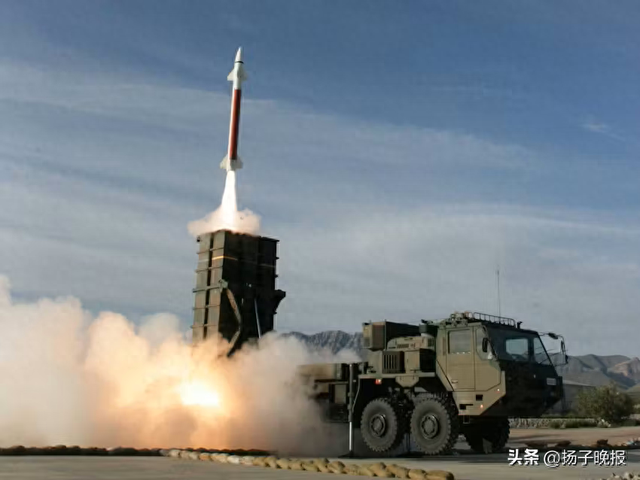
03式中程防空导弹

Search documents
日本竟公开宣布:在距台湾110公里小岛,5年内部署导弹
Bei Jing Ri Bao Ke Hu Duan· 2026-02-26 00:46
Group 1 - Japan's ruling Liberal Democratic Party has approved a proposal to relax restrictions on the export of defense equipment, which is expected to be submitted to the government next month and may take effect in spring 2023 [1][7] - The proposal will allow the export of military equipment such as fighter jets and destroyers, with provisions for exporting to countries currently engaged in combat, subject to review by Japan's National Security Council [2][7] - Japan's current "Three Principles on Defense Equipment Transfer" limits exports to non-combat purposes, but Prime Minister Fumio Kishida has expressed intentions to modify these rules to enhance deterrence and defense capabilities [2][8] Group 2 - Japan plans to deploy missile units on the Yonaguni Island, located approximately 110 kilometers from Taiwan, with the deployment expected by 2030 [3][9] - The missile units will utilize the Type 03 medium-range surface-to-air missile system, aimed at strengthening Japan's defense capabilities in response to potential conflicts involving Taiwan [3][9] - Analysts suggest that this deployment is part of Japan's broader strategy to establish a multi-layered air defense system in coordination with U.S. military operations in the region [9] Group 3 - Concerns have been raised by China regarding Japan's military movements, with Chinese officials urging the international community to remain vigilant against Japan's perceived resurgence of militarism [1][10] - There is significant public opposition within Japan, with protests occurring against the government's push for constitutional amendments and military expansion, reflecting fears of a return to militarism [5][10]
日本首次宣布:在距台湾110公里小岛,5年内部署导弹
Xin Lang Cai Jing· 2026-02-24 23:26
Core Viewpoint - Japan's Defense Minister announced plans to deploy ground-based air defense missiles on Yonaguni Island by the fiscal year 2030, marking the first specific timeline for such deployment, aimed at enhancing defense capabilities in response to potential regional conflicts, particularly concerning Taiwan [1][3]. Group 1: Deployment Plans - The Japanese government plans to establish a unit equipped with Type 03 medium-range air defense missiles on Yonaguni Island, which is strategically located approximately 110 kilometers from Taiwan [1][3]. - The deployment is part of a broader strategy to strengthen Japan's defense capabilities in light of potential military actions related to Taiwan [1][3]. - A public briefing for local residents is scheduled for March 2, where detailed explanations regarding the deployment will be provided [1]. Group 2: Historical Context and Military Developments - Japan has been accelerating the deployment of its Self-Defense Forces in the Ryukyu Islands, with previous establishments including a coastal surveillance unit in 2016 and missile units in 2019 and 2023 [3]. - The Yonaguni Island base currently focuses on coastal monitoring and intelligence gathering but lacks effective defense against incoming aircraft and missiles [3]. - Recent military exercises by the Chinese military have raised concerns, with missiles reportedly landing within 80 kilometers of Yonaguni Island [4]. Group 3: Regional Reactions - The Chinese government has expressed strong opposition to Japan's military developments near Taiwan, emphasizing that such actions could escalate regional tensions and challenge the post-war international order [6]. - Chinese officials have reiterated that Taiwan issues are internal matters for China and criticized Japan for its historical actions regarding Taiwan [6].

警惕!日本借反无人机发展激光武器
Xin Lang Cai Jing· 2026-02-23 22:47
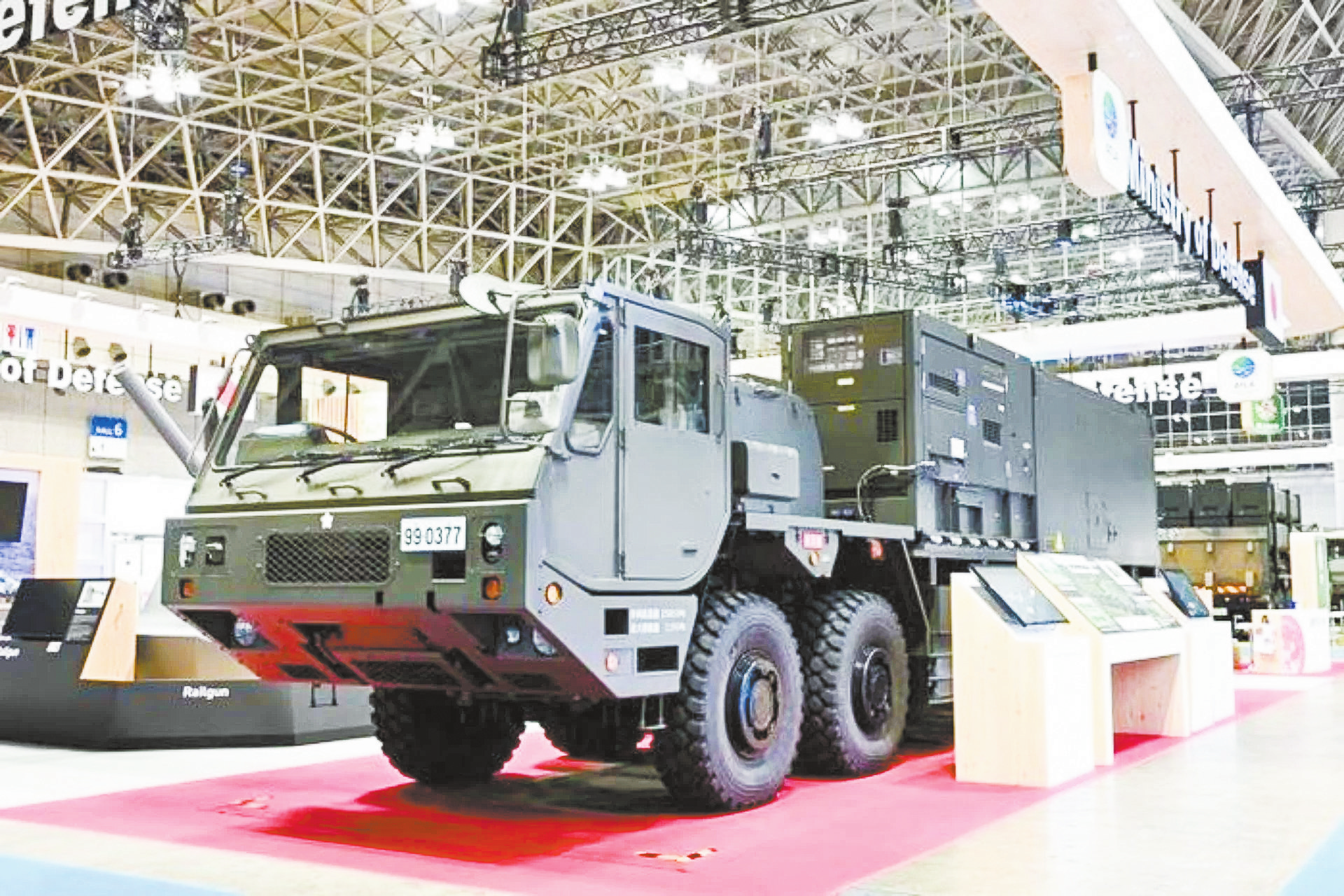
Core Viewpoint - The Japanese government plans to revise three security-related documents within the year, focusing on strengthening air defense measures against drone attacks, influenced by the tactics observed in the Russia-Ukraine conflict [1]. Group 1: Air Defense Strategy - Japan's Self-Defense Forces currently rely on the domestically produced "Type 03 Medium-Range Surface-to-Air Missile" to intercept drones, but this system is limited in the number of targets it can engage simultaneously and is cost-inefficient when using expensive missiles against cheaper drones [3]. - The Self-Defense Forces are requesting the introduction of new air defense missiles and high-power laser weapons to adjust their strategy for intercepting drones [3]. Group 2: Development of Laser Weapons - The Japanese Ministry of Defense is developing high-power laser systems capable of shooting down small drones, with dedicated funding for research and testing included in recent defense budgets [3]. - In the fiscal year 2026 budget proposal, Japan allocated 1.3 billion yen (approximately 58 million RMB) for the development of high-power microwave weapons that can intercept multiple drones simultaneously [3]. Group 3: Testing and Implementation - A vehicle-mounted high-power laser demonstration system was showcased at the 2025 Japan Defense Exhibition, successfully shooting down small drones during tests conducted in February and March of the same year [3]. - A larger power laser weapon system, intended for installation on Japan's Maritime Self-Defense Force vessels, is currently in prototype testing, designed to combine multiple 10-kilowatt fiber lasers into a 100-kilowatt system capable of penetrating metal surfaces [4]. Group 4: Strategic Implications - The Ministry of Defense believes that high-power laser weapons could be a "game changer" on the battlefield due to their low operational costs, immediate response capabilities, and virtually unlimited ammunition capacity under sufficient power supply [5]. - Integrating such laser weapon systems into the Self-Defense Forces' operational framework indicates a shift towards more diversified and adaptable defense capabilities [5].
新导弹亮相日本野心勃勃
Xin Lang Cai Jing· 2026-02-08 17:26
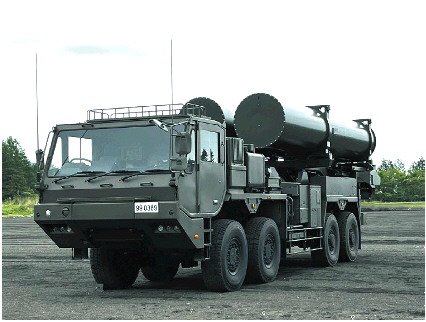
Core Viewpoint - Japan is accelerating its military capabilities by developing a new type of anti-ship cruise missile that can perform "barrel roll maneuvers" to evade defense systems, reflecting a significant shift in its military strategy from defense to offense [3][4]. Military Developments - The new missile, referred to as the "island defense high-speed gliding missile," is expected to begin production in 2027, with a budget allocation of 387 billion yen for its mass production and 732 billion yen for hypersonic missile research in the fiscal year 2026 [5]. - The missile is designed to exceed the range of the existing Type 12 anti-ship cruise missile, which has a maximum range of 1,000 kilometers, indicating that the new missile's range will likely surpass this figure [4][5]. - Japan's defense budget for the fiscal year 2026 has reached a record high of 9.04 trillion yen, with approximately 973.3 billion yen earmarked for enhancing its strike capabilities against enemy bases [9][11]. Technological Features - The missile features advanced stealth capabilities, a unique S-shaped air intake design, and a multi-faceted body to enhance its evasion tactics against interception systems [5]. - It is capable of being deployed from various platforms, including destroyers, land-based mobile launchers, and fighter jets, showcasing its versatility [4][5]. Broader Military Strategy - Japan is also investing in directed energy weapons, with 18.3 billion yen allocated for the development of shipborne laser weapon systems in the fiscal year 2025 [6]. - The country is pursuing the development of high-power microwave systems in collaboration with the U.S. Department of Defense, indicating a focus on advanced military technologies [8]. - Japan's military strategy includes the deployment of new destroyers, submarines, and the integration of Tomahawk missiles into its naval forces, marking a departure from its traditional defense posture [9][10].
解放军报文章:日本全面解禁武器出口必将玩火自焚
Xin Lang Cai Jing· 2026-01-04 23:11
Core Viewpoint - Japan's Prime Minister Suga Yoshihide is pushing to lift restrictions on arms exports, which could lead to a significant increase in Japan's military exports and raise concerns about regional security [1][2]. Group 1: Policy Changes - The Japanese government plans to submit a motion in February 2026 to abolish the current five categories of arms export restrictions, effectively allowing for a comprehensive opening of arms exports, including potentially lethal equipment [1]. - Since 2014, Japan has gradually relaxed its arms export policies, transitioning from a strict "three principles" of arms exports to a more permissive "three principles of defense equipment transfer," which allows for various types of arms exports under certain conditions [1][2]. Group 2: Military Cooperation and Strategy - The current security policy emphasizes that the transfer of defense equipment is crucial for maintaining peace and stability in the Indo-Pacific region, and it aims to deter adversaries from altering the status quo through military means [2]. - Japan has signed defense equipment and technology transfer agreements with countries such as the U.S., U.K., Italy, Australia, and the Philippines, expanding its military cooperation network and enhancing its overseas military presence [2]. Group 3: Domestic and International Reactions - There is a growing concern among the Japanese public regarding the government's arms export policies, with protests emerging against Japan becoming a "merchant of weapons" [3]. - The government's strategy to expand arms exports is seen as a means to bolster domestic military-related industries and strengthen alliances, but it raises alarms about potential militarization and regional instability [3].
日本大幅增加防卫费,中方:暴露日本右翼势力险恶用心
Huan Qiu Shi Bao· 2025-12-26 23:01
Core Viewpoint - The Japanese government has approved a record defense budget exceeding 9 trillion yen for the fiscal year 2026, reflecting a significant shift towards military expansion and modernization in response to perceived threats, particularly from China [1][2][3]. Defense Budget Overview - The defense budget includes funding for various military enhancements, such as 1.001 billion yen allocated for a coastal defense system involving drones, and 11 billion yen for testing long-endurance drones to prevent airspace violations [1][2]. - An additional 301 billion yen is earmarked for acquiring long-range missiles, including hypersonic missiles, while 51 billion yen is designated for upgrading missile defense systems [2]. - The budget also plans to reorganize the Air Self-Defense Force into an "Aerospace Self-Defense Force," with 11 billion yen allocated for satellite interference monitoring equipment [2]. Strategic Implications - This budget marks the 14th consecutive year of defense spending increases in Japan, focusing on offensive capabilities and new operational strategies, including long-range strikes and enhanced air and naval forces [2][3]. - Analysts suggest that this shift represents a transformation from a "defensive" to an "active deterrent" military posture, potentially altering the regional security landscape [3]. Domestic and International Reactions - There is growing criticism from the international community regarding Japan's military expansion, with concerns that it reflects a resurgence of militarism [1][3]. - Domestic protests have emerged against the government's military spending, highlighting concerns over the economic burden on ordinary citizens and questioning the effectiveness of increased defense spending in ensuring national security [3].
日媒:日本就出口导弹与菲律宾展开非正式磋商
Zhong Guo Xin Wen Wang· 2025-12-01 08:53
Group 1 - Japan is in informal discussions with the Philippines regarding the export of the "Type 03 Medium-Range Air Defense Missile" from its Self-Defense Forces, with the Philippines expressing interest in deploying it within their military [1] - The "Type 03 Medium-Range Air Defense Missile" is designed to intercept aircraft and cruise missiles, with an upgraded version capable of intercepting ballistic missiles and hypersonic glide weapons expected to be completed by 2028 [1] - Japan is also negotiating the export of "Abukuma" class frigates to the Philippines, with the Philippine Navy commander indicating a desire to secure at least three vessels [1] Group 2 - Japan's defense budget has seen continuous increases for thirteen consecutive years, and recent legislative changes have relaxed restrictions on arms exports, allowing for the export of lethal weapons [2] - The Japanese government is seeking to modify its "Three Non-Nuclear Principles," which could facilitate nuclear sharing arrangements, despite its stated goal of establishing a nuclear-free world [2] - China has expressed strong opposition to Japan's military expansion and potential return to militarism, emphasizing that such actions would not be accepted by the international community [2]
距中国台湾仅110公里!日本宣布在敏感区域部署导弹
Xin Jing Bao· 2025-11-24 08:34
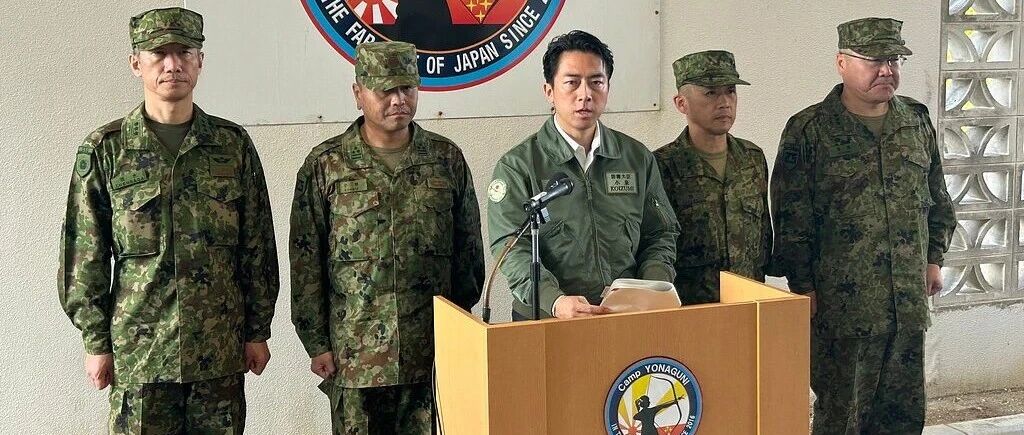
Core Viewpoint - Japan's Defense Minister, Kono Taro, confirmed the deployment of medium-range air defense missiles on Yonaguni Island, asserting that this move is aimed solely at enhancing Japan's defensive capabilities without escalating regional tensions [1] Group 1: Deployment Details - The self-defense forces have been stationed on Yonaguni Island since 2015, with various types of weaponry deployed [1] - The planned deployment of the Type 03 medium-range air defense missiles is set for January 2025, specifically to counter aerial threats [1] Group 2: Geopolitical Context - Yonaguni Island is located just 110 kilometers from Taiwan, making it Japan's closest island to Taiwan [1] - The Japanese government does not acknowledge that the missile deployment will heighten tensions in the region [1]
距离中国台湾仅110公里,日本宣布在敏感区域部署导弹
第一财经· 2025-11-24 07:00
Core Viewpoint - Japan's Defense Minister, Kono Taro, confirmed the scheduled deployment of medium-range air defense missiles at a Self-Defense Force base on Yonaguni Island, which is located only 110 kilometers from Taiwan [1]. Group 1 - Yonaguni Island is Japan's westernmost point and the closest island to Taiwan, highlighting its strategic importance in regional security [1]. - Since 2015, Japan has been stationing Self-Defense Forces and deploying various weapons on Yonaguni Island, indicating a long-term military commitment to the area [1]. - The Japanese Defense Ministry plans to deploy the Type 03 medium-range air defense missile, designed to counter aerial threats at a range of approximately 50 kilometers [1].
距离中国台湾仅110公里,日本宣布在敏感区域部署导弹
财联社· 2025-11-24 06:55
Core Viewpoint - Japan is set to deploy medium-range air defense missiles at a Self-Defense Force base located on Yonaguni Island, which is only 110 kilometers away from Taiwan, indicating a strategic military positioning in response to regional threats [1]. Summary by Sections - **Deployment Details** - The Japanese Defense Minister, Kono Shinjiro, confirmed the timely deployment of medium-range air defense missiles at the Self-Defense Force base on Yonaguni Island [1]. - **Geographical Significance** - Yonaguni Island is the westernmost point of Japan and the closest Japanese island to Taiwan, highlighting its strategic importance in the region [1]. - **Historical Context** - Since 2015, Japan has been stationing Self-Defense Forces and deploying various types of weapons on Yonaguni Island, reflecting an ongoing military buildup [1]. - **Missile Specifications** - The 03-type medium-range air defense missile, which is planned for deployment, is designed to counter aerial threats at a range of approximately 50 kilometers [1].