古人观天地智慧

Search documents
古人观天地智慧与御寒取暖巧思熠熠生辉 解锁藏在文物里的“冬日密码”
Yang Shi Wang· 2025-12-21 09:56
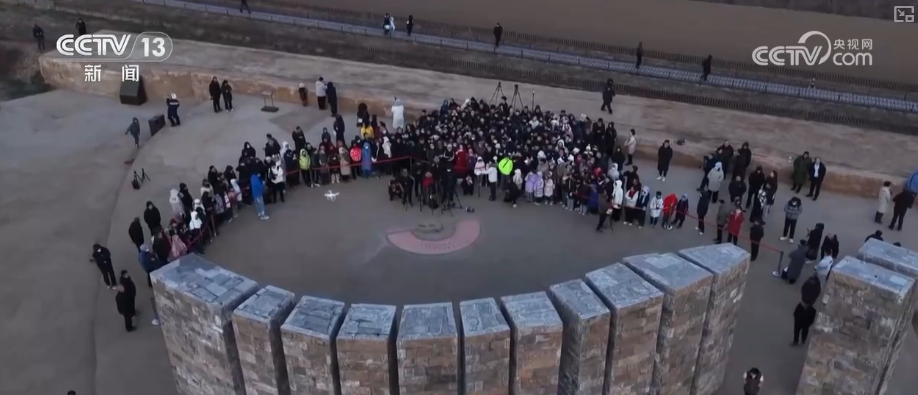
Core Viewpoint - The article highlights the ancient wisdom and innovative methods of the Chinese people in observing celestial events and staying warm during winter, particularly through the lens of archaeological findings in Shanxi province [1]. Group 1: Ancient Observatories - The Taosi Ancient Observatory, located in Xiangfen County, Shanxi, dates back 4,300 to 3,900 years and consists of 13 observation pillars with 12 observation slits, used by ancient people to observe the sunrise and determine agricultural seasons [7]. - On December 21, at 7:30 AM, visitors gather to witness the sunrise at the observatory, where the first rays of sunlight align with the observation slits, marking the arrival of the winter solstice [4]. Group 2: Timekeeping Instruments - The Taosi site museum features a gnomon and a sundial, which work in conjunction with the observatory to ensure accurate seasonal timing [9]. - The gnomon is placed flat on the ground, while the vertical sundial casts a shadow on the gnomon, allowing the determination of solar angles and seasonal changes based on shadow length, with the longest shadow occurring during the winter solstice [10]. Group 3: Ancient Heating Devices - The Jin Hou Wen Ding, an ancient cooking vessel from the Western Zhou period, was designed to retain heat by using charcoal in a tray, resembling modern hot pot designs [13]. - The vessel features a top section for holding food, while the middle tray contains charcoal with ventilation holes to enhance combustion and allow ash to fall through [15]. - Another heating device, the Qulong-patterned square plate from the Warring States period, likely served as a charcoal stove, showcasing both aesthetic and practical functions in ancient heating methods [16][18].