
古代建筑文化

Search documents
从清东陵的建筑细节看大国工匠的“小心思”
Bei Jing Ri Bao Ke Hu Duan· 2026-02-11 06:37
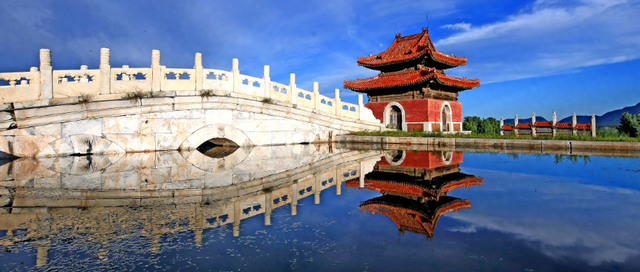
清东陵每座陵寝虽然都依规制而建,但是每座陵寝却又各具特色,它们在建筑细节上分别以各种别出心 裁的形式,体现着墓主人生前别样的志趣,同时也体现出古代工匠的智慧与精巧用心。今天大家就和小 编一起通过请东陵的建筑细节来看看大国工匠的"小心思"吧! 意趣盎然的"仙人异兽" 在清东陵每座陵寝隆恩殿顶的岔脊上,都装饰着一些小兽和一位骑凤仙人。它们如一位位忠诚的卫士, 坚守在殿顶,一守就是百年。关于它们为什么要驻守在这里,还有很多有趣的故事…… 每座殿角最外边的就是骑凤小仙人。传说这个小仙人就是姜子牙的小舅子,他想利用姜子牙的关系,升 官发财往上爬。姜子牙是一位清平公正的官,他看出了他这个小舅子的心思,也深知他的才能实在有 限,就对他说:"你的官已经升到顶了,如果再往上爬就会摔下来。" 在这个小仙人之后,还排列着九个坐姿的小兽,它们按排列的顺序依次是:龙、凤、狮子、天马、海 马、狻猊、押鱼、獬豸、斗牛。 这些小兽都有一定的象征意义。 龙、凤代表至高无上的尊贵;天马、海马象征着皇家的威德通天入海,畅达四方;斗牛、押鱼是海中异 兽,据说可以兴云作雨,镇火防灾;狮子是兽中之王,象征着威猛和尊严;狻猊则是我国传说中能食虎 豹的猛兽 ...

京西白铁山上,“藏”着一座千年古刹
Bei Jing Ri Bao Ke Hu Duan· 2025-11-11 08:11
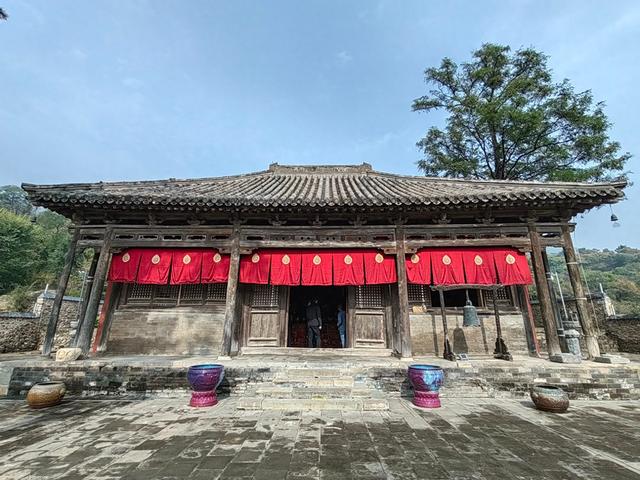
Core Viewpoint - Lingyue Temple, a historical site located in the mountains of Beijing, has recently reopened after extensive restoration, preserving its original appearance and architectural elements from various dynasties [3][10][12]. Architectural Features - Lingyue Temple features a variety of architectural styles from the Tang, Yuan, Ming, and Qing dynasties, with the main hall, Daxiong Baodian, showcasing a unique roof style that is among the highest in ancient architecture [4][7]. - The temple's construction includes intricate details such as the use of traditional materials and techniques, with specific attention to the structural integrity of the buildings [5][9]. Historical Significance - The temple has undergone multiple restorations throughout its history, with records dating back to the Tang dynasty, making it a significant example of ancient Chinese architecture [10][12]. - Lingyue Temple was once a thriving religious site with numerous monks and visitors, leading to the establishment of the surrounding village, Zhaitang [13][14]. Cultural Impact - The temple's history is intertwined with local folklore and culinary traditions, such as the creation of a local delicacy, "Zha Gan Cai," which originated from the temple's monks celebrating the return of their property [11][12]. - The area surrounding Lingyue Temple has developed into a cultural and historical hub, reflecting the evolution of the community from a religious site to a village [14][15].
白铁山上寻千年古刹
Bei Jing Wan Bao· 2025-11-11 06:15
Core Points - Lingyue Temple, located on the majestic Bai Tie Mountain, has recently reopened after extensive restoration, preserving its original appearance as much as possible [1][10] - The temple features architectural elements from various dynasties, including Tang, Yuan, Ming, and Qing, showcasing the craftsmanship and historical significance of ancient Chinese architecture [3][5] - The temple has undergone multiple renovations throughout its history, with records indicating significant repairs during the Yuan and Qing dynasties, contributing to its status as a well-preserved cultural heritage site [7][9][10] Architectural Features - Lingyue Temple's main hall, the Daxiong Baodian, is built in a prestigious architectural style known as the "wudian" roof, which is characterized by its four sloping sides and central ridge, typically reserved for important structures [5] - The temple's construction includes unique features such as the "cross hands" structure from the Yuan dynasty, which is rare in existing ancient buildings [4][5] - The temple's courtyard is paved with aged bricks, and the intricate details of the construction reflect the high level of craftsmanship from ancient builders [4][6] Historical Significance - Lingyue Temple is considered a "living fossil" of ancient Chinese architecture due to its well-preserved wooden structure and historical integrity [8][10] - The temple has a rich history, with records dating back to the Tang dynasty, and has been a significant site for Buddhist practices and community gatherings [7][9] - The surrounding area, including the establishment of the Zhaitang village, evolved from the temple's presence, highlighting the cultural and historical impact of Lingyue Temple on local communities [11][12]
