古代饮食文化

Search documents
早饭要吃一斤半,古人饭量为何这么大|新年书摘
Di Yi Cai Jing· 2026-02-20 06:04
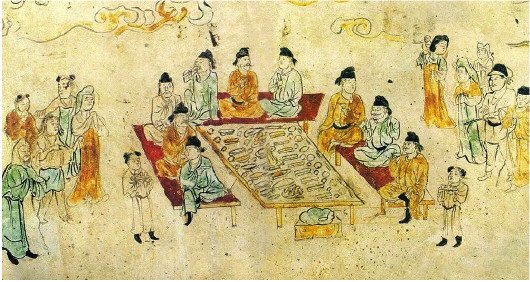
你得知道,人家仅仅是吃饭,很少有肉食的。连皇帝派遣出差的人,也只规定沿途政府供应米饭、酱、 菜、盐,没有提到肉。 古人吃饭的那些事 据说人类从狩猎时代进化到农耕时代,身高减少了几厘米,原因很简单:肉食供应不足,蛋白质摄入量 显著降低。西方人以肉和奶酪为主食,普遍高大,当年他们带着坚船利炮刚到远东,日本人首先就惊呆 了,怎么长这么壮实?倭国的精英立刻感受到危机,舆论疾呼,要全力学习西方,多产牛奶多产肉,满 足民众需要;甚至还有人提出,鼓励国民和西洋人结合,改良人种。不过毕竟起点低,直到"二战"时, 日本兵依旧很矮,一米六以上就是甲种役了(身体条件最好的一档);就连一米四以上,也要编入预备 役,随时准备应召上阵。我以前看黑泽明的电影,《影子武士》之类,非常奇怪,为什么日本诸侯的轿 子那么小?那些贵为诸侯的人,怎如此悭吝材料?后来看了数据,大概可以理解了:古代日本人确实太 矮,轿子做大了,纯属浪费。 所以,千万不要相信古装剧里的人物,穿越到古代去,个个都是身材挺拔的帅哥美女。农业社会,老百 姓大多吃糠咽菜,怎么长得挺拔?那时候的人大多面有菜色,形同饿殍。西北地区出土的汉简记载了很 多当时边防士兵状貌、身高、肤色的信 ...

古人吃饭的那些事
Xin Lang Cai Jing· 2026-02-06 16:48
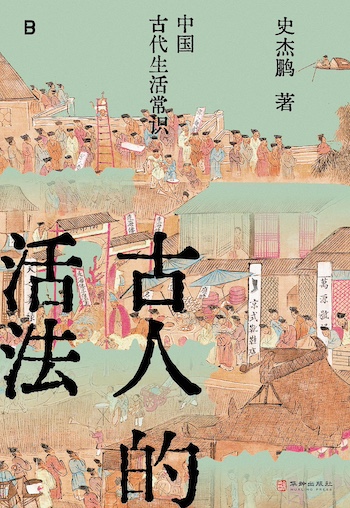
Core Perspective - The book "The Way of the Ancients: Common Knowledge of Ancient Chinese Life" by author Shi Jiepeng provides a detailed depiction of the everyday life of ordinary people in ancient China, focusing on aspects such as geography, food, clothing, housing, travel, health, values, survival, marriage, communication, and more, rather than grand historical narratives [3]. Group 1: Food and Diet - Ordinary people could rarely afford to eat pork, lamb, or beef, typically consuming offal instead. The staple food was millet, with rice also being consumed in the north, and glutinous millet being a luxury often paired with chicken [4]. - The common diet included porridge-like dishes called "geng," made from rice, flour, vegetables, and sometimes meat, which were convenient for serving with rice [6]. - Historical records indicate that the average daily food intake for adult males was around 1.5 kg for breakfast and 1 kg for dinner, while women consumed about 900 grams daily [10]. Group 2: Water and Salt - Water was primarily drawn from wells using clay pots, which were often broken, leading to disputes among users. By the Tang Dynasty, wooden buckets began to replace clay pots for drawing water [12][14]. - Salt was a crucial part of daily life, with historical accounts highlighting its importance in food preparation and the economy. The state managed salt production, indicating its significance in ancient society [15][16]. Group 3: Sweeteners - Ancient China did not have modern granulated sugar; instead, honey and a type of sweetener called "yi" made from rice and malt were used. These sweeteners were considered luxury items [17][18]. - The production of sugar from sugarcane began in the Six Dynasties period, but the method of making granulated sugar was introduced later during the Tang Dynasty [18].