可循环经济

Search documents
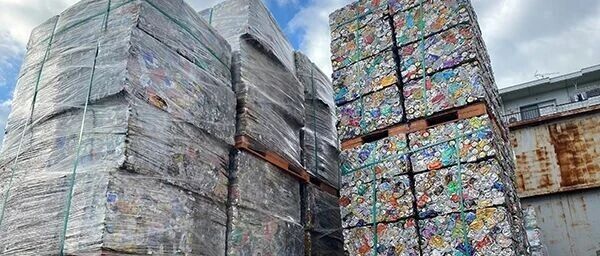
日本废铝价格10年涨至5倍,中国因素?
日经中文网· 2026-01-25 00:33
Group 1 - The price of aluminum scrap in Japan is rising, with cutting scrap prices reaching over five times the level of ten years ago due to a decrease in waste generation from halted demolition projects [2][4] - The Tokyo Aluminum Center reports a significant reduction in the inflow of scrap materials, with a 3.4% decrease in transaction volume expected for 2024, marking three consecutive years of decline [6] - The trend of internal recycling of non-ferrous metal scrap by manufacturing companies is increasing, leading to a reduction in market supply [6][10] Group 2 - The number of scrap yards in Chiba Prefecture is expected to increase by over 60% by March 2025, attributed to the influx of Chinese enterprises taking advantage of the depreciated yen [8] - Japan's aluminum scrap exports exceeded 400,000 tons from January to November, marking a significant increase compared to previous years, while copper scrap exports also saw an 18% year-on-year growth [10] - Domestic recycling businesses in Japan are struggling, with many facing difficulties in securing scrap materials, raising concerns about the sustainability of Japan's circular economy [10]

专家报告:消费电子塑性材料发展应用的趋势(附61页PPT)
材料汇· 2025-05-17 15:07
Group 1 - The article discusses the trends in the development and application of plastic materials in consumer electronics, emphasizing the shift towards sustainable and recyclable materials [3][5][79] - It highlights the importance of lightweight and thin-walled materials, which can reduce carbon emissions and enhance product performance [52][60][79] - The article mentions the increasing use of bioplastics and recycled materials in manufacturing, reflecting a growing consumer preference for sustainable products [89][91][106] Group 2 - The article outlines the advancements in LCP (Liquid Crystal Polymer) materials, which are crucial for high-frequency communication applications, ensuring reliable data transmission [20][21][37] - It notes the trend of using film technology to replace traditional automotive painting processes, potentially reducing CO2 emissions by up to 40% [11][12] - The article emphasizes the role of innovative manufacturing techniques, such as 3D printing and laser structuring, in enhancing the efficiency and sustainability of production processes [9][46][60] Group 3 - The article discusses the emergence of zero-carbon initiatives in various sectors, including automotive and food services, showcasing efforts to minimize environmental impact [5][8][79] - It highlights the significance of consumer awareness and demand for eco-friendly products, which is driving companies to adopt sustainable practices [82][85][88] - The article also addresses the challenges and opportunities in recycling and waste management, particularly in the context of plastic materials [79][90][99]