可编程抽象层

Search documents
拒绝成为落后的开发者:用TRAE Skills构建你的10倍效能工具箱
机器之心· 2026-01-22 04:05
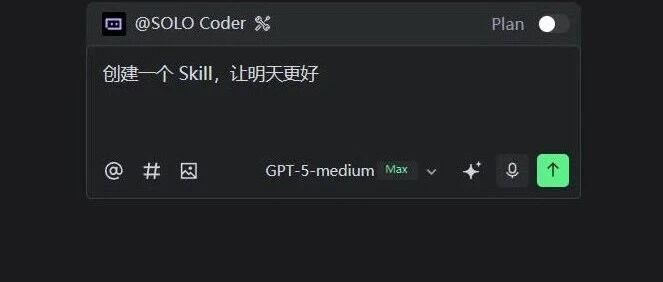
Core Insights - The article emphasizes the emergence of "Skill" as a pivotal concept in the AI programming field, marking a transition towards "experience assetization" and the standardization of professional capabilities [3][44] - The introduction of Skill allows for the encapsulation of complex instructions and resources into reusable professional skill packages, enhancing productivity across various work scenarios [3][8] Group 1: Definition and Functionality of Skill - Skill is defined as a "professional skill package," represented by a SKILL.md file that contains detailed instructions, automation scripts, and template resources necessary for specific tasks [10][15] - The dynamic calling mechanism of Skill addresses the core pain point of token consumption and task focus in AI programming, allowing for efficient use of resources [15][16] Group 2: Evolution and Integration of Skill - The integration of Skill into platforms like TRAE signifies a shift from AI tools as assistants to digital employees, enabling developers to create reusable workflows [7][8] - TRAE's Skill functionality allows users to easily configure and utilize skills, even with no coding background, thus democratizing access to advanced AI capabilities [19][21] Group 3: Practical Applications and Impact - The article illustrates how Skill can significantly enhance productivity, with examples showing TRAE's ability to automate tasks and improve efficiency in real-world scenarios [18][24] - The potential for Skill to serve as a personal digital assistant is highlighted, enabling users to streamline various tasks such as file management and content generation [40][41] Group 4: Future Outlook and Opportunities - The article suggests that mastering and building a personal "skill library" will be crucial for developers to adapt to the evolving AI landscape and achieve significant productivity gains [44] - TRAE's recent promotional offerings aim to lower the barriers for users to experiment with Skill, encouraging broader adoption and innovation within the community [41][42]