
味觉补偿

Search documents
如果最近突然爱上吃这2样东西,说明你的身体确实老了
Xin Lang Cai Jing· 2026-02-16 16:08
Group 1 - The article discusses how aging affects taste and smell, particularly the perception of cilantro and salt [1][3][5] - It highlights that one in five people in East Asia dislikes cilantro due to a genetic variation affecting their ability to perceive certain aldehyde compounds [1] - As people age, their olfactory function declines, leading to a reduced sensitivity to unpleasant smells, which may result in a newfound appreciation for cilantro [3][5] Group 2 - The article explains that aging also impacts taste perception, with a decrease in the ability to renew taste buds and a reduction in saliva production, which is essential for taste [7] - This phenomenon is referred to as "taste compensation," where older individuals may prefer saltier foods to compensate for diminished taste sensitivity [7][10]

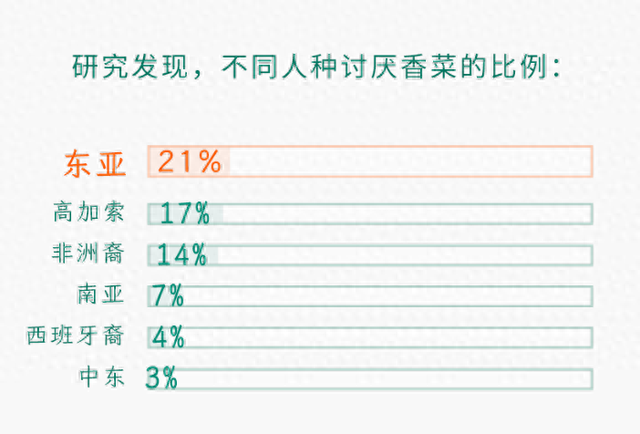
从讨厌香菜到爱吃说明你可能老了
Xin Lang Cai Jing· 2026-02-16 04:38
Core Viewpoint - The article discusses how a genetic predisposition affects people's taste preferences for cilantro and salt, indicating potential signs of aging as individuals may develop a liking for these foods over time [1] Group 1: Genetic Factors - Approximately 15% of the global population carries a gene (OR6A2) that makes them sensitive to the aldehyde compounds in cilantro, leading to a dislike for the herb during youth [1] - As people age, their olfactory functions decline, resulting in a reduced sensitivity to unpleasant odors, which may lead to an increased acceptance of cilantro [1] Group 2: Taste Changes with Age - Aging is associated with a decrease in taste bud renewal and saliva production, causing a lower sensitivity to flavors [1] - This phenomenon, referred to as "taste compensation," results in a preference for saltier foods as individuals seek stronger flavor stimuli [1]