
和平与战争

Search documents
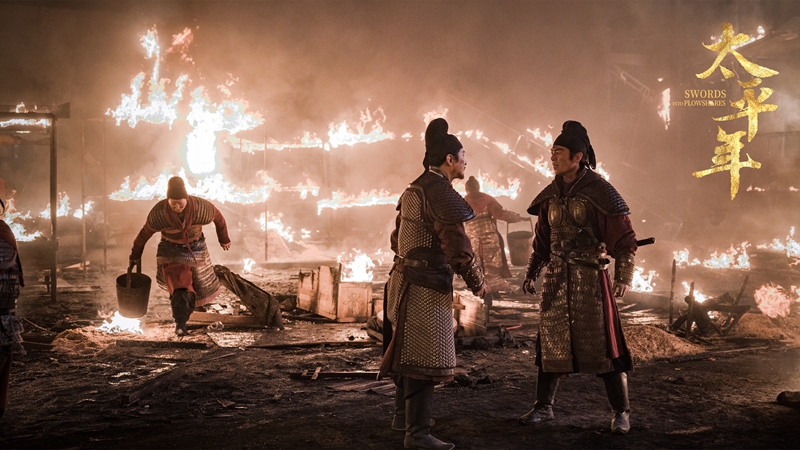
专访《太平年》导演:不去粉饰苦难,才能理解和平的脆弱
Di Yi Cai Jing· 2026-02-11 12:29
Core Insights - The series "Tai Ping Nian" has gained unprecedented attention for the relatively obscure historical period of the Five Dynasties and Ten Kingdoms, diverging from traditional historical dramas that focus on prominent figures [2][4] - The show has sparked widespread discussions on social media, with audiences engaging in historical analysis and character interpretations, indicating a shift in viewer engagement with historical narratives [2][4] - The director Yang Lei emphasizes the importance of portraying the harsh realities of history to maintain awareness of the fragility of peace, reflecting a commitment to meaningful storytelling [6][20] Audience Engagement - "Tai Ping Nian" has achieved a market share of 18.8% since its premiere on January 27, with a peak national rating of 3.175% during prime time [4] - The series has prompted viewers to actively research historical events and figures, leading to a vibrant online community discussing the show's content [2][21] - The director notes that the initial controversies surrounding the show have transformed into positive discussions, indicating a successful engagement with the audience [21] Creative Approach - The production team undertook extensive historical research to ensure authenticity in the portrayal of characters and events, aiming to create a realistic historical environment [19] - Yang Lei's creative philosophy prioritizes meaningful storytelling over mere emotional manipulation, advocating for a balance between historical accuracy and dramatic interpretation [20] - The series features over 230 named characters, each contributing to the narrative's depth and complexity, with a focus on the significance of every individual in the historical context [9][11] Character Development - The character of Feng Dao, who navigates multiple dynasties, serves as a central figure, embodying the complexities of governance during chaotic times [14] - The portrayal of various historical figures, including Zhao Kuangyin and Guo Wei, highlights their struggles and aspirations for peace amidst turmoil, enriching the narrative [15][16] - The director emphasizes the importance of each character's contribution to the overarching theme of the quest for order and peace, reinforcing the idea that "no one is unimportant" in history [11][14] Future Implications - The success of "Tai Ping Nian" may encourage more productions to explore similar historical themes, potentially reshaping market perceptions of historical dramas [21] - Yang Lei believes that the acceptance of this series indicates a broader societal and commercial value for meaningful historical storytelling, paving the way for future projects [21] - The show's ability to resonate with audiences suggests a growing appetite for content that combines entertainment with educational value, challenging the industry's focus on immediate emotional gratification [20][21]

马杜罗证实曾与特朗普通话10分钟 重申“要和平不要战争”
Yang Shi Xin Wen· 2026-01-02 00:38
Group 1 - The core point of the article is the confirmation of a phone call between Venezuelan President Maduro and US President Trump, which lasted 10 minutes on November 21, 2025, with Maduro denying a second call [1] - Maduro described the atmosphere of the call as friendly and respectful, but noted that subsequent actions by the US were not friendly [2] - Maduro emphasized the importance of maintaining peaceful relations with the American people and expressed a desire to avoid military confrontation or war [2] Group 2 - In 2025, Venezuela destroyed 40 aircraft involved in drug trafficking, showcasing a robust mechanism for combating drug-related activities [3] - The Venezuelan government has invested billions of dollars and deployed police and military forces to intensify efforts against cross-border drug trafficking [3] - Maduro called for dialogue to resolve tensions with the US, asserting Venezuela's commitment to sovereignty and self-determination, and criticized US military and political pressure as violations of international law [4]