历史剧创作

Search documents
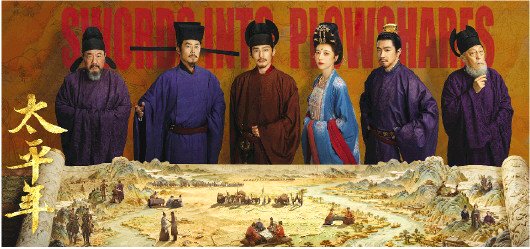
董涛:从《太平年》看历史剧创作生产
Xin Lang Cai Jing· 2026-02-19 04:32
Group 1 - The historical drama "Taiping Year" has gained popularity, focusing on the theme of "peace and unity" during the Five Dynasties and Ten Kingdoms period, resonating with audiences on historical culture and national unity [2] - The show has been distributed in over 70 countries and regions globally, indicating its increasing international appeal [2] - "Taiping Year" serves as a valuable example for contemporary historical drama production, showcasing effective thematic expression and creative methods [2] Group 2 - Historical dramas can be categorized into serious historical dramas and legendary historical dramas, with the former focusing on significant events and figures, while the latter allows for more artistic imagination [3] - Recent successful historical dramas have transcended mere storytelling, becoming important cultural carriers that connect collective memory with contemporary spirit [3][7] - The creation of historical dramas requires a balance between factual accuracy and artistic fiction, adhering to the principle of "big events not fictionalized, small events not restricted" [7] Group 3 - The creation of historical dramas should be guided by a correct historical perspective, avoiding nihilism and ensuring respect for historical facts [5] - "Taiping Year" involved collaboration with authoritative historians to ensure historical accuracy and relevance, reflecting a commitment to cultural responsibility [5] - The production emphasizes the importance of meticulous research and craftsmanship, avoiding mechanical and formulaic approaches to create culturally rich works [8] Group 4 - Effective dissemination of historical dramas is crucial, requiring a dynamic approach to engage audiences and enhance cultural understanding [9] - Domestic and international dissemination strategies should be developed to overcome cultural barriers and ensure the stories resonate with diverse audiences [9] - The role of historical dramas in enhancing national cultural soft power and fostering cultural confidence is significant, necessitating high-quality content and innovative communication methods [10]

《太平年》热播 历史剧如何与观众"双向奔赴"?
Xin Lang Cai Jing· 2026-02-14 09:17
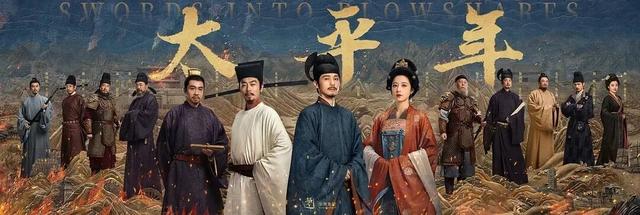
Core Viewpoint - The historical drama "Tai Ping Nian" has gained significant popularity, showcasing the lesser-explored Five Dynasties and Ten Kingdoms period, leading to a cultural phenomenon of viewers engaging with history through the series [1] Audience Engagement - The series has achieved a CVB rating exceeding 3% and has accumulated over 697 million views across platforms, with a Douban rating nearing 8 [1] - The drama has sparked a "补课式追剧" (catch-up viewing) trend, where audiences are motivated to learn history while watching [1] - The show has also driven tourism, with visitor numbers to related historical sites like Qian Wang Temple increasing by approximately 50% [1] Historical Context and Appeal - The rarity of dramas set in the Five Dynasties and Ten Kingdoms period provides a fresh perspective for viewers, contrasting with the more commonly depicted eras like the Han, Tang, and Ming dynasties [3] - The complexity of the historical narrative has attracted history enthusiasts, although some viewers find the initial episodes challenging due to the dense character introductions [3][5] Creative Adaptation - The series has faced scrutiny over historical accuracy, particularly regarding character portrayals and events, such as Zhao Kuangyin's involvement in the "Kaifeng Defense" [5] - The creative team emphasizes that while major historical facts must remain intact, there is flexibility in minor details to enhance storytelling [5] Industry Trends - The production of historical dramas has declined in recent years due to a lack of new literary works and regulatory policies like the "limit on ancient dramas" [7] - The success of "Tai Ping Nian" reflects a long-term investment in development, taking about 10 years to produce, contrasting with the rapid production cycles of short dramas [7] Cultural and Tourism Synergy - The collaboration between the drama's production team and local tourism authorities has been highlighted as a successful model, with proactive engagement leading to increased visitor traffic during the show's airing [12] - This approach encourages other regions to leverage local cultural heritage in conjunction with media productions to create tourism opportunities [12]
以“文心”铸史魂 《太平年》开辟历史正剧新叙事
Xin Lang Cai Jing· 2026-02-14 03:00
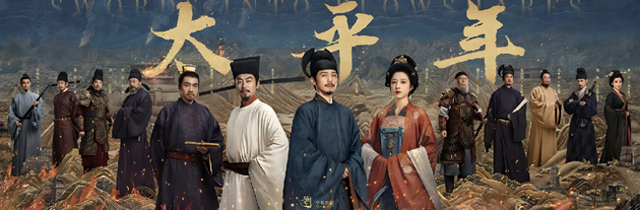
Core Insights - The article discusses the current state of Chinese historical drama, highlighting three main imbalances: uneven representation of historical dynasties, a significant decline in creative output since the early 2000s, and varying quality of productions [1] - The recent series "Tai Ping Nian" is noted as a high-quality historical drama, marking a significant achievement in the genre over the past decade [1] Group 1: Historical Context and Trends - Chinese historical dramas predominantly focus on the Han, Tang, Ming, and Qing dynasties, with a particular emphasis on Qing palace dramas [1] - The peak of historical drama creation occurred from the 1990s to the early 2000s, followed by a notable decline in the subsequent decade [1] - Quality varies widely, with some series like "Da Ming Wang Chao 1566" receiving high ratings (9.8 on Douban), while many others fail to meet basic standards [1] Group 2: Underrepresented Historical Periods - The article identifies the Two Jin and Northern and Southern Dynasties, as well as the Five Dynasties and Ten Kingdoms period, as chaotic yet narratively rich periods in Chinese history that remain underexplored in drama [3] - The lack of well-known heroic figures from these periods contributes to their neglect in historical drama adaptations [3] Group 3: "Tai Ping Nian" as a Case Study - "Tai Ping Nian" uniquely portrays the Five Dynasties and Ten Kingdoms period through the character Qian Hongchi, showcasing governance and societal issues during a time of turmoil [4] - The series emphasizes Qian's personal growth from a reckless prince to a responsible ruler, breaking traditional character molds in historical dramas [4] Group 4: Themes and Philosophical Depth - Unlike typical entertainment-focused dramas, "Tai Ping Nian" serves as a serious historical narrative reflecting on national and ethnic spirit through character choices in dire circumstances [6] - The series respects historical complexity, allowing for nuanced character portrayals rather than binary moral judgments [6] Group 5: Cultural Significance and Audience Engagement - The article argues that the essence of Chinese historical dramas lies in their ability to evoke a sense of duty and moral responsibility, which resonates deeply with audiences [9] - "Tai Ping Nian" encourages viewers to engage with history actively, fostering a culture of historical inquiry and discussion [11]
历史正剧何以强势回潮
Xin Lang Cai Jing· 2026-02-13 04:51
Core Viewpoint - The historical drama "Tai Ping Nian" has achieved significant success with a viewership rating exceeding 2.696%, highlighting the enduring appeal of historical dramas in the current television market [1] Group 1: Historical Drama Market Trends - The rise of "Tai Ping Nian" indicates a resurgence in high-quality historical dramas, contrasting with the previous trend of low-quality productions that often relied on superficial storytelling and star power [1][2] - Historical dramas have faced challenges due to high production costs and the shift towards more commercially viable content, leading to a decline in the quality of many productions [1][2] - Despite the dominance of low-quality productions, there remains a strong audience demand for well-crafted historical narratives, as evidenced by the renewed interest in classics like "Da Ming Wang Chao 1566" [2] Group 2: Production Insights - "Tai Ping Nian" benefited from a rigorous development process, with three years dedicated to script refinement and a total production cycle of five years, underscoring the commitment required for quality historical storytelling [2] - The current generation shows a strong affinity for traditional culture, providing a substantial market for historical dramas that are both authentic and engaging [2] Group 3: Creative Challenges and Opportunities - The balance between historical accuracy and artistic interpretation remains a critical focus in historical drama production, with the potential for creative tension to enhance the genre's appeal [3] - There is a need for a supportive environment for historical drama creators to thrive, free from undue criticism that may arise from misinterpretations of historical narratives [3] - The industry is encouraged to foster a new wave of high-quality historical dramas that can resonate with contemporary audiences while honoring the depth of China's rich history [3]
专访《太平年》导演:不去粉饰苦难,才能理解和平的脆弱
Di Yi Cai Jing· 2026-02-11 12:29
Core Insights - The series "Tai Ping Nian" has gained unprecedented attention for the relatively obscure historical period of the Five Dynasties and Ten Kingdoms, diverging from traditional historical dramas that focus on prominent figures [2][4] - The show has sparked widespread discussions on social media, with audiences engaging in historical analysis and character interpretations, indicating a shift in viewer engagement with historical narratives [2][4] - The director Yang Lei emphasizes the importance of portraying the harsh realities of history to maintain awareness of the fragility of peace, reflecting a commitment to meaningful storytelling [6][20] Audience Engagement - "Tai Ping Nian" has achieved a market share of 18.8% since its premiere on January 27, with a peak national rating of 3.175% during prime time [4] - The series has prompted viewers to actively research historical events and figures, leading to a vibrant online community discussing the show's content [2][21] - The director notes that the initial controversies surrounding the show have transformed into positive discussions, indicating a successful engagement with the audience [21] Creative Approach - The production team undertook extensive historical research to ensure authenticity in the portrayal of characters and events, aiming to create a realistic historical environment [19] - Yang Lei's creative philosophy prioritizes meaningful storytelling over mere emotional manipulation, advocating for a balance between historical accuracy and dramatic interpretation [20] - The series features over 230 named characters, each contributing to the narrative's depth and complexity, with a focus on the significance of every individual in the historical context [9][11] Character Development - The character of Feng Dao, who navigates multiple dynasties, serves as a central figure, embodying the complexities of governance during chaotic times [14] - The portrayal of various historical figures, including Zhao Kuangyin and Guo Wei, highlights their struggles and aspirations for peace amidst turmoil, enriching the narrative [15][16] - The director emphasizes the importance of each character's contribution to the overarching theme of the quest for order and peace, reinforcing the idea that "no one is unimportant" in history [11][14] Future Implications - The success of "Tai Ping Nian" may encourage more productions to explore similar historical themes, potentially reshaping market perceptions of historical dramas [21] - Yang Lei believes that the acceptance of this series indicates a broader societal and commercial value for meaningful historical storytelling, paving the way for future projects [21] - The show's ability to resonate with audiences suggests a growing appetite for content that combines entertainment with educational value, challenging the industry's focus on immediate emotional gratification [20][21]
《太平年》热播:以“纳土归宋”为脉,照见“天下太平”之愿
Xin Lang Cai Jing· 2026-02-08 06:09
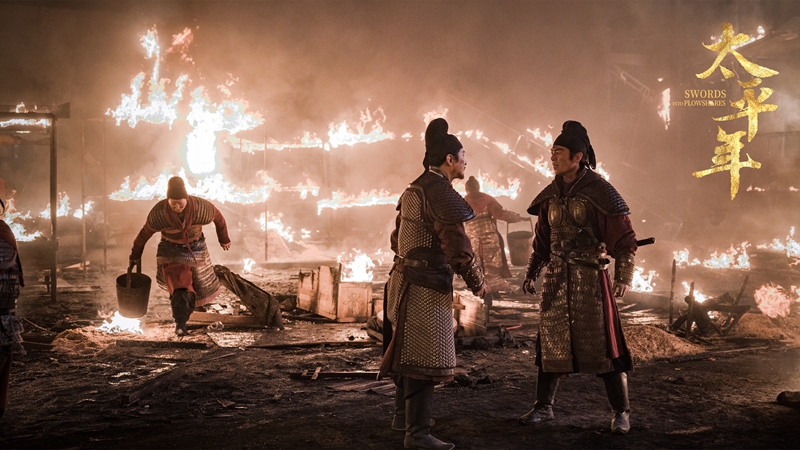
Core Viewpoint - The historical drama "Tai Ping Nian" has gained significant attention for its unique focus on the relatively obscure period of the Five Dynasties and Ten Kingdoms, presenting a narrative that transcends traditional historical war dramas and emphasizes the resilience of civilization [1][3] Group 1: Historical Context and Narrative - "Tai Ping Nian" explores the historical "blank space" of the Five Dynasties and Ten Kingdoms, a period characterized by frequent regime changes and sparse historical records, which has often been overlooked in film and television [1][2] - The narrative framework of the series is built around two generations, with older characters like Feng Dao and Guo Wei representing the struggle to maintain order in chaotic times, while younger figures like Qian Hongchu and Zhao Kuangyin embody the ideals of the new era [1][2] Group 2: Production and Realism - The production team established a "realistic historical drama" direction from the outset, with a focus on meticulous historical research, as emphasized by director Yang Lei, who aims to recreate the authentic atmosphere of the Five Dynasties [2] - The series features an extensive set design of 38,000 square meters and over 8,000 costumes, with individual armor sets weighing over 40 pounds and consisting of 2,800 pieces, showcasing a commitment to detail [2] Group 3: Character Development and Themes - The character development in "Tai Ping Nian" is notable, with over 230 named characters, each treated as a vital part of history, allowing for a rich exploration of their stories and motivations [2] - The series elevates historical events into broader inquiries about civilization, focusing on themes such as the importance of the common people and the pursuit of peace, resonating with contemporary audiences [3]
表现乱世中对“太平”的渴望
Xin Lang Cai Jing· 2026-02-06 21:01
Core Viewpoint - The historical drama "Tai Ping Nian" has gained significant attention for its focus on the lesser-explored period of the Five Dynasties and Ten Kingdoms, demonstrating that niche historical themes can attract audiences despite market risks [3][5]. Group 1: Historical Context and Audience Engagement - Recent impactful historical dramas have primarily focused on well-known dynasties such as Han, Tang, Song, Ming, and Qing, making them easier for audiences to connect with [3]. - The Five Dynasties and Ten Kingdoms period is characterized by its short duration and chaotic political landscape, which has resulted in a weaker presence in public memory and fewer adaptations [3][5]. Group 2: Artistic Expression and Character Development - The essence of artistic works lies in the expression of thoughts and human nature, which is independent of the popularity of the subject matter [4]. - "Tai Ping Nian" effectively portrays the struggles and choices of historical figures like Qian Hongchu and Zhao Kuangyin, creating relatable and emotionally resonant characters [4][6]. Group 3: Production Quality and Innovation - The production team invested significant effort in historical research, creating over 550 real-life scenes and designing more than 8,000 costumes to ensure historical authenticity [5]. - The series employs innovative storytelling techniques, focusing on the aspirations for peace among different social classes during chaotic times, rather than emphasizing the brutality of war [5]. Group 4: Historical Accuracy and Creative Freedom - While "Tai Ping Nian" has faced criticism for its historical adaptations, the creative team argues that reasonable modifications are necessary for narrative flow, acknowledging the subjective nature of historical interpretation [6]. - The series exemplifies the challenge of balancing historical fidelity with artistic creativity, highlighting the importance of thoughtful engagement with history in drama [6].
专家谈《太平年》:历史剧的价值在于当代回响
Xin Lang Cai Jing· 2026-02-05 07:52
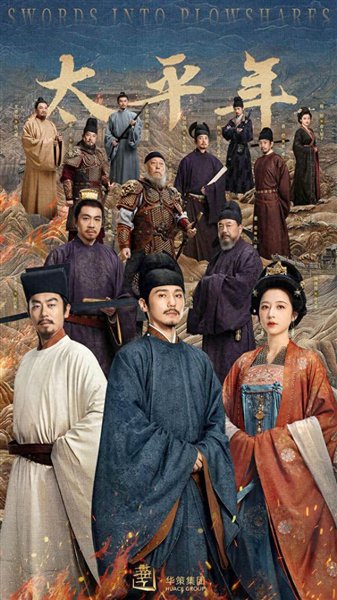
Core Viewpoint - The recent popularity of the historical drama "Tai Ping Nian" has sparked discussions about the relationship between reality and fiction in historical dramas, emphasizing that the core value of such creations lies in their ability to engage contemporary audiences with history and facilitate its transmission [1][3]. Group 1: Historical Drama and Public Engagement - The creation of "Tai Ping Nian" serves a clear creative direction, where its fictional elements aim to convey historically relevant insights that resonate with modern audiences [1][3]. - The drama's approach contrasts with commercially driven historical dramas, highlighting different starting points and objectives, which should not be simply compared [3]. - The balance between authenticity and artistic expression in historical narratives is crucial, with the goal of making complex historical periods accessible to the public [3][5]. Group 2: Historical Representation and Interpretation - Despite significant fictionalization of characters and events, "Tai Ping Nian" effectively brings to light key historical frameworks and complexities of the Five Dynasties period, making historical themes more relatable [5][6]. - The portrayal of characters, such as Sun Chengyou, while diverging from historical facts, successfully connects themes of governance and public welfare, conveying the essence of that historical period [5][6]. - The drama has stimulated widespread discussions on social media regarding the Five Dynasties history and the standards of historical evaluation, exemplifying the "activation" of history [5][6]. Group 3: Perspectives on Historical Narratives - Any historical narrative is inherently influenced by the narrator's perspective, making "absolute truth" unattainable and unnecessary for public dissemination [5][6]. - Different forms of historical narratives, such as "Romance of the Three Kingdoms" and "Records of the Three Kingdoms," serve distinct functions and contexts, illustrating the diversity of historical interpretation [5][6]. - The potential for historical dramas to stimulate interest and cultural identity is significant, as long as they establish a reliable historical framework, allowing for deeper exploration of historical themes [5][6].
丰厚历史文化遗产这样“入戏”(面对面)
Ren Min Ri Bao· 2026-01-29 02:00
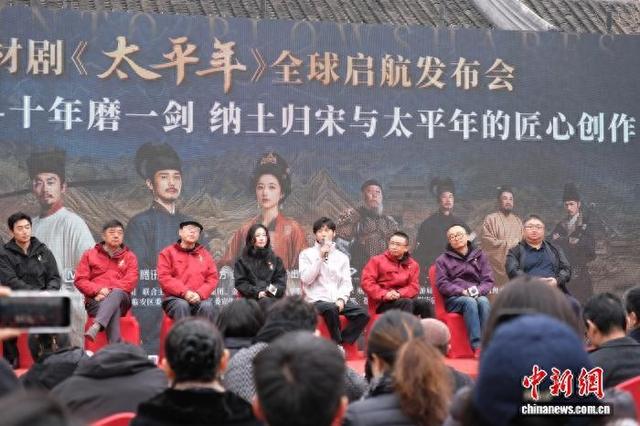
Core Viewpoint - The ongoing TV drama "Tai Ping Nian" has sparked widespread public interest in the historical period of the Five Dynasties and Ten Kingdoms, showcasing the historical achievements of figures like Wu Yue King Qian Hongchu and Song Taizu Zhao Kuangyin in unifying the nation [2][3] Group 1: Historical Context and Significance - The drama highlights a critical period in Chinese history, emphasizing the transition from chaos to unity, encapsulated in the concept of "Na Tu Gui Song" (returning land to Song) [4][5] - The narrative reflects the deep cultural heritage of China, portraying the aspirations for peace and unity that resonate with the values of Chinese civilization [5][6] Group 2: Production and Artistic Approach - "Tai Ping Nian" is produced with high technical standards, utilizing 8K ultra-high-definition technology and involving over 40,000 personnel, indicating a significant investment in quality [2][4] - The creators aim to balance historical accuracy with artistic expression, allowing for a more immersive experience while maintaining the integrity of historical events [6][7] Group 3: Collaboration Between Historians and Creators - The production benefits from a collaborative mechanism between historical experts and creative teams, ensuring that historical research informs the artistic narrative [9][10] - This partnership aims to overcome the challenges of accurately depicting complex historical events and figures, enhancing the educational value of the drama [8][9]
历史剧何以持续吸引观众
Xin Lang Cai Jing· 2026-01-25 19:17
Core Viewpoint - The historical drama "Tai Ping Nian" officially premiered on January 23, 2024, and is supported by the Ministry of Culture and the National Radio and Television Administration, focusing on the historical narrative of the Wu-Yue Kingdom during the Five Dynasties and Ten Kingdoms period, highlighting the character of Qian Hongchu and his contributions to achieving peace in the realm [2][3][4]. Group 1: Historical Narrative - "Tai Ping Nian" narrates the story of Qian Hongchu, who grows into a responsible leader during a tumultuous historical period, ultimately aiding in the unification under the Northern Song Dynasty [3]. - The series explores the relationships between historical figures such as Qian Hongchu, Zhao Kuangyin, and Guo Rong, emphasizing their difficult choices amidst the historical upheaval [3][4]. - The narrative structure is designed to reflect the transition from chaos to peace, encapsulating the governance of the Wu-Yue Kingdom and the political changes in the Central Plains [3]. Group 2: Production Quality - The production team invested years in historical research, creating over 550 diverse sets and designing more than 8,000 costumes to ensure historical accuracy [4]. - The series employs ultra-high-definition technology to present a cinematic quality, vividly depicting historical scenes and landscapes [4]. - Directed by Yang Lei, known for "The Three-Body Problem," the series aims to portray the individual desires for peace during chaotic times through meticulous historical research [4]. Group 3: Thematic Focus - Unlike previous historical dramas that often center on palace intrigue and warfare, "Tai Ping Nian" emphasizes the profound significance of the decision to "return the land to Song" made by Qian Hongchu, reflecting a deep commitment to the welfare of the people [5]. - The choice of historical period, the Five Dynasties and Ten Kingdoms, is significant as it represents a time of instability, yet the Wu-Yue Kingdom maintained relative peace and prosperity under the Qian family [5][6]. - The series aims to avoid stereotypical portrayals of characters, focusing instead on the complex relationships and motivations of over 200 named characters [8][9]. Group 4: Future Prospects - The success of "Tai Ping Nian" may set a precedent for future historical dramas, with several projects already in the pipeline, indicating a potential resurgence in the genre [9].