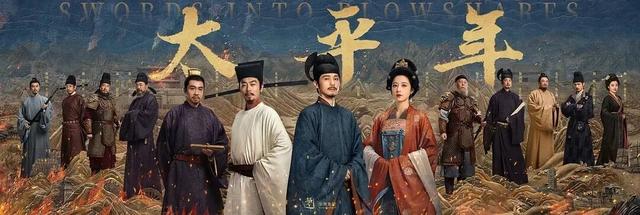
《太平年》

Search documents
在AI和短剧冲击下,影视长剧向何处去?
第一财经· 2026-03-14 12:49
Core Viewpoint - The Chinese film and television industry is at a critical juncture, facing challenges from short dramas and AI technology, which is reshaping the creative process and production methods. The consensus among industry professionals is that the future will depend on maintaining content integrity and aesthetic leadership rather than viewing AI and short dramas as threats [3][5]. Group 1: AI as a Major Variable - AI is defined as the biggest variable in the current landscape, drastically lowering production costs and timelines, allowing for smaller teams to create content [5]. - The traditional barriers to entry in the film industry are being dismantled, enabling individuals with creativity and talent to emerge without the need for extensive formal training or experience [5]. - Existing production relationships and distribution channels must be re-evaluated in light of the abundance of content being produced [5]. Group 2: The Role of Narrative and Emotion - The emotional weight and narrative depth of long dramas must be preserved in an era where anyone can produce videos quickly [6]. - Unique life experiences of creators are essential for creating impactful content, as AI can generate material but lacks direction and emotional depth [6]. Group 3: Platform Strategies - Major platforms like Tencent and iQIYI are adapting by integrating AI into their production processes and focusing on long-term value through IP development and narrative quality [7]. - iQIYI emphasizes the importance of emotional resonance and narrative density, advocating for tighter storytelling and character development [7]. Group 4: Quality Content and Audience Engagement - Despite industry challenges, high-quality productions like "The Three-Body Problem" and "Celebrating the Year" continue to achieve significant viewership, indicating a demand for quality content [9]. - "The Three-Body Problem" achieved an average viewership rating of 2.490%, marking it as the highest-rated historical drama since 2018 [9]. Group 5: Long-Term Vision and Cultural Focus - Companies like Huace Film and Television emphasize the importance of patience and dedication to quality storytelling, with a focus on cultural themes and historical narratives [10][12]. - Huace plans to explore various themes, including traditional culture and human emotions, while also integrating cross-industry collaborations to enhance content value [12]. Group 6: The Unchanging Desire for Good Stories - The industry is forming a consensus that while technology can alter production methods, it cannot replace the emotional connections that good storytelling fosters [12]. - The greatest variable remains AI, but the enduring certainty is the human desire for compelling narratives [12].


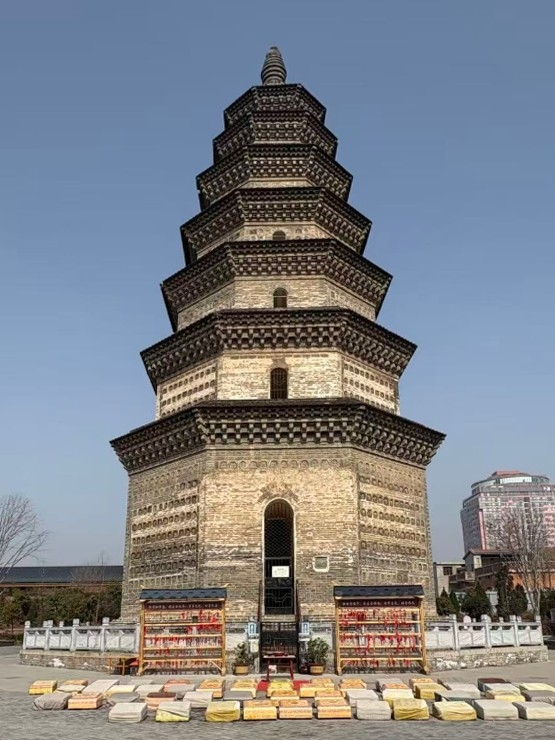
《太平年》热播,记者探访吴越钱氏纳土归宋后与南阳邓州的前尘往事 千年寺塔背后的家国情
He Nan Ri Bao· 2026-02-26 23:14
Core Viewpoint - The historical narrative of the Wu-Yue Kingdom and its last ruler Qian Hongchu is being revived through the popular TV series "Tai Ping Nian," highlighting his contributions to governance and the legacy of the Qian family in Nanyang [1][6]. Historical Context - The Wu-Yue Kingdom, under Qian Hongchu, is depicted as a stabilizing force during the chaotic Five Dynasties and Ten Kingdoms period, which saw 14 emperors in just 53 years [1][3]. - Qian Hongchu's submission to the Song Dynasty in 978 AD was a significant moment, leading to his recognition and the relocation of over 3,000 members of the Qian clan to Kaifeng [3][4]. Governance and Contributions - After his submission, Qian Hongchu was appointed as the King of Nanyang, where he implemented various governance measures, including improving local administration and infrastructure [4][6]. - His governance left a lasting impact, with historical sites like the Fusheng Pagoda in Nanyang serving as a testament to his contributions [4][5]. Cultural Legacy - The Qian family's teachings emphasize a sense of national duty and collective benefit, which continues to inspire descendants today [7][8]. - The revival of interest in Qian Hongchu's legacy through media and local history reflects the importance of historical narratives in shaping cultural identity [6][8].
新春走基层|年轻人解锁新春访古游,《太平年》带热冷门古迹
2 1 Shi Ji Jing Ji Bao Dao· 2026-02-25 13:06
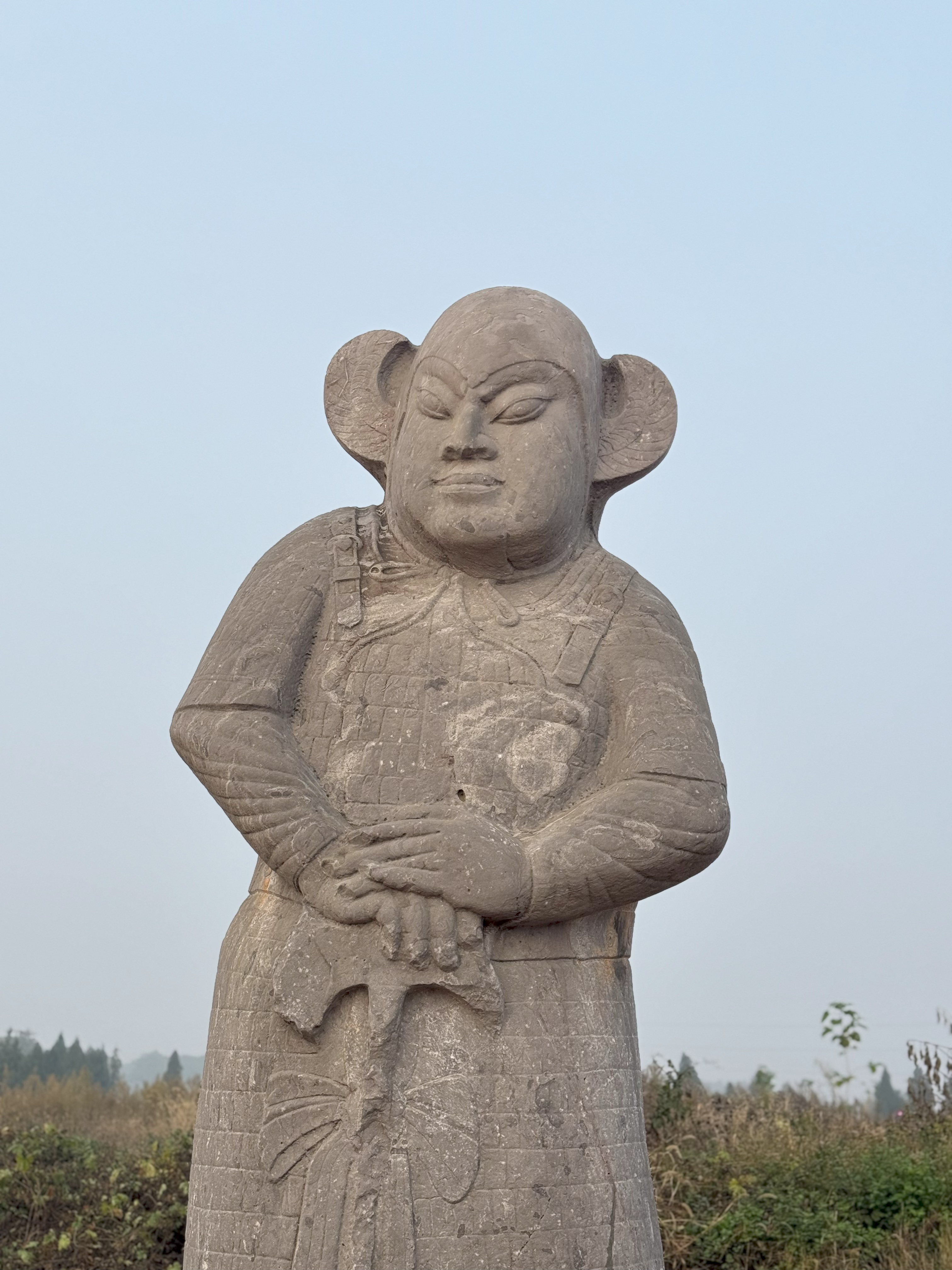
Core Viewpoint - The rise of "visiting ancient sites" among young people is becoming a popular trend during the Spring Festival, driven by cultural IPs and historical dramas that bring lesser-known historical locations into the spotlight [1][6][14]. Group 1: Cultural and Historical Significance - The historical drama "Tai Ping Nian" has garnered significant attention, leading to increased interest in historical figures and events from the Five Dynasties and Ten Kingdoms period, making previously niche historical topics mainstream [6][14]. - Various ancient tombs from the Five Dynasties and Northern Song periods, such as the tombs of Emperor Guo Wei and Emperor Zhao Kuangyin, are now attracting visitors who seek a deeper connection with history [5][11][12]. Group 2: Tourism and Economic Impact - Local tourism departments are capitalizing on the popularity of historical dramas by promoting themed tours, such as the "Tai Ping" special train that offers guided visits to significant historical sites [12][13]. - The influx of visitors to these ancient sites has led to improved local infrastructure and cleanliness, enhancing the overall visitor experience and boosting local economies [6][18]. Group 3: Changing Visitor Demographics - The trend of "visiting ancient sites" is shifting from being an activity for scholars and experts to a popular pursuit among younger generations, who are increasingly seeking authentic and uncommercialized historical experiences [14][15]. - Social media plays a crucial role in this trend, as young visitors share their experiences and tips online, fostering a community around the exploration of lesser-known historical sites [17].
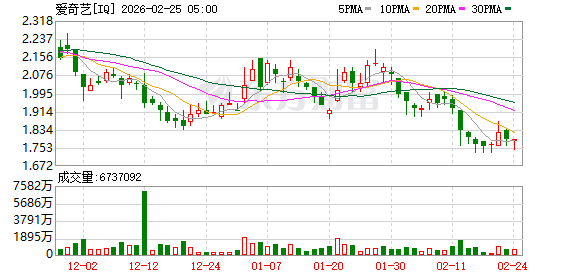
爱奇艺发布马年春节大数据:大屏端用户日均观看时长环比节前增长13%
Guang Zhou Ri Bao· 2026-02-25 07:49
Core Insights - The popularity of cinema during the Spring Festival has led to a surge in online viewership, with iQIYI's movie channel experiencing a 44% increase in average daily viewing time compared to the pre-holiday period [5] - Users are increasingly engaging with immersive content, such as AI interactions and themed parks, indicating a shift towards a more interactive entertainment experience [1][6] Group 1: Movie and Series Performance - The film "Flying Life 3" topped the box office, driving significant increases in viewership for its predecessors, with "Flying Life 2" seeing a 371% rise and "Flying Life 1" a 591% increase in daily viewing time [5] - The series "Years of Emotion" achieved a peak heat value exceeding 8000 after its release, entering the "Hall of Good Films" [4] - The series "What Kind of Body" became a standout during the festival, topping the drama channel with both daily viewing time and heat value [4] Group 2: User Engagement and Content Trends - The use of classic IPs remains strong, with shows like "Journey to the West" and "Romance of the Three Kingdoms" seeing viewing time increases of 36% and 12% respectively [2] - The interactive experience at iQIYI's theme park in Yangzhou has attracted over 3 million user interactions, with a notable increase in visitor numbers [1] - The comedy variety show "Tonight's Happy Friends Show" quickly rose to the second spot in the variety channel rankings during the festival [3] Group 3: Overall Viewing Trends - iQIYI's overall user viewing time continued to grow during the Spring Festival, with a 13% increase in daily viewing time on large screens [4] - The variety channel saw a dramatic 256% increase in daily viewing time, driven by popular shows and events [4] - The short drama channel also experienced an 18% year-on-year increase in user viewing time during the festival [5]

9天接待超1974万游客 消费总额破177亿元 杭州新春消费市场“马力全开”
Mei Ri Shang Bao· 2026-02-24 13:24
Core Insights - The article highlights the significant increase in tourism and consumption in Hangzhou during the Spring Festival, driven by the popularity of the TV drama "Tai Ping Nian" [1][2][3] Tourism and Visitor Statistics - Hangzhou received 19.74 million visitors during the Spring Festival, a year-on-year increase of 29.39%, generating tourism revenue of 12.71 billion yuan, up 26.1% [1] - Approximately 10.53 million visitors were from outside Hangzhou, averaging 1.17 million visitors per day, marking a 21% increase year-on-year [1] - The Wang Yuyuan Temple, featuring a special exhibition related to "Tai Ping Nian," attracted over 100,000 visitors, a 45% increase compared to the previous year [3] Consumption Trends - Total consumption across five major sectors (wholesale, retail, catering, accommodation, and entertainment) reached 17.75 billion yuan, a 7.6% increase year-on-year [1] - The hotel occupancy rate in Zhejiang increased by nearly 70%, and flight bookings rose by over 30% during the holiday [4] - External consumption in Hangzhou reached 3.167 billion yuan, a 27.3% increase year-on-year [4] Cultural and Thematic Activities - The city launched a series of activities themed around "Tai Ping Nian," including special bus routes and interactive experiences at historical sites, which attracted 363,000 participants [2] - Various districts in Hangzhou introduced themed tours and exhibitions, enhancing the historical experience for visitors [3] Technological Integration - The integration of technology in shopping experiences, such as AI shopping and digital interactions, significantly enhanced consumer engagement during the festival [6] - Sales of smart products, including ROKID smart glasses, saw a remarkable increase of 580% [6] Government Initiatives - The local government issued over 600 million yuan in consumer vouchers, stimulating spending in the tourism and retail sectors [7] - The "old for new" policy led to significant sales in the electric vehicle sector, with orders doubling compared to the previous year [7] Dining and Local Experiences - Restaurant consumption reached 3.845 billion yuan, a 15% increase year-on-year, with many restaurants fully booked for family gatherings [8] - Various cultural and traditional activities attracted significant tourist interest, contributing to the overall festive atmosphere [8]
在非遗光影中寻根 于科技幻境里欢腾
Hang Zhou Ri Bao· 2026-02-24 02:45
Group 1 - The article highlights the vibrant cultural activities and tourism growth in Hangzhou during the recent Spring Festival, showcasing a blend of traditional customs and modern experiences [6][11][13] - Various attractions, such as the immersive VR experience at Feixue Mountain Residence and the interactive robot performances at Ling Mountain Scenic Area, have significantly increased visitor numbers [11][12] - The "Taiping Year" themed tourism routes in Yuhang and Xiaoshan have successfully attracted tourists by connecting historical sites and cultural experiences, leveraging the popularity of the related TV drama [9][10] Group 2 - The tourism sector in Hangzhou has seen a substantial increase in visitor numbers, with specific sites like Qianwangling and Yijincheng Museum reporting up to 5,000 visitors daily during the festival, marking a 50-70% increase compared to usual [8][12] - The total number of visitors to the Qianwangling area reached nearly 200,000 during the Spring Festival, reflecting a growing interest in cultural heritage and local history [8][13] - Xiaoshan district recorded 3.036 million visitors during the holiday, a year-on-year increase of 8.6%, with a notable 46.9% of visitors coming from outside the province [13][14]
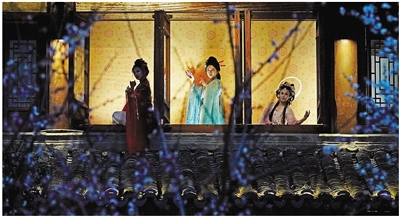
(新春走基层)《太平年》热播 民众打卡杭州西湖感受吴越文化
Xin Lang Cai Jing· 2026-02-23 13:30
Group 1 - The core viewpoint of the article highlights the increase in tourism at historical sites in Hangzhou, such as Qianwang Temple and Leifeng Pagoda, due to the popularity of the TV drama "Taiping Nian" [2][9][11] - Tourists are engaging with the cultural heritage of the Wu-Yue region, as they visit these sites to experience the historical context depicted in the drama [2][7][8] - The article notes that the drama's influence has led to a resurgence in interest in local history and culture, as evidenced by the number of visitors at these landmarks [2][4][6]
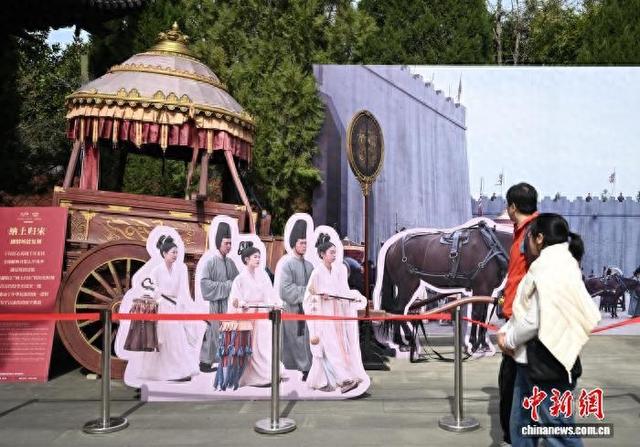
新春旅途“剧”精彩
Xin Lang Cai Jing· 2026-02-20 07:17
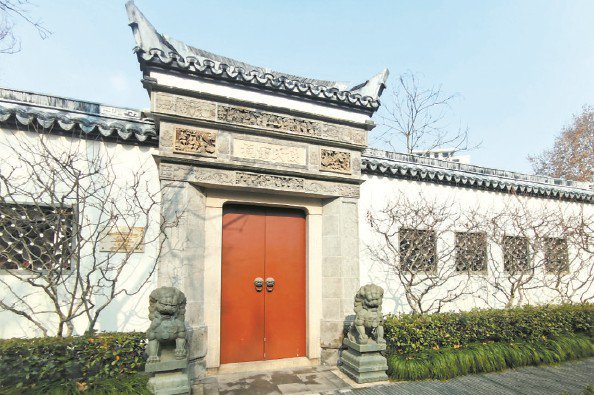
Core Insights - The integration of film and tourism has become a significant trend during the Spring Festival, with movies like "Flying Life 3" and the historical drama "Taiping Year" driving cultural tourism in various regions [3][4][5] Group 1: Film Impact on Tourism - The movie "Flying Life 3" has achieved both box office success and positive reviews, showcasing numerous Shanghai landmarks, which has led to increased tourist visits to these locations [3] - The film's scenic locations, including the highland canyons of Ganzi, Qinghai's remote bends, and industrial sites in Ningbo, have garnered significant attention, enhancing local tourism [3] - "Taiping Year" has stimulated cultural tourism in both Shanghai and Zhejiang, with sites like the Qian Family Ancestral Hall and Wang's Shrine becoming popular tourist destinations [4] Group 2: Broader Cultural Tourism Trends - Various films have revitalized local tourism markets, with initiatives in Shandong promoting patriotic education through film-related activities [5] - The concept of "film + tourism" has evolved into a deeper integration phase, with proactive measures taken by regions like Zhejiang to promote tourism alongside film releases [5] - The emotional narratives provided by films enrich the cultural significance of tourist sites, transforming visitors from mere spectators into participants in the stories [5]
应警惕《太平年》式的“智慧”
虎嗅APP· 2026-02-19 09:20
Core Viewpoint - The article discusses the success of the drama "Tai Ping Nian," highlighting its unique narrative style and the historical context it portrays, while also critiquing its approach to storytelling and character development [5][22]. Summary by Sections Historical Context and Themes - The drama "Tai Ping Nian" reflects on the tumultuous period of the Five Dynasties and Ten Kingdoms, emphasizing the struggles and aspirations of people living in chaotic times, which resonates with modern audiences [6][12]. - The narrative explores the duality of peace and chaos, showcasing the fragile nature of stability in the Wu-Yue Kingdom amidst external threats and internal conflicts [12][13]. Narrative Techniques - The show employs a dual narrative structure, contrasting the chaotic power struggles in the central plains with the seemingly stable yet internally conflicted Wu-Yue Kingdom [12]. - The use of "strange history" and "strong stimulation" in storytelling captures audience attention, making historical events feel fresh and engaging [8][9]. Character Development - Key characters like Feng Dao and Zhang Yan Ze are designed to embody the themes of the narrative, but their development raises questions about coherence and depth in storytelling [11][14]. - The portrayal of historical figures is critiqued for being overly simplistic, reducing complex historical events to personal relationships and moral choices [16][17]. Critique of Artistic Approach - The article warns against the superficiality of the drama's success, suggesting that it prioritizes entertainment over meaningful historical representation [19][20]. - It highlights the danger of creating a narrative that sacrifices historical accuracy for dramatic effect, leading to a diluted understanding of the past [21][22].
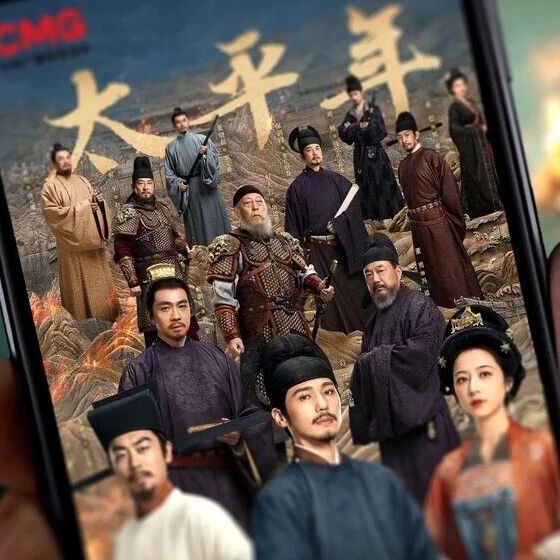
董涛:从《太平年》看历史剧创作生产
Xin Lang Cai Jing· 2026-02-19 04:32
Group 1 - The historical drama "Taiping Year" has gained popularity, focusing on the theme of "peace and unity" during the Five Dynasties and Ten Kingdoms period, resonating with audiences on historical culture and national unity [2] - The show has been distributed in over 70 countries and regions globally, indicating its increasing international appeal [2] - "Taiping Year" serves as a valuable example for contemporary historical drama production, showcasing effective thematic expression and creative methods [2] Group 2 - Historical dramas can be categorized into serious historical dramas and legendary historical dramas, with the former focusing on significant events and figures, while the latter allows for more artistic imagination [3] - Recent successful historical dramas have transcended mere storytelling, becoming important cultural carriers that connect collective memory with contemporary spirit [3][7] - The creation of historical dramas requires a balance between factual accuracy and artistic fiction, adhering to the principle of "big events not fictionalized, small events not restricted" [7] Group 3 - The creation of historical dramas should be guided by a correct historical perspective, avoiding nihilism and ensuring respect for historical facts [5] - "Taiping Year" involved collaboration with authoritative historians to ensure historical accuracy and relevance, reflecting a commitment to cultural responsibility [5] - The production emphasizes the importance of meticulous research and craftsmanship, avoiding mechanical and formulaic approaches to create culturally rich works [8] Group 4 - Effective dissemination of historical dramas is crucial, requiring a dynamic approach to engage audiences and enhance cultural understanding [9] - Domestic and international dissemination strategies should be developed to overcome cultural barriers and ensure the stories resonate with diverse audiences [9] - The role of historical dramas in enhancing national cultural soft power and fostering cultural confidence is significant, necessitating high-quality content and innovative communication methods [10]