和平崛起

Search documents
雁默:“万国来朝”,不代表中国终将“等到天下”
Guan Cha Zhe Wang· 2026-02-06 00:12
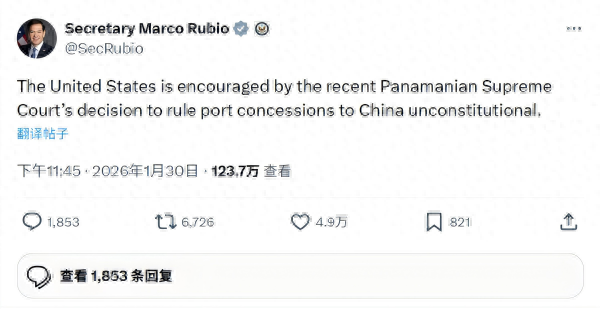
Group 1 - In January 2026, five foreign leaders visited China, signaling a potential shift in global diplomatic dynamics, yet China's overseas initiatives face significant challenges [1][2] - The concept of "peaceful rise" is being re-evaluated, as historical precedents suggest that no major power has achieved dominance without conflict [1][2] - The current geopolitical landscape is likened to the late Spring and Autumn period in Chinese history, indicating a complex and potentially unstable international order [2][3] Group 2 - The classification of countries into "great powers" and "middle powers" is under scrutiny, with the distinction affecting China's diplomatic strategies [4][5] - The definition of "middle powers" includes countries with GDPs ranked 10th to 30th globally and military expenditures in the top 15 to 30, suggesting a broad range of nations fitting this category [5] - The absence of traditional great powers in the current landscape raises questions about China's strategic positioning and the implications for international relations [4][6] Group 3 - Recent events, such as the Panama court ruling affecting Chinese operations, highlight the geopolitical tensions and challenges faced by China in maintaining its overseas interests [7][8] - The U.S. has employed aggressive tactics to undermine China's influence in Latin America, complicating China's long-term strategies in the region [8][9] - The dynamics of U.S.-China relations are characterized by competition, with both nations vying for influence over middle powers and smaller nations [10][11] Group 4 - Middle powers are increasingly seeking flexible alliances to navigate the pressures from both the U.S. and China, indicating a shift in their diplomatic strategies [12][13] - The reliance of middle powers on the U.S. complicates their ability to assert independence, as seen in Canada's recent diplomatic maneuvers [11][12] - The concept of "peaceful rise" is challenged by the necessity of military readiness, suggesting that diplomatic efforts must be backed by credible defense capabilities [16][17]