
中等强国

Search documents
雁默:“万国来朝”,不代表中国终将“等到天下”
Guan Cha Zhe Wang· 2026-02-06 00:12
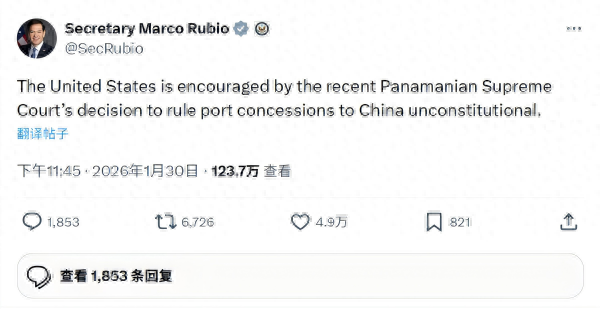
Group 1 - In January 2026, five foreign leaders visited China, signaling a potential shift in global diplomatic dynamics, yet China's overseas initiatives face significant challenges [1][2] - The concept of "peaceful rise" is being re-evaluated, as historical precedents suggest that no major power has achieved dominance without conflict [1][2] - The current geopolitical landscape is likened to the late Spring and Autumn period in Chinese history, indicating a complex and potentially unstable international order [2][3] Group 2 - The classification of countries into "great powers" and "middle powers" is under scrutiny, with the distinction affecting China's diplomatic strategies [4][5] - The definition of "middle powers" includes countries with GDPs ranked 10th to 30th globally and military expenditures in the top 15 to 30, suggesting a broad range of nations fitting this category [5] - The absence of traditional great powers in the current landscape raises questions about China's strategic positioning and the implications for international relations [4][6] Group 3 - Recent events, such as the Panama court ruling affecting Chinese operations, highlight the geopolitical tensions and challenges faced by China in maintaining its overseas interests [7][8] - The U.S. has employed aggressive tactics to undermine China's influence in Latin America, complicating China's long-term strategies in the region [8][9] - The dynamics of U.S.-China relations are characterized by competition, with both nations vying for influence over middle powers and smaller nations [10][11] Group 4 - Middle powers are increasingly seeking flexible alliances to navigate the pressures from both the U.S. and China, indicating a shift in their diplomatic strategies [12][13] - The reliance of middle powers on the U.S. complicates their ability to assert independence, as seen in Canada's recent diplomatic maneuvers [11][12] - The concept of "peaceful rise" is challenged by the necessity of military readiness, suggesting that diplomatic efforts must be backed by credible defense capabilities [16][17]

丁工:中等强国更需守护多边主义
Xin Lang Cai Jing· 2026-01-26 23:12
Core Viewpoint - The world has entered a new era of great power competition filled with risks, and middle powers need to unite for survival, as stated by Canadian Prime Minister Mark Carney at the Davos World Economic Forum [1] Group 1: Definition and Role of Middle Powers - Middle powers are defined as countries with political, economic, and military strength that positions them in the "middle tier" of the international system, having significant influence and status, but less than major powers [1] - Examples of middle powers include developed countries like Canada, Italy, South Korea, and Australia, as well as global South countries like Indonesia, Turkey, South Africa, and Egypt [1] - Middle powers can influence the shape and nature of the international system within a relatively limited scope, acting as the "neck" of the international system, which is crucial for maintaining it [1] Group 2: Strategies of Middle Powers - Middle powers, lacking the capacity for unilateral action, tend to rely on multilateral mechanisms and international cooperation to mitigate their limitations and protect their interests [2] - They enhance their influence and voice in rule-making through multilateral frameworks, which are foundational to their foreign policy [2] - The current international order's development is closely linked to the existence of middle powers, which increasingly play a significant role in international affairs [2] Group 3: Challenges and Opportunities - The unilateral and power-centric foreign policy of major powers, particularly the U.S., threatens the credibility of multilateral mechanisms, potentially diminishing the influence of middle powers [3] - Middle powers maintain a relatively neutral or flexible stance in international affairs, seeking a strategy of autonomous and balanced diplomacy, which allows them to avoid direct conflicts with major powers [3] - The challenges facing the current international order may present unique opportunities for middle powers to seek greater autonomy and influence [3] Group 4: Future Directions for Middle Powers - Middle powers are likely to adopt more autonomous foreign policies and leverage their leadership in specific "specialized" issues to establish functional coalitions and multilateral cooperation [4] - By leading in certain technical areas, middle powers aim to contribute to the maintenance of multilateralism and enhance the stability of the international system [4]