哀伤研究

Search documents
爱一个人多久,哀伤就会多久
Hu Xiu· 2025-09-05 11:39
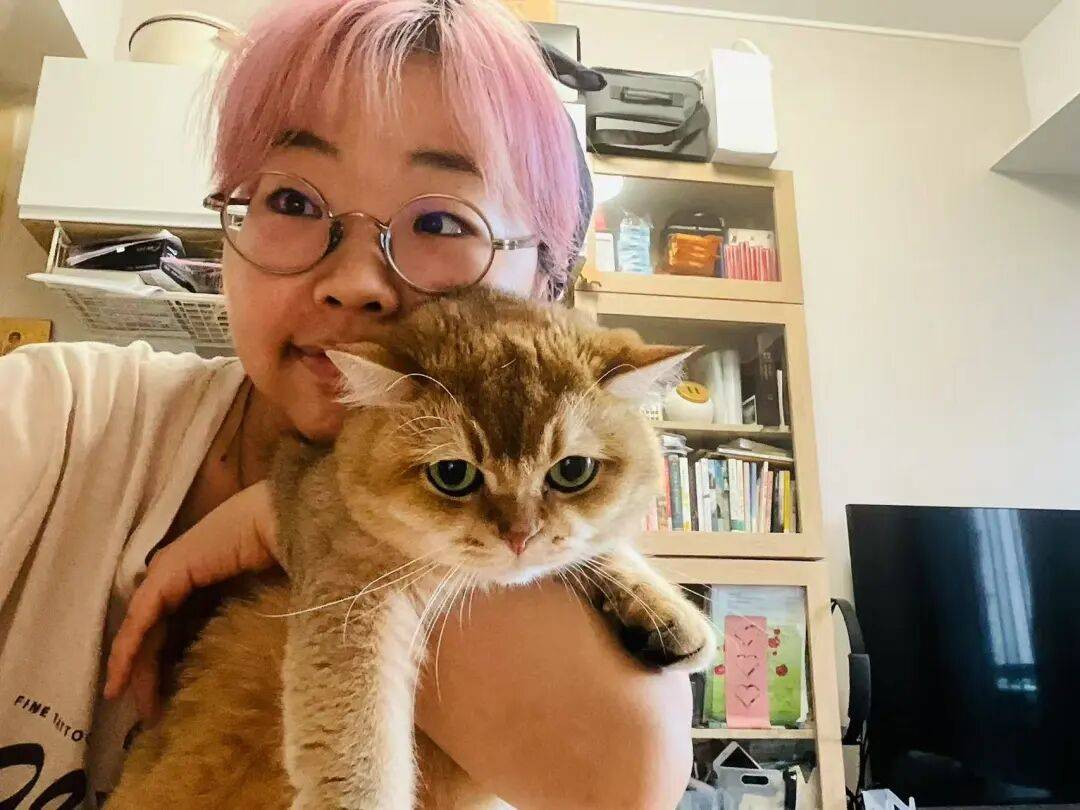
"当死亡选择了你的至亲时,你毫无还手之力;而哀伤自此隐秘地萦绕于心,随着时间流逝,甚至让你疑惑自己是不是不正常,为什么过了这么久还在痛 苦?" 李昀鋆是香港中文大学社工系博士后,在香港中文大学读博期间,她将哀伤作为研究方向,与44位经历过父母离世的年轻子女进行了访谈。 可以说,这是一项过去被长久忽视的研究。她发现,主流的哀伤研究大多将注意力放在丧子父母或丧偶伴侣上,人们常常忘记年轻人也会经历哀伤。今年 三月,这项研究得以出版成书:《与哀伤共处:经历父母离世的年轻子女们》。 实际上,处于"成人初显期"的年轻人们一方面正在尝试独立,另一方面,他们对父母的依赖依然很深。这种"一边长大一边失去"的冲击常常是他们人生中 第一次深刻地接触死亡,而这样的伤痛可能被大大低估了。 在他们的实际哀伤经验中,时间并没有疗愈一切。 而这体悟也是她本人所经历的。在这本书中,李昀鋆的第一句自我介绍是:一位为母亲离世而哀伤的女儿。在过去,不论是因为社会语境对"哀伤"的回 避,还是学术研究对"客观"的要求,她曾长期隐瞒自己丧亲者的身份——2014年,她失去了自己的母亲。 那段时间里,她感觉自己被哀伤困在一个有隐形功能的巨型气球里,"气球就那 ...

那些痛失父母的年轻人, “节哀顺变”并不是真正的安慰
Di Yi Cai Jing· 2025-05-23 02:45
Core Insights - The article discusses the research of Li Yunyun, who conducted interviews with young bereaved individuals in mainland China, focusing on their experiences of losing parents and the emotional complexities involved [1][2][7] Group 1: Research Background - Li Yunyun completed 106 interviews with bereaved individuals, with 44 young people who lost parents as the main subjects of her doctoral thesis [1][2] - The average age of these individuals at the time of their parents' death was 19 years, with an average bereavement period of 5.37 years [1] Group 2: Emotional Impact - The interviews revealed deep-seated emotions and family dynamics that influence the grieving process, highlighting the societal and cultural factors at play [2][8] - Many young bereaved individuals feel isolated in their grief, often concealing their emotions from others, which can lead to feelings of inadequacy and despair [8][9] Group 3: Cultural Context - The research indicates that young bereaved individuals in China face unique challenges due to their developmental stage and cultural expectations, particularly as many are only children [7][9] - The societal tendency to avoid discussing grief can exacerbate feelings of loneliness among the bereaved [8][9] Group 4: Research Methodology - Li Yunyun initially maintained an objective stance during interviews but found that sharing her own experience of loss fostered deeper connections and more open discussions with participants [9][10] - The research aims to transform grief from a private experience into a public topic that can be openly discussed and understood [11]