《与哀伤共处:经历父母离世的年轻子女》

Search documents
即便被离世的家人伤害过,还有恨, 也可以继续走下去
Di Yi Cai Jing· 2025-05-23 02:45
Group 1 - The core viewpoint of the article discusses the complex emotional experiences of young individuals who have lost their parents, emphasizing the need to understand and accept these emotions rather than simply moving on [1][2][10] - The research conducted by Li Yunyun involved 106 interviews with bereaved individuals in mainland China, focusing on 44 young people who lost their parents, revealing the intricate emotional expressions and family dynamics involved in grief [1][2] - The book "Living with Grief: Young Children Experiencing the Loss of Parents" is based on this research, highlighting the lack of scholarly attention in this area [1][17] Group 2 - Li Yunyun emphasizes the importance of providing a space for the bereaved to express their grief without the pressure to "move on," advocating for active listening and acceptance of their emotions [2][4] - Non-verbal expressions of support, such as attending funerals or checking in on the bereaved during significant dates, can also convey care and understanding [4][5] - The article discusses the challenges of discussing death within families, suggesting that indirect conversations can help open up dialogue about death and dying [5][6] Group 3 - The impact of losing a mother is often more profound for young children compared to losing a father, as mothers typically serve as emotional connectors within the family [14][15] - The cultural expectations surrounding fatherhood in China often lead to emotional suppression, making it difficult for fathers to grieve openly with their children [15] - The article highlights the stigma faced by bereaved individuals in the context of relationships, where societal perceptions can lead to biases against those who have lost parents [11][12][13]

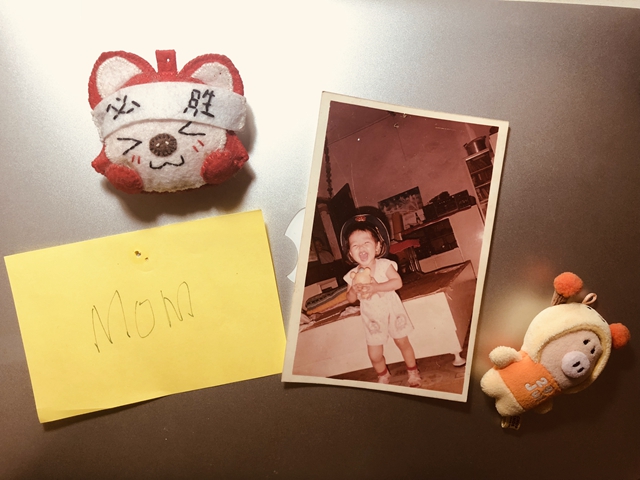
那些痛失父母的年轻人, “节哀顺变”并不是真正的安慰
Di Yi Cai Jing· 2025-05-23 02:45
Core Insights - The article discusses the research of Li Yunyun, who conducted interviews with young bereaved individuals in mainland China, focusing on their experiences of losing parents and the emotional complexities involved [1][2][7] Group 1: Research Background - Li Yunyun completed 106 interviews with bereaved individuals, with 44 young people who lost parents as the main subjects of her doctoral thesis [1][2] - The average age of these individuals at the time of their parents' death was 19 years, with an average bereavement period of 5.37 years [1] Group 2: Emotional Impact - The interviews revealed deep-seated emotions and family dynamics that influence the grieving process, highlighting the societal and cultural factors at play [2][8] - Many young bereaved individuals feel isolated in their grief, often concealing their emotions from others, which can lead to feelings of inadequacy and despair [8][9] Group 3: Cultural Context - The research indicates that young bereaved individuals in China face unique challenges due to their developmental stage and cultural expectations, particularly as many are only children [7][9] - The societal tendency to avoid discussing grief can exacerbate feelings of loneliness among the bereaved [8][9] Group 4: Research Methodology - Li Yunyun initially maintained an objective stance during interviews but found that sharing her own experience of loss fostered deeper connections and more open discussions with participants [9][10] - The research aims to transform grief from a private experience into a public topic that can be openly discussed and understood [11]

哲学新书联合书单|远离苏格拉底
Xin Lang Cai Jing· 2025-05-13 09:52
Group 1 - The book "Sur la piste animale" by Baptiste Morizot invites readers to become detectives of nature, tracking the footprints of extraordinary beings and reimagining animal life from a wild perspective [2] - "The Social Life of Money" by Nigel Dodd examines the evolution of money from its origins to contemporary digital forms, integrating sociology, anthropology, economics, and philosophy [8][9] - "Animals, Robots and Gods" by Webb Keane explores the complex relationships between humans and non-humans, questioning what it means to be human in a world filled with animals, machines, and deities [11][12] Group 2 - "The Dialectical Imagination" by Martin Jay discusses the Frankfurt School's critical theory, focusing on the historical and ideological development of its members and their influence on social research [23] - "The Tyranny of the Ideal" critiques the notion of a singular ideal theory of justice, advocating for a pluralistic approach that embraces moral diversity [26] - "A Better Ape" by Victor Kumar and Richmond Campbell explores the evolution of human moral psychology and its significance in contemporary social issues [29]