
商标恶意抢注

Search documents
一个商标索要28万,跨境商标的“抢注生意”,要黄了
3 6 Ke· 2026-02-13 08:27
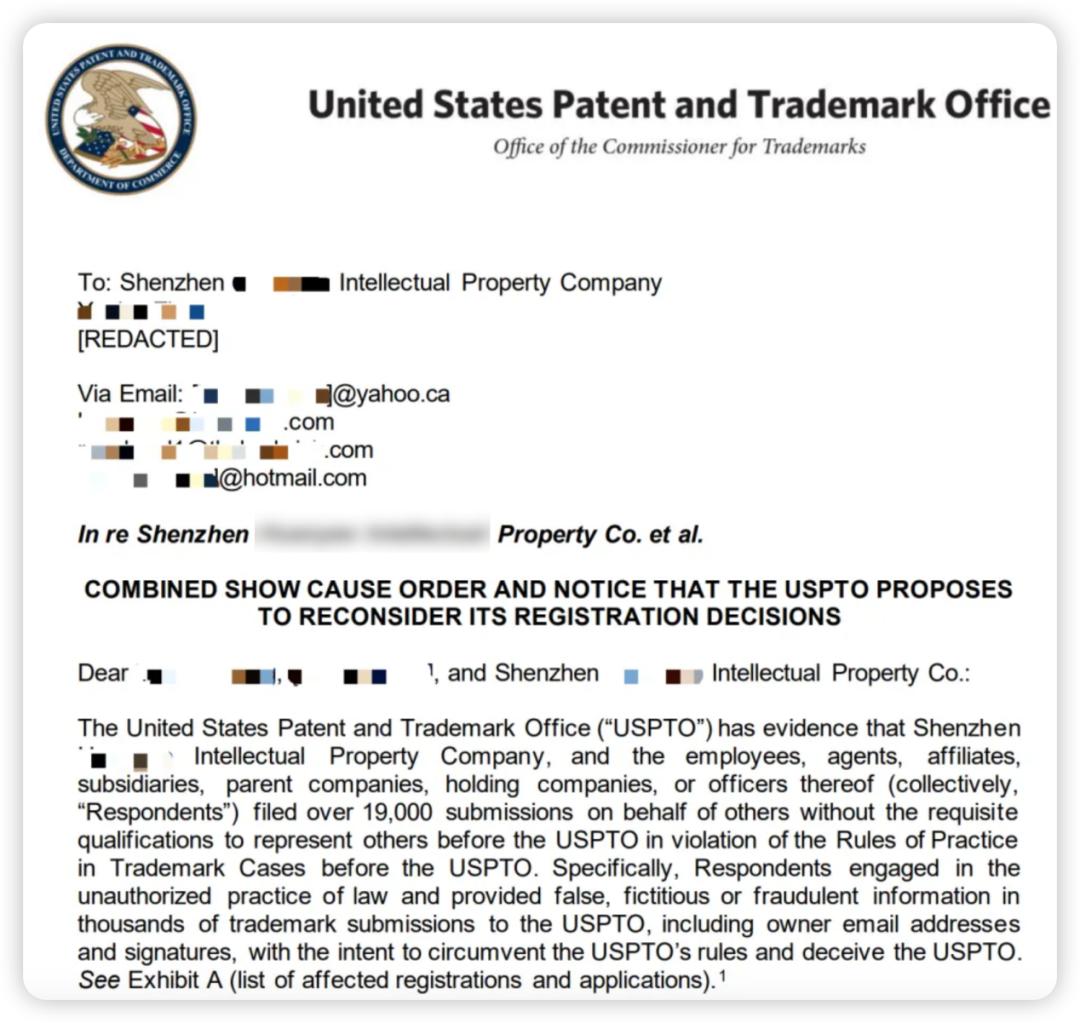
Core Viewpoint - The recent amendments to the Trademark Law (Draft Amendment) aim to combat the malicious registration of trademarks, particularly targeting the practice of "foreign trademark, domestic registration" that has harmed many cross-border e-commerce sellers [1][2]. Group 1: Trademark Registration Issues - Malicious trademark registrants have been systematically registering overseas trademarks in China, particularly from platforms like Amazon and eBay, leading to significant financial losses for sellers [3][4]. - Sellers whose trademarks have been registered in China without their consent face demands for transfer fees ranging from 100,000 to 280,000 yuan, with threats of customs seizures if they refuse to comply [1][5]. - The practice has become a standardized business model for some companies, which register multiple trademarks across various categories, targeting those with stable sales on e-commerce platforms [4][6]. Group 2: Legislative Response - The Draft Amendment to the Trademark Law, which is set to be reviewed by the National People's Congress by the end of 2025, aims to prohibit behaviors such as "registration without use" and "hoarding for profit" [1][7]. - Key changes include the requirement for trademarks to serve real production and business purposes, effectively closing loopholes that allowed for speculative registrations [7][8]. - The amendment also introduces penalties for malicious litigation and establishes a mechanism for the removal of trademarks that are not used for three consecutive years, addressing the issue of "zombie trademarks" [8]. Group 3: Impact on Cross-Border E-commerce - The Draft Amendment is seen as a positive development for cross-border e-commerce sellers, as it is expected to reduce the frequency of trademarks being used as tools for claims and profit [2][8]. - The recent actions by the U.S. Patent and Trademark Office (USPTO) against a Shenzhen intellectual property service firm, which submitted over 19,000 trademark applications with serious violations, have raised concerns for many sellers [12][14]. - Sellers are advised to verify the compliance of their trademarks and consider proactive measures to avoid potential penalties or loss of trademark rights [16].

国家知识产权局:从制度层面解决商标恶意抢注
news flash· 2025-07-17 02:57
Group 1 - The National Intellectual Property Administration (NIPA) aims to address malicious trademark registration and hoarding issues through institutional reforms during the 14th Five-Year Plan period [1] - NIPA plans to complete a comprehensive revision of the Patent Law and establish a high-standard punitive compensation system [1] - The focus will be on revising the Trademark Law to tackle deep-seated contradictions and problems related to malicious registration and invalid trademarks [1]