
固体废物跨省转移管理

Search documents
野生动物危及人身安全 采取措施致其损害不担责
Xin Lang Cai Jing· 2025-12-23 19:08
Group 1 - The core viewpoint of the article is the third review of the ecological environment code draft, which addresses various concerns and proposes significant regulatory changes to enhance environmental protection and monitoring [2] Group 2 - Strengthening the regulation of ecological environment monitoring institutions is crucial to prevent data falsification and ensure the quality of monitoring data [3][4] - The draft emphasizes the need for local governments to scientifically manage the burning of straw and leaves, balancing environmental protection with agricultural practices [4][5] - The draft introduces requirements for reporting the cross-province transfer of solid waste to enhance regulatory oversight and prevent illegal dumping [6][7] - Measures to address human-wildlife conflicts are included, emphasizing proactive government action and the protection of human rights in emergency situations [8][9] - The establishment of a dedicated section for green and low-carbon development in the draft highlights the focus on building a circular economy and enhancing resource recovery [10][11]

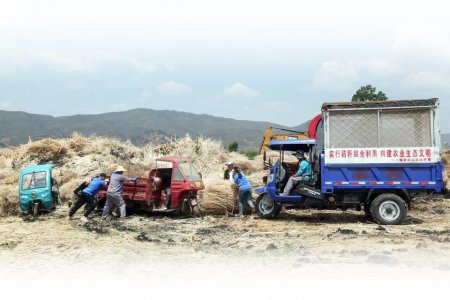
秸秆能不能焚烧 野生动物伤人咋办
Xin Lang Cai Jing· 2025-12-23 18:05
Group 1 - The draft of the Ecological Environment Code has been submitted for the third review by the National People's Congress Standing Committee, marking it as China's second law named as a "code" [1] - The draft aims to address concerns from various sectors, including strengthening the regulation of ecological environment monitoring institutions to prevent data falsification [2][3] - The draft specifies that local governments must scientifically manage the burning of straw and fallen leaves, prohibiting open burning in densely populated areas and other designated regions [4] Group 2 - The draft addresses the illegal transfer of solid waste by requiring prior reporting to relevant authorities when transferring solid waste across provincial boundaries [5] - It includes measures to mitigate human-wildlife conflicts, allowing for self-defense against wildlife in emergencies without legal repercussions [6] - A dedicated section on green and low-carbon development has been established, emphasizing the construction of a circular economy and resource recycling [7]