
生态环境监测监管

Search documents
青藏高原冰冻圈消融致部分高原湖泊水位上涨
Zhong Guo Xin Wen Wang· 2026-02-06 08:52
来源:中国新闻网 青藏高原冰冻圈消融致部分高原湖泊水位上涨 中新社西宁2月6日电 (记者 孙睿)记者6日从2026年青海省生态环境保护工作会议上获悉,全球气候变暖 趋势持续加剧,青藏高原冰冻圈消融,极端天气增多对生态环境改善和生态系统稳定产生显著影响,部 分高原湖泊水位上涨对重要基础设施的影响初步显现。 青藏高原作为"亚洲水塔",其冰冻圈变化对区域乃至全球水文循环与生态系统具有深远影响。近年来, 受全球气候变暖驱动,青藏高原冰川加速消融、冰湖持续扩张,导致水资源失衡与灾害风险加剧。 2012年–2024年期间,青海地区典型冰川面积持续减少。其中,格拉丹东冰川面积变化最显著,累计减 少16.62平方公里;团结峰次之,减少15.40平方公里;阿尼玛卿和八一冰川的减少量相对较小;作为中 国西部重要的生态安全屏障,2024年祁连山国家公园青海片区典型冰川面积和冰储量与十年前(2015年) 相比,呈缩减态势;青海省气象科研人员于2025年对三江源海拔3600米以上核心区开展高寒湿地科考, 结果显示受气候变暖影响,青藏高原冻土退化促使热融湖塘发育扩张。 青海省生态环境厅厅长侯洪波表示,从面临的挑战来看,气候变化带来的生态 ...
野生动物危及人身安全 采取措施致其损害不担责
Xin Lang Cai Jing· 2025-12-23 19:08
Group 1 - The core viewpoint of the article is the third review of the ecological environment code draft, which addresses various concerns and proposes significant regulatory changes to enhance environmental protection and monitoring [2] Group 2 - Strengthening the regulation of ecological environment monitoring institutions is crucial to prevent data falsification and ensure the quality of monitoring data [3][4] - The draft emphasizes the need for local governments to scientifically manage the burning of straw and leaves, balancing environmental protection with agricultural practices [4][5] - The draft introduces requirements for reporting the cross-province transfer of solid waste to enhance regulatory oversight and prevent illegal dumping [6][7] - Measures to address human-wildlife conflicts are included, emphasizing proactive government action and the protection of human rights in emergency situations [8][9] - The establishment of a dedicated section for green and low-carbon development in the draft highlights the focus on building a circular economy and enhancing resource recovery [10][11]

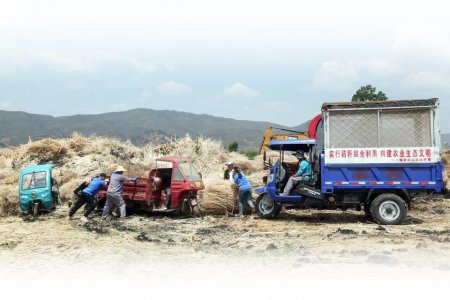
人口集中地区拟禁止露天焚烧秸秆、落叶
Xin Lang Cai Jing· 2025-12-23 18:05
Group 1 - The draft of the Ecological Environment Code has undergone its third review, addressing concerns from various sectors and making significant modifications [1] - The draft emphasizes the need for enhanced regulation of ecological monitoring institutions to prevent data falsification and ensure data quality [2][3] - It establishes a clear responsibility chain for monitoring institutions, holding them accountable for the authenticity and accuracy of monitoring data [2] Group 2 - The draft proposes scientific management of the burning of straw and fallen leaves, balancing environmental protection with agricultural needs [4] - It specifies prohibited burning areas and times to mitigate air pollution, enhancing the precision of environmental governance [4] Group 3 - The draft mandates that the transfer of solid waste across provincial boundaries must be reported to both the sending and receiving ecological environment authorities [5][6] - This regulation aims to address illegal dumping issues and strengthen regional cooperation in environmental governance [6][7] Group 4 - The draft addresses human-wildlife conflict by requiring local governments to consider wildlife needs when determining grazing capacities and to proactively manage wildlife-related damages [8] - It clarifies that individuals will not bear legal responsibility for harming wildlife in emergency situations, promoting self-defense rights [8][9] Group 5 - A dedicated section on green and low-carbon development has been added, focusing on the establishment of a circular economy and resource recycling [9] - The draft outlines requirements for reducing resource consumption and pollution, embedding green and low-carbon principles into production and resource recovery processes [9][10] - It emphasizes the development of renewable energy sources, particularly wind and solar power, to support sustainable energy systems [9][11]
新华视点|秸秆焚烧、野生动物伤人……生态环境法典草案三审稿看点聚焦
Xin Hua She· 2025-12-23 11:25
Group 1 - The core viewpoint of the article is the third review draft of the Ecological Environment Code, which addresses various environmental issues and regulatory improvements in response to public concerns [1] Group 2 - Strengthening supervision of ecological monitoring institutions is crucial to prevent data falsification and ensure the quality of ecological monitoring data [2][3] - The draft emphasizes the need for local governments to scientifically manage the burning of straw and leaves, balancing environmental protection with agricultural needs [4] - The draft proposes that solid waste transfers across provincial boundaries must be reported to both the sending and receiving provincial environmental authorities, addressing illegal dumping issues [5][6][7] - The draft includes measures to mitigate human-wildlife conflicts, allowing for self-defense against wildlife threats without legal repercussions [8][9] - A dedicated section on green and low-carbon development has been established, focusing on the construction of a circular economy and the promotion of renewable energy sources [10][11]