
秸秆落叶焚烧管理

Search documents
生态环境法典草案三次审议稿回应各界关切:固体废物跨省转移要报“出入”双方
Xin Lang Cai Jing· 2025-12-25 17:24
Group 1 - The ecological environment code draft is China's second law named as a "code," focusing on judicial guarantees for ecological environment protection [1][2] - The draft emphasizes the responsibilities of the People's Court and People's Procuratorate in ecological environment protection, enhancing the compensation and public interest litigation systems [2] - The draft introduces a credit repair mechanism for enterprises correcting their dishonest behavior, allowing them to apply for credit restoration [2] Group 2 - The pollution prevention section has been improved to regulate the burning of straw and leaves, and to strengthen the supervision of solid waste transfer across provinces [3] - The draft includes provisions for controlled nuclear fusion radioactive pollution prevention, establishing a management system for fusion fuel and facilities [3][4] - In emergency situations causing damage to wildlife, the draft states that no legal responsibility will be incurred [4] Group 3 - The draft includes new regulations to promote agricultural water conservation and improve irrigation efficiency [5] - It emphasizes the importance of the "Three North" project for ecological protection and restoration [5] Group 4 - The draft aims to enhance the development and utilization of renewable energy, supporting both centralized and distributed energy sources [6][7] - It outlines the establishment of a green and low-carbon policy framework, promoting a circular economy and resource recycling [6] Group 5 - The draft adjusts legal responsibilities to ensure consistency across similar violations, enhancing penalties for radioactive pollution [9][10] - It proposes modifications to the ecological environment damage compensation litigation system, allowing only the People's Procuratorate to initiate lawsuits if the government fails to act [10]
野生动物危及人身安全 采取措施致其损害不担责
Xin Lang Cai Jing· 2025-12-23 19:08
Group 1 - The core viewpoint of the article is the third review of the ecological environment code draft, which addresses various concerns and proposes significant regulatory changes to enhance environmental protection and monitoring [2] Group 2 - Strengthening the regulation of ecological environment monitoring institutions is crucial to prevent data falsification and ensure the quality of monitoring data [3][4] - The draft emphasizes the need for local governments to scientifically manage the burning of straw and leaves, balancing environmental protection with agricultural practices [4][5] - The draft introduces requirements for reporting the cross-province transfer of solid waste to enhance regulatory oversight and prevent illegal dumping [6][7] - Measures to address human-wildlife conflicts are included, emphasizing proactive government action and the protection of human rights in emergency situations [8][9] - The establishment of a dedicated section for green and low-carbon development in the draft highlights the focus on building a circular economy and enhancing resource recovery [10][11]

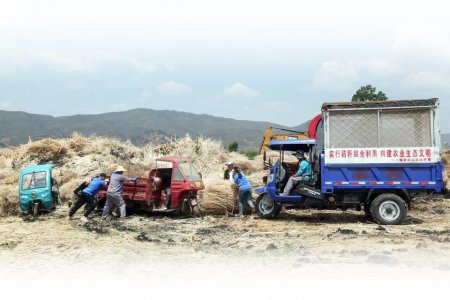
秸秆能不能焚烧 野生动物伤人咋办
Xin Lang Cai Jing· 2025-12-23 18:05
Group 1 - The draft of the Ecological Environment Code has been submitted for the third review by the National People's Congress Standing Committee, marking it as China's second law named as a "code" [1] - The draft aims to address concerns from various sectors, including strengthening the regulation of ecological environment monitoring institutions to prevent data falsification [2][3] - The draft specifies that local governments must scientifically manage the burning of straw and fallen leaves, prohibiting open burning in densely populated areas and other designated regions [4] Group 2 - The draft addresses the illegal transfer of solid waste by requiring prior reporting to relevant authorities when transferring solid waste across provincial boundaries [5] - It includes measures to mitigate human-wildlife conflicts, allowing for self-defense against wildlife in emergencies without legal repercussions [6] - A dedicated section on green and low-carbon development has been established, emphasizing the construction of a circular economy and resource recycling [7]
人口集中地区拟禁止露天焚烧秸秆、落叶
Xin Lang Cai Jing· 2025-12-23 18:05
Group 1 - The draft of the Ecological Environment Code has undergone its third review, addressing concerns from various sectors and making significant modifications [1] - The draft emphasizes the need for enhanced regulation of ecological monitoring institutions to prevent data falsification and ensure data quality [2][3] - It establishes a clear responsibility chain for monitoring institutions, holding them accountable for the authenticity and accuracy of monitoring data [2] Group 2 - The draft proposes scientific management of the burning of straw and fallen leaves, balancing environmental protection with agricultural needs [4] - It specifies prohibited burning areas and times to mitigate air pollution, enhancing the precision of environmental governance [4] Group 3 - The draft mandates that the transfer of solid waste across provincial boundaries must be reported to both the sending and receiving ecological environment authorities [5][6] - This regulation aims to address illegal dumping issues and strengthen regional cooperation in environmental governance [6][7] Group 4 - The draft addresses human-wildlife conflict by requiring local governments to consider wildlife needs when determining grazing capacities and to proactively manage wildlife-related damages [8] - It clarifies that individuals will not bear legal responsibility for harming wildlife in emergency situations, promoting self-defense rights [8][9] Group 5 - A dedicated section on green and low-carbon development has been added, focusing on the establishment of a circular economy and resource recycling [9] - The draft outlines requirements for reducing resource consumption and pollution, embedding green and low-carbon principles into production and resource recovery processes [9][10] - It emphasizes the development of renewable energy sources, particularly wind and solar power, to support sustainable energy systems [9][11]
秸秆焚烧、野生动物伤人……生态环境法典草案三审稿看点聚焦
Xin Hua Wang· 2025-12-23 11:43
Group 1 - The draft of the Ecological Environment Code has undergone its third review, addressing various concerns from the public and experts [1] - The draft emphasizes the need for stronger regulation of ecological monitoring institutions to ensure data quality and prevent fraud [2][3] - It proposes a scientific approach to the management of straw and leaf burning, balancing environmental protection with agricultural needs [4] Group 2 - The draft mandates that solid waste transfers across provincial borders must be reported to both the sending and receiving local environmental authorities [5][6][7] - It aims to address conflicts between humans and wildlife by promoting proactive measures for wildlife damage prevention and clarifying legal protections for self-defense in emergencies [8][9] - The draft includes a dedicated section on green and low-carbon development, focusing on the establishment of a circular economy and enhancing resource recovery systems [10][11]
新华视点|秸秆焚烧、野生动物伤人……生态环境法典草案三审稿看点聚焦
Xin Hua She· 2025-12-23 11:25
Group 1 - The core viewpoint of the article is the third review draft of the Ecological Environment Code, which addresses various environmental issues and regulatory improvements in response to public concerns [1] Group 2 - Strengthening supervision of ecological monitoring institutions is crucial to prevent data falsification and ensure the quality of ecological monitoring data [2][3] - The draft emphasizes the need for local governments to scientifically manage the burning of straw and leaves, balancing environmental protection with agricultural needs [4] - The draft proposes that solid waste transfers across provincial boundaries must be reported to both the sending and receiving provincial environmental authorities, addressing illegal dumping issues [5][6][7] - The draft includes measures to mitigate human-wildlife conflicts, allowing for self-defense against wildlife threats without legal repercussions [8][9] - A dedicated section on green and low-carbon development has been established, focusing on the construction of a circular economy and the promotion of renewable energy sources [10][11]