国际税收治理

Search documents
推动构建高效国际税收环境
Xin Lang Cai Jing· 2026-01-11 22:25
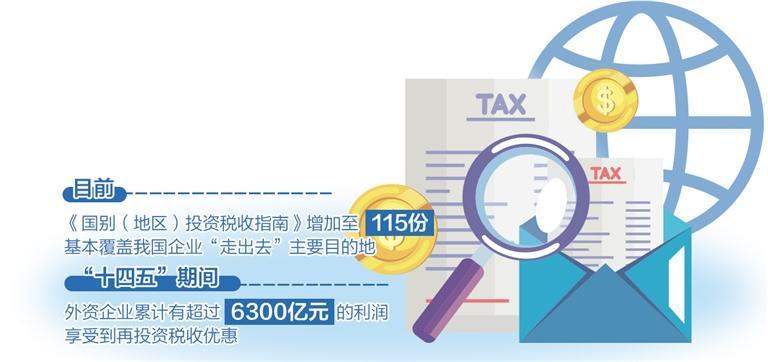
Group 1 - The National Taxation Administration has updated 90 Country (Region) Investment Tax Guides, increasing the total to 115, covering major destinations for Chinese enterprises going abroad [2] - The guides aim to help outbound enterprises understand tax regulations in host countries, improving tax compliance and risk prevention [2][3] - The updated guides and products like "Global Tax News" are designed to meet the needs of outbound enterprises, allowing them to enjoy tax treaty benefits and avoid tax risks [3] Group 2 - The sixth "Belt and Road" Tax Administration Cooperation Forum will be held in September 2025, attracting representatives from 45 countries and regions, and aims to promote a fair and efficient international tax environment [4] - The National Taxation Administration has actively participated in international tax governance, becoming a significant contributor to the formulation of international tax rules [4] - During the "14th Five-Year Plan" period, foreign enterprises benefited from over 630 billion yuan in reinvestment tax incentives, supported by tax officials for key foreign investment projects [4] Group 3 - The outbound tax refund policy has been optimized, with a 285% year-on-year increase in the number of travelers receiving refunds from January to November 2025 [5] - The tax refund system has improved efficiency by 45% through system upgrades and the introduction of QR code measures [5] - The sales volume of tax refund goods and the amount refunded have increased by 98.8% year-on-year [5]

美操控税收规则,七国集团助力豁免,多边规则遭践踏
Sou Hu Cai Jing· 2025-07-01 10:12
Core Viewpoint - The G7's recent agreement to exempt large U.S. multinational corporations from the OECD and G20's proposed 15% minimum corporate tax is seen as a blatant violation of global tax fairness and international rules, highlighting the manipulation of global economic governance by developed countries, particularly the U.S. [1][3][4] Group 1: Tax Policy Implications - The 15% global minimum corporate tax rate was established in 2021 to prevent multinational companies from evading taxes through profit shifting and tax havens, ensuring fairness and stability in national revenues [3]. - The G7's exemption for U.S. companies undermines this global consensus, creating a privileged system that favors American interests over international cooperation [3][4]. - The exemption is expected to exacerbate fiscal losses for developing countries, leading to increased economic inequality and a widening gap between rich and poor [3][6]. Group 2: Global Economic Power Dynamics - The ongoing struggle over minimum corporate tax reflects a redistribution of global economic power, with the U.S. leveraging the G7 to create rules that serve its multinational corporations [6][9]. - The U.S. government's push for this exemption, alongside the removal of protective measures against retaliatory tax actions from other countries, showcases a bullying approach to global tax sovereignty [4][6]. - The G7's actions are viewed as a significant setback for global tax justice and a threat to inclusive development efforts, particularly for developing nations [6][7]. Group 3: Call for Action - There is a strong call for developing countries, especially China, to remain vigilant against G7's hegemonic maneuvers and to actively participate in international tax governance to ensure fair rules [6][9]. - The need for a new international economic order that counters the dominance of developed nations is emphasized, advocating for a fair and just global tax system [9].