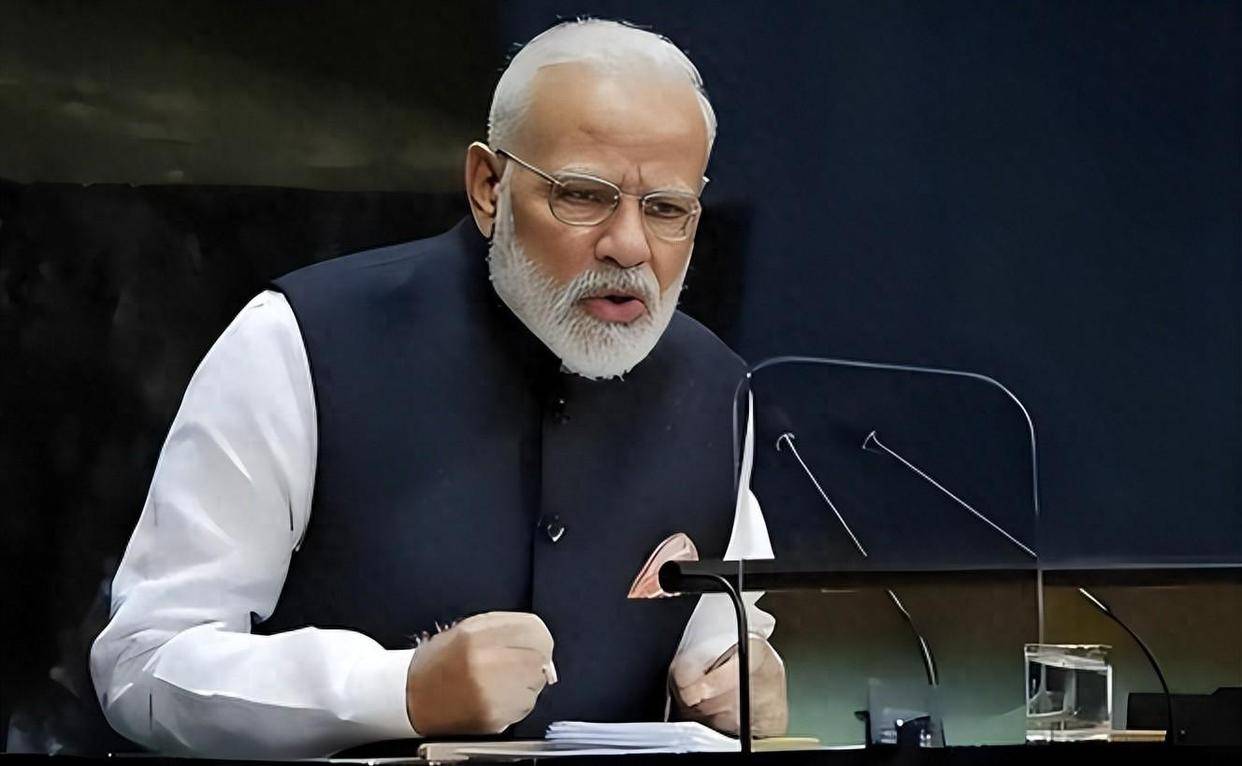
单边主义

Search documents
李强出席中国发展高层论坛2026年年会开幕式并发表主旨演讲
证券时报· 2026-03-22 05:05
Core Viewpoint - The article emphasizes the complex and challenging international landscape, highlighting the need for cooperation and innovation to create new markets rather than competing for existing ones [1][2]. Group 1: Market Dynamics - The market is viewed as a scarce resource that can be continuously created through openness and technological advancement, rather than through protectionism [2]. - China aims to expand high-level openness and engage in fair trade, focusing on importing high-quality foreign goods and optimizing trade balance [2]. Group 2: Competition and Cooperation - Healthy competition is essential for mutual benefits, and China's competitive advantages stem from deep reforms and innovation rather than subsidies [2]. - The country opposes irrational competition but supports fair competition to stimulate greater development momentum [2]. Group 3: Future Outlook - Despite challenges, there is optimism for a better future, with China positioning itself as a "certainty cornerstone" and "stability harbor" for global development [3]. - The "14th Five-Year Plan" is presented as a new blueprint for China's development and an opportunity for global growth, focusing on high-quality development and a favorable business environment for foreign enterprises [3].


铝:高位震荡;氧化铝:成本抬升;铸造铝合金:跟随电解铝
Guo Tai Jun An Qi Huo· 2026-03-13 03:20
Report Industry Investment Rating - Not provided in the document Core Viewpoints - The aluminum market is expected to be in a high - level oscillation, the cost of alumina is rising, and the casting aluminum alloy market will follow the trend of electrolytic aluminum [1] Summary by Relevant Catalogs Futures Market - **Electrolytic Aluminum**: The closing price of the Shanghai aluminum main contract was 25,240, up 25 from T - 1. The LME aluminum 3M closing price was 3,533, up 74 from T - 1. The trading volume and open interest of the Shanghai aluminum main contract showed different changes compared with previous periods. The LME aluminum 3M trading volume increased by 7,514 from T - 1. The LME注销仓单占比 was 39.01%, down 0.38% from T - 1. The LME aluminum cash - 3M spread was 26.51, unchanged from T - 1 [1] - **Alumina**: The closing price of the Shanghai alumina main contract was 2,865, down 4 from T - 1. The trading volume and open interest also had corresponding changes compared with previous periods. The near - month contract to the first - continuous contract spread was - 23, up 10 from T - 1 [1] - **Aluminum Alloy**: The closing price of the aluminum alloy main contract was 23,990, up 105 from T - 1. The trading volume and open interest decreased compared with previous periods. The near - month contract to the first - continuous contract spread was 10.00, down 5 from T - 1 [1] Spot Market - **Electrolytic Aluminum**: The domestic social inventory of aluminum ingots was 131.00 million tons, up 3.00 million tons from T - 1. The Shanghai Futures Exchange aluminum ingot warehouse receipts were 35.86 million tons, up 0.79 million tons from T - 1. The LME aluminum ingot inventory was 44.73 million tons, down 0.28 million tons from T - 1. The electrolytic aluminum enterprise profit and loss was 8,969.58, up 206.42 from T - 1. The aluminum spot import profit and loss was - 3,472.42, down 447.91 from T - 1 [1] - **Alumina**: The domestic average price of alumina was 2,693, up 20 from T - 5. The alumina Lianyungang CIF price in US dollars per ton was 330, unchanged from T - 1. The alumina enterprise profit and loss in Shanxi was - 80, up 15 from T - 1 [1] - **Aluminum Alloy**: The price of Baotai ADC12 was 24,800, up 200 from T - 1. The three - place inventory total was 35,335, down 910 from T - 1 [1] Other Information - **Trend Intensity**: The trend intensity of aluminum is 1, alumina is 0, and aluminum alloy is 1. The trend intensity ranges from - 2 to 2, with - 2 being the most bearish and 2 being the most bullish [3] - **Comprehensive News**: The US will launch a 301 investigation against 16 trading partners including China, the EU, India, and Japan. The US Treasury Secretary said that escort will be carried out as soon as possible when the situation allows, and the Energy Secretary said it may be this month [3]
瓦森纳的“小院高墙”该拆了
Xin Lang Cai Jing· 2026-02-28 03:43
Group 1 - The "Wassenaar Arrangement" has been viewed as a symbol of Western isolation towards China, which has inadvertently driven China to achieve self-sufficiency in defense technology [1][2] - The arrangement is an extension of the Cold War-era "Paris Coordination Committee," aimed at systematically blocking high-tech access to adversarial nations, reflecting a selective membership structure that primarily benefits a small group of Western countries [1][2] - The arrangement's restrictions are not solely aimed at China but affect any country outside the U.S. ally circle, indicating a broader issue of global technology flow being constrained by a few nations [2] Group 2 - Despite the restrictions imposed by the "Wassenaar Arrangement," China has made significant advancements in various fields, demonstrating a spirit of independence and self-reliance in building a comprehensive defense technology system [2] - Other developing countries, such as Pakistan and Brazil, have also improved their industrial and defense capabilities through regional cooperation and local research and development, showcasing that technology embargoes do not fundamentally hinder progress [2] - The current global security environment is increasingly complex, necessitating a more transparent and inclusive export control mechanism that involves more countries to maintain legitimacy [3]
硬扛三天后,美国终于认了,这场全球博弈的结局,还真让中国说中了
Sou Hu Cai Jing· 2026-02-27 21:44
Core Points - The article discusses the recent legal defeat of former President Trump regarding the legality of tariffs imposed under the International Emergency Economic Powers Act, which the Supreme Court ruled as unlawful [1][2][17] - Following the court's decision, Trump quickly invoked a rarely used law to impose a 10% tariff on global goods, which he later increased to 15%, indicating a hasty and reactionary approach to policy-making [4][7][8] - The article highlights the negative economic implications of these tariffs, including increased costs for American families and strained relations with traditional allies, leading to a loss of trust and potential economic isolation for the U.S. [11][29][36] Group 1 - The Supreme Court's ruling undermines Trump's reliance on unilateral tariff measures, revealing the limitations of presidential power in economic policy [2][17] - Trump's rapid policy changes reflect a lack of strategic planning and an attempt to maintain a strong political image, but they risk further alienating allies and destabilizing international trade relationships [8][19][29] - The immediate financial burden on American households, estimated at an additional $1,000 per family by 2025 due to these tariffs, raises concerns about the long-term economic impact of such policies [11][33] Group 2 - The response from allies, including the EU and Japan, indicates a growing skepticism towards U.S. trade policies, with many countries reassessing their economic relationships with the U.S. [12][21][29] - Germany's proactive engagement with China, exemplified by Chancellor Merz's visit with a delegation of top executives, underscores a shift towards seeking stable partnerships amid U.S. unpredictability [15][27] - The article emphasizes that modern economic policies require transparency and predictability, which Trump's approach has failed to provide, leading to a potential decline in U.S. global leadership [36]
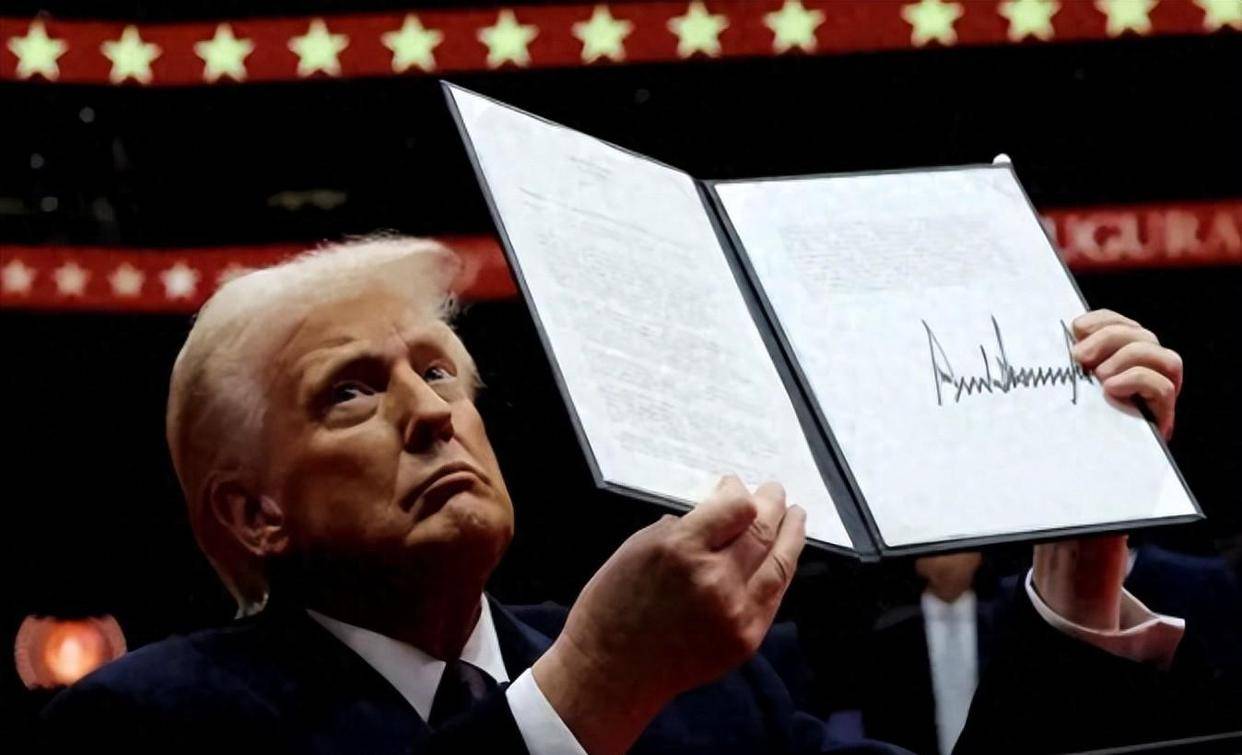
美国的无敌操作:先搞垮你,再“拯救”你,顺便把你的石油卖了
Sou Hu Cai Jing· 2026-02-27 09:47
Core Viewpoint - The article discusses the complex dynamics between the U.S. and Venezuela regarding oil exports, portraying the U.S. as a "savior" while revealing underlying motives of control and exploitation [1][10][16]. Group 1: U.S. Actions and Venezuela's Oil Revenue - U.S. Energy Secretary Chris Wright announced that Venezuela's oil export revenue is expected to reach $2 billion this month due to a new oil supply agreement [1][3]. - In a few months, Venezuela's monthly oil sales could exceed $5 billion, marking a significant increase in revenue [3]. - The U.S. claims that its policies are helping Venezuela's economy recover, while in reality, it has imposed extensive sanctions that have severely crippled the country's oil exports [6][10]. Group 2: Historical Context of U.S.-Venezuela Relations - The relationship between the U.S. and Venezuela has shifted from one of sanctions to one of perceived assistance, driven by Venezuela's refusal to align with U.S. foreign policy [4][6]. - Over a decade of sanctions has reduced Venezuela's oil exports from over 2 million barrels per day to less than 500,000 barrels [6][10]. - The U.S. has taken control of Venezuela's oil export rights, claiming to help restore the economy while actually consolidating its own power over Venezuelan resources [7][10]. Group 3: Implications of U.S. Control - The U.S. is using Venezuela's heavy crude oil to strengthen its position in the global energy market, undermining competitors like Russia and Iran [13]. - The U.S. maintains a dual standard by promoting human rights and democracy while simultaneously exploiting Venezuela's resources [14]. - The article highlights the dangers of U.S. unilateralism and its impact on global energy trade, suggesting that the U.S. is undermining international law and fairness in resource distribution [14][16].

局势已变,特朗普已经没有办法嘚瑟了,中方直接通告美国!
Sou Hu Cai Jing· 2026-02-27 06:29
Group 1 - The U.S. Supreme Court ruled against Trump's unilateral tariff policy, declaring it illegal and limiting presidential power over tariffs, which significantly undermines Trump's core policy tool [3][12] - Trump's initial response to the ruling was to issue a new executive order to impose tariffs under a different legal framework, but this move lacks the previous deterrent effect and faces legal challenges [5][12] - The changing dynamics in U.S.-China relations are evident as Trump maintains some tariffs while signaling a willingness to negotiate, reflecting a strategic balance between hardline and conciliatory approaches [8][14] Group 2 - China's response to the evolving trade situation emphasizes a commitment to rationality and core interests, outlining four key principles for U.S.-China relations, including adherence to the one-China principle and opposition to unilateral sanctions [10][12] - The ongoing trade conflict is characterized as a struggle between unilateralism and multilateral rules, with the Supreme Court's decision marking a shift away from the notion of presidential dominance in trade policy [12][14] - The current situation serves as a reminder that no country can benefit long-term from bullying tactics, highlighting the importance of equal dialogue and cooperative approaches in global trade [14]
访华官宣不到24小时!美底牌就被撕烂,英媒:中国发现了美国弱点
Sou Hu Cai Jing· 2026-02-27 05:32
Group 1 - Trump's planned visit to Beijing in April aims to address long-standing trade disputes through direct dialogue, focusing on trade balance, agriculture, and market access commitments from China [1] - The global market reacted slightly positively to the news, with stock markets showing minor gains as there are expectations for progress in trade negotiations [1] - The visit is expected to include high-level meetings addressing core issues such as energy and supply chains, amidst ongoing trade tensions characterized by tariffs and export restrictions [1] Group 2 - The U.S. Supreme Court ruled that tariffs imposed by the Trump administration under emergency economic powers were illegal, stating that such powers are meant for temporary measures, not long-term taxation [3] - The ruling has prompted importers to prepare to reclaim substantial amounts paid in tariffs, indicating a significant financial impact on businesses [3] - The court emphasized that the purpose of the tariffs was to force changes in China's trade practices, which did not align with the legal framework for emergency actions [3] Group 3 - Following the court's decision, Trump expressed dissatisfaction, claiming it undermined national security plans, leading to urgent meetings among White House lawyers to assess the ruling's implications [5] - The automotive and technology sectors are particularly affected, as companies report increased costs and supply chain disruptions due to tariffs [5] - Trump's negotiation strategy is now under reevaluation, as the tariffs that were once leverage have lost their effectiveness [5] Group 4 - British media highlighted that U.S. companies are reluctant to leave the Chinese market, which is a significant revenue source, and warned that restrictions could backfire on U.S. interests [6] - The U.S. dependency on China for rare earth elements poses a risk, particularly for military aircraft production, which relies heavily on these materials [6] - The combination of debt issues and trade deficits limits Trump's ability to act unilaterally in trade negotiations [6] Group 5 - The internal divisions within the U.S. regarding trade policy are becoming more pronounced, with European leaders pursuing business agreements with China, indicating a shift in focus towards practical business rather than U.S.-led containment efforts [8] - U.S. farmers are concerned about the potential impact of export disruptions on their political support base, especially with upcoming midterm elections [8] - China's response to U.S. weaknesses has been measured, leveraging debt and supply chain dependencies to alleviate pressure [8] Group 6 - Trump's executive order aimed at restoring negotiation leverage through global tariffs is seen as ineffective compared to previous tariff policies, as it requires congressional approval and has limited duration [10] - Many industries express that they cannot withdraw from China due to the market's importance for their revenues, particularly in the semiconductor sector [10] - The production of military aircraft is significantly hindered by China's control over rare earth materials, leading to production delays [10] Group 7 - Concerns over export stagnation among U.S. farmers could affect electoral outcomes, highlighting the political ramifications of trade policies [12] - The U.S. is facing increasing pressure from European companies that have already signed trade agreements with China, indicating a loosening of the U.S. containment strategy [12] - Trump's attempts to negotiate compromises have been met with skepticism from Congress, as Beijing perceives insufficient U.S. sincerity [12] Group 8 - The changing international landscape suggests that U.S. unilateralism is becoming untenable, with Trump's visit to China reflecting a recognition of this reality [14] - The combination of debt, electoral pressures, and supply chain dependencies is forcing the U.S. to engage in equal dialogue rather than unilateral actions [14] - The Supreme Court's ruling effectively nullified the tariff strategy, catching Trump off guard just before his planned visit [14] Group 9 - British media noted that China has effectively identified U.S. vulnerabilities, including high debt and reliance on supply chains, which limits Washington's ability to exert pressure [15] - China's position remains firm against unilateral tariffs, advocating for mutually beneficial cooperation [15] - The shift in strategy towards non-tariff cooperation by the Trump administration reflects a significant reduction in negotiating power [15]
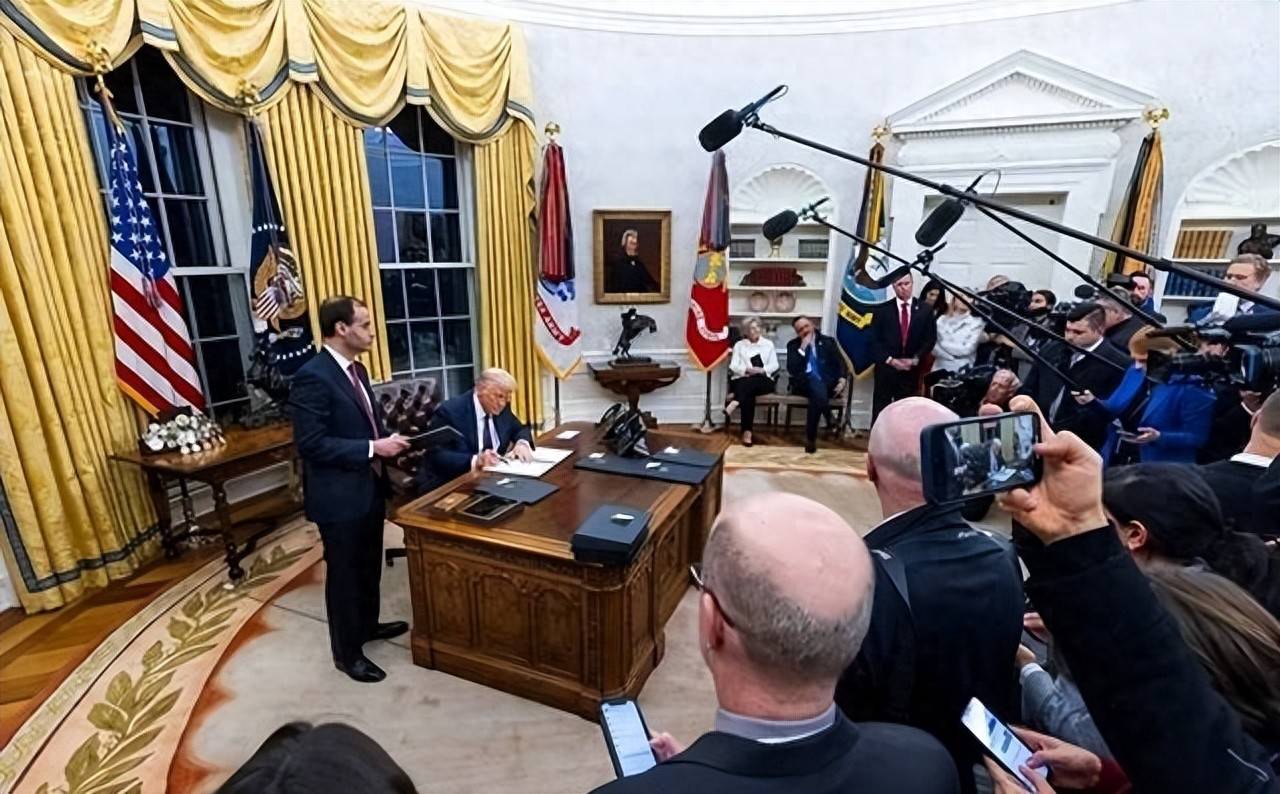
中美局势迎来新变数?莫迪通知全球,对美打响第一枪,携30多国齐上阵
Sou Hu Cai Jing· 2026-02-27 03:30
Core Viewpoint - The U.S. Supreme Court's ruling on February 20, 2026, declared that the tariffs imposed by the Trump administration under the International Emergency Economic Powers Act were illegal, marking a significant blow to U.S. tariff hegemony and undermining its international credibility [1] Group 1: U.S. Tariff Policy - The Supreme Court's decision indicates that the President cannot unilaterally impose tariffs without Congressional approval, fundamentally challenging Trump's tariff strategy [1] - Following the ruling, Trump quickly invoked Section 122 of the Trade Act of 1974 to impose a 10% tariff on all imports, which he later raised to 15%, demonstrating a defiant stance despite the legal setback [1] - The temporary nature of Section 122, designed for short-term balance of payments issues, cannot sustain a long-term trade war, highlighting the fragility of Trump's tariff authority [1] Group 2: Global Response - India's Prime Minister Modi's swift counteraction against U.S. tariffs signals a broader global resistance to U.S. tariff policies, as India announced it would continue purchasing oil from Russia despite U.S. pressure [3] - Over 30 countries, including the EU, Brazil, and Japan, have publicly criticized the U.S. for its unilateral actions, emphasizing the need for adherence to previously established trade agreements [3] - The backlash against U.S. tariffs reflects a shift towards a multipolar world, where countries prioritize their core interests over compliance with U.S. hegemony [6] Group 3: China's Strategic Position - China maintains a calm and strategic approach amidst the turmoil, focusing on its own development rather than engaging in retaliatory measures against the U.S. [5] - The U.S. tariff debacle has exposed the vulnerabilities of American hegemony, as reliance on executive orders creates uncertainty in trade agreements [5] - China's advancements in sectors like renewable energy and high-end manufacturing position it favorably in the evolving global landscape, contrasting with the instability of U.S. trade policies [5]
美国关税“换马甲”不改单边主义本质
Qi Huo Ri Bao Wang· 2026-02-27 01:23
Core Viewpoint - The recent adjustment in U.S. tariff policy marks a significant shift from an "emergency state" approach to a more traditional trade law framework, while still continuing unilateral tariff measures [1] Group 1: U.S. Tariff Policy Changes - The U.S. has stopped imposing tariffs under the International Emergency Economic Powers Act (IEEPA) and has shifted to imposing additional import fees under Section 122 of the Trade Act of 1974 [1] - The new tariffs can be as high as 15% and are applicable for a maximum of 150 days, with the possibility of extension [1] - This change is seen as a response to legal challenges regarding the previous tariff measures, which lacked clear congressional authorization [1] Group 2: Impact on Global Trade - The use of unilateral measures by the U.S. undermines the multilateral trade system centered around the WTO, increasing institutional costs of trade [2] - The broad application of the Section 122 tariffs means that exporters globally will face increased cost pressures, potentially leading to a rise in intra-regional trade within North America, the EU, and ASEAN [2] - The cumulative effect of tariffs will significantly impact complex supply chains, particularly in industries like electronics and automotive parts [2] Group 3: Effects on China and Other Economies - China is expected to face rising export costs and pressure for some industries to relocate, but it retains strong economic resilience due to its large market and complete industrial system [3] - Traditional U.S. allies such as the EU, Japan, and South Korea will experience increased export costs, particularly in the automotive and machinery sectors, leading to potential retaliatory measures [3] - Resource-dependent developing countries may see fluctuations in commodity demand, exacerbating economic vulnerabilities due to the deteriorating global trade environment [3] Group 4: Broader Economic Implications - The adjustment in U.S. tariff policy, while reducing some extreme risks, still poses significant negative supply shocks with a 10% additional fee [4] - Increased import costs are likely to be passed on to consumers, complicating the Federal Reserve's monetary policy and suppressing long-term investment intentions [4] - Historical data suggests that a 1% increase in tariffs could lead to a 2% to 3% decrease in trade volume, potentially resulting in global trade growth lagging behind economic growth [4] Group 5: Call for Multilateral Trade System - The continuation of unilateralism poses systemic risks to global trade and economic growth, necessitating a collective effort to uphold the multilateral trade system centered around the WTO [5] - Countries are encouraged to resist unilateral protectionism and work towards an open world economy, which is essential for addressing current challenges and ensuring long-term development [5] - China should adopt a proactive open strategy, accurately assess the impacts of U.S. measures, and seek favorable conditions through negotiations while expanding high-level foreign trade openness [5]
三十多国联手反制特朗普,印度态度突变,美媒喊话中方别落井下石
Sou Hu Cai Jing· 2026-02-26 17:18
Core Viewpoint - The U.S. Supreme Court ruling invalidates the legality of tariffs imposed by the Trump administration, fundamentally undermining the entire tariff framework established over the past year and a half [1][14]. Group 1: Impact on International Trade Agreements - The ruling has prompted immediate reactions from multiple countries, including the EU, which is reconsidering trade agreements made under duress from U.S. tariffs [1][12]. - Over thirty countries, including Canada, Mexico, Japan, and Australia, are either calling for renegotiations or suspending existing agreements due to the illegitimacy of the U.S. tariffs [1][12]. - The Supreme Court's decision has led to a collective response from nations that were previously pressured into agreements, indicating a shift towards a more balanced international trade environment [1][18]. Group 2: Reactions from Specific Countries - India, which had recently agreed to reduce tariffs on U.S. goods in exchange for energy commitments, has reversed its stance, indicating it will decide on oil imports based on its national interests [3][9]. - The swift change in India's position highlights how countries will revert to their own interests when external pressures diminish [9][12]. - The ruling has also caused concern within the U.S. regarding potential market share losses to China as countries reassess their trade relationships [3][12]. Group 3: U.S. Domestic Reactions and Consequences - U.S. businesses are experiencing significant challenges due to supply chain disruptions and rising costs, leading to a growing sentiment against the current tariff policies [8][14]. - The uncertainty created by the Supreme Court ruling has made it difficult for U.S. companies to plan long-term investments, as they cannot rely on stable trade policies [11][14]. - The ruling has exposed the fragility of the Trump administration's trade strategy, which relied heavily on unilateral tariff threats [1][18]. Group 4: Future of U.S. Tariff Policies - The Trump administration's proposed 15% global tariff is seen as a weak response to the Supreme Court ruling, with doubts about its legal viability and potential for international backlash [1][12]. - The ruling has effectively closed off avenues for the U.S. to impose further tariffs without facing significant legal and diplomatic challenges [12][18]. - The collective actions of over thirty countries signal a potential shift towards multilateral trade negotiations, moving away from unilateral U.S. policies [12][18].