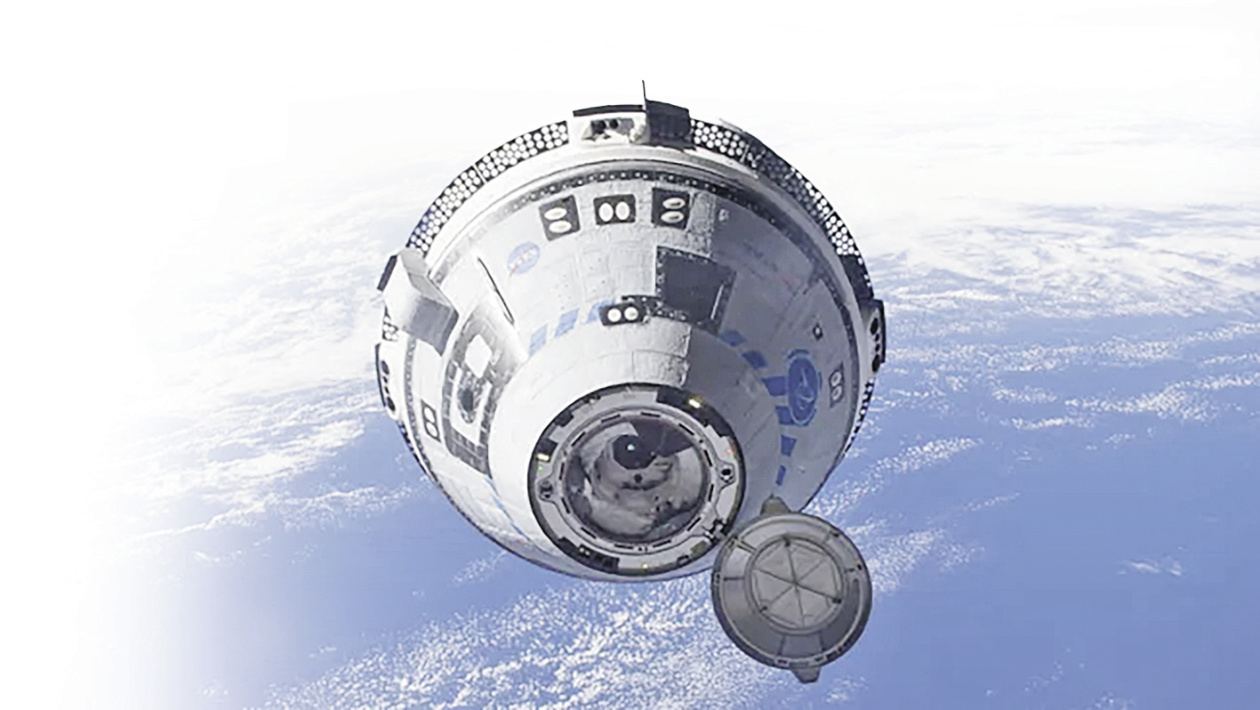
国际空间站飞船危机

Search documents
俄航天设施受损停用,美“星际客机”削减发射,国际空间站陷入“飞船危机”
Huan Qiu Shi Bao· 2025-12-01 22:58
Core Viewpoint - The International Space Station (ISS) is set to retire in 2030, facing significant challenges including reduced launch frequency of Boeing's CST-100 Starliner and damage to the Baikonur Cosmodrome, which may temporarily hinder Russia's crewed spaceflight capabilities [1][7]. Group 1: ISS and Launch Capabilities - The ISS will rely solely on SpaceX's Crew Dragon for astronaut transportation due to the reduction in Boeing's Starliner missions and potential loss of Russian crewed launch capabilities [1][7]. - NASA announced that the next Starliner mission to the ISS will not occur before April 2026 and will only carry cargo, marking a significant setback for Boeing [7]. - The Baikonur Cosmodrome's launch pad has sustained severe damage, potentially leading to a two-year repair timeline, which could result in Russia losing its ability to send humans to space for the first time since 1961 [5][6]. Group 2: Impact on International Space Station Operations - The ISS currently has eight spacecraft docked, including Russian and American crewed and cargo vehicles, which are essential for regular crew rotation every 2-4 months [8]. - SpaceX has five Crew Dragon spacecraft available, but maintenance and inspection cycles could lead to a shortage of available vehicles for crew transport if reliance solely on SpaceX continues [8]. - Possible solutions to mitigate the situation include accelerating repairs at Baikonur or utilizing equipment from the decommissioned launch pad, but both options face significant time constraints [8]. Group 3: International Collaboration Challenges - Discussions have emerged regarding the potential use of China's Shenzhou spacecraft for emergency support, but technical incompatibilities and U.S. legislative restrictions complicate any collaboration [9].