
载人龙飞船

Search documents
2月载人绕月飞船发射被喊停!马斯克态度反转:助力NASA载人登月
Sou Hu Cai Jing· 2026-02-08 06:24
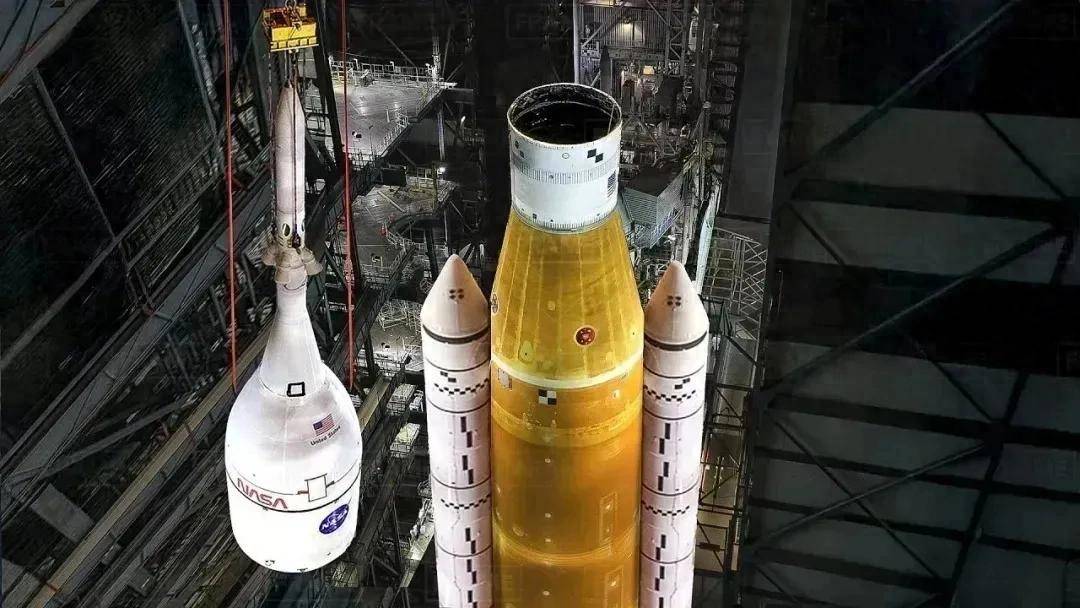
Core Viewpoint - The Artemis 2 mission, initially scheduled for launch on February 6, has been postponed to March due to a fuel leak incident during a wet dress rehearsal on February 2, highlighting ongoing technical challenges in NASA's lunar program [1][4]. Group 1: Mission Details - The Artemis 2 mission aims to send four astronauts to lunar orbit, marking a significant step compared to the uncrewed Artemis 1 mission [4]. - The wet dress rehearsal was intended to integrate and test all systems on the Space Launch System (SLS) rocket, but a fuel leak occurred during propellant loading [3][4]. - NASA has emphasized the importance of resolving the fuel leak issue before proceeding with the launch, prioritizing astronaut safety [4][5]. Group 2: Technical Challenges - The fuel leak issue is not new, as similar problems were encountered during the Artemis 1 mission's wet dress rehearsal, which led to significant delays [3][4]. - NASA's current launch window extends from February to April, and further delays could result in missing this critical opportunity [5]. - If the March launch does not occur, the SLS rocket may require additional repairs, including battery replacements, complicating the timeline further [5]. Group 3: Role of SpaceX - SpaceX is playing a crucial role in the Artemis program by providing the lunar lander, while Boeing and Lockheed Martin are responsible for the rocket and spacecraft, respectively [5][7]. - Despite SpaceX's successes with other missions, the development of the lunar lander is reportedly facing delays, which could impact the overall timeline for returning astronauts to the Moon [5][7]. - SpaceX has prioritized the lunar lander project over its Mars mission, indicating the significance of the lunar objectives for both NASA and SpaceX [7][14]. Group 4: Broader Implications - The delays in the Artemis program raise concerns about the feasibility of achieving the goal of returning humans to the Moon by 2024, reflecting the complexities and challenges of the U.S. space program [8]. - The potential shift in focus from lunar missions to Mars, as suggested by previous statements from political figures, could jeopardize the technological advancements made for lunar exploration [10]. - Achieving a manned Mars landing remains a formidable challenge, with the need to overcome significant technical hurdles and environmental risks [11][13].

周建明|美国任命艾萨克曼为NASA局长的核心原因及雅典娜计划解析
Xin Lang Cai Jing· 2025-12-21 07:08
Group 1 - The core reason for the appointment of Jared Isaacman as NASA Administrator is his experience in commercial space, commitment to space exploration, and ability to integrate political and business resources [2][16] - Isaacman's background as a successful entrepreneur and deep involvement in commercial space initiatives, such as the Inspiration4 mission and Polaris Dawn, positions him as a key figure in transforming NASA's role in the space economy [4][16][18] - His goals align with the Trump administration's "space superiority" strategy, emphasizing the need for the U.S. to maintain leadership in lunar exploration and respond to competition from China [4][18] Group 2 - Isaacman's commitment to accelerating the Artemis program includes advancing the Artemis II crewed lunar flyby mission to December 2025 and increasing the frequency of crewed missions [4][18] - He aims to ignite the space economy through commercial partnerships, reducing exploration costs, and developing lunar resources [4][18] - Isaacman’s ability to bridge government and private sectors is crucial for attracting more private companies to NASA projects and balancing interests among traditional contractors and emerging commercial space firms [5][19] Group 3 - The Athena Plan proposed by Isaacman aims to transform NASA from a bureaucratic organization to a commercial and efficient "space economy engine" [22] - Key reforms under the Athena Plan focus on organizational culture, budget optimization, and accelerating exploration missions, including the Artemis II mission [23][24] - As of December 2025, some measures of the Athena Plan have entered the implementation phase, including the confirmation of the Artemis II mission and deepening commercial partnerships [25][26] Group 4 - The importance of degrees in the AI era is being re-evaluated, with a focus on the ability to translate education into practical skills [20][21] - While degrees still serve as a screening tool for talent, practical experience and capabilities are becoming the core competitive advantages in fields requiring innovation and practice [21][22] - Isaacman's success illustrates that practical experience can surpass formal education, highlighting a shift in the value of degrees in the current job market [21][27]
史上最大规模上市将诞生!SpaceX或瞄准2026年IPO
Sou Hu Cai Jing· 2025-12-10 08:26
Core Viewpoint - SpaceX plans to conduct an IPO in 2026, aiming to raise over $30 billion and achieve a valuation of $1.5 trillion, with part of the funds allocated for developing space data centers and acquiring necessary chips [1][3]. Group 1: IPO Details - The IPO is expected to be the largest in history, potentially rivaling Saudi Aramco's record-setting IPO in 2019, which raised $29 billion [1]. - SpaceX's management is actively seeking to list in mid to late 2026, although the timeline may shift to 2027 depending on market conditions [3]. - The company has set a share price of approximately $420 for its upcoming stock issuance, significantly increasing its valuation beyond the previously reported $800 billion [4]. Group 2: Financial Projections - SpaceX's projected revenue for 2025 is around $15 billion, increasing to between $22 billion and $24 billion in 2026, primarily driven by its Starlink satellite internet service [4]. - The IPO strategy marks a shift from earlier considerations of spinning off the Starlink division into a separate public company [5]. Group 3: Market Impact - Following the IPO news, stock prices of other aerospace companies, such as EchoStar and Rocket Lab, experienced significant increases, with EchoStar rising by 12% and Rocket Lab by 4.3% [3]. - The IPO is anticipated to provide an exit opportunity for early investors and liquidity for SpaceX employees [5]. Group 4: Business Model and Innovations - SpaceX's Starlink service is rapidly gaining traction, providing global satellite internet and generating subscription revenue from various sectors, including aviation and rural markets [7]. - The company is also focused on developing its Starship system, which is seen as a key technological advantage and is expected to lower costs for lunar missions and commercial launches [6]. Group 5: NASA Contracts and Future Projects - SpaceX has secured contracts with NASA, including a $256.6 million contract for launching the "Dragonfly" probe to Titan in 2028 [8]. - The company is positioned as a strong contender for NASA's lunar lander contracts, especially following the recent reopening of bids for lunar missions [7].

俄航天设施受损停用,美“星际客机”削减发射,国际空间站陷入“飞船危机”
Huan Qiu Shi Bao· 2025-12-01 22:58
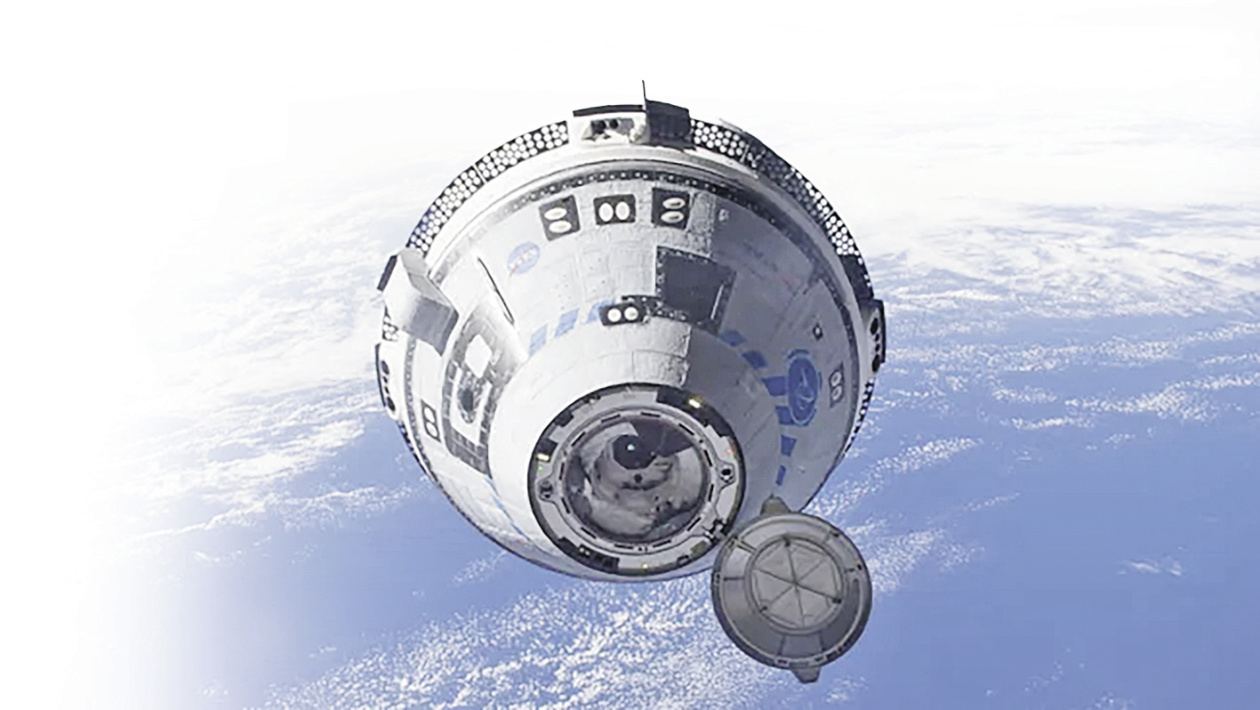
Core Viewpoint - The International Space Station (ISS) is set to retire in 2030, facing significant challenges including reduced launch frequency of Boeing's CST-100 Starliner and damage to the Baikonur Cosmodrome, which may temporarily hinder Russia's crewed spaceflight capabilities [1][7]. Group 1: ISS and Launch Capabilities - The ISS will rely solely on SpaceX's Crew Dragon for astronaut transportation due to the reduction in Boeing's Starliner missions and potential loss of Russian crewed launch capabilities [1][7]. - NASA announced that the next Starliner mission to the ISS will not occur before April 2026 and will only carry cargo, marking a significant setback for Boeing [7]. - The Baikonur Cosmodrome's launch pad has sustained severe damage, potentially leading to a two-year repair timeline, which could result in Russia losing its ability to send humans to space for the first time since 1961 [5][6]. Group 2: Impact on International Space Station Operations - The ISS currently has eight spacecraft docked, including Russian and American crewed and cargo vehicles, which are essential for regular crew rotation every 2-4 months [8]. - SpaceX has five Crew Dragon spacecraft available, but maintenance and inspection cycles could lead to a shortage of available vehicles for crew transport if reliance solely on SpaceX continues [8]. - Possible solutions to mitigate the situation include accelerating repairs at Baikonur or utilizing equipment from the decommissioned launch pad, but both options face significant time constraints [8]. Group 3: International Collaboration Challenges - Discussions have emerged regarding the potential use of China's Shenzhou spacecraft for emergency support, but technical incompatibilities and U.S. legislative restrictions complicate any collaboration [9].

想和马斯克“分手”太难!特朗普政府难舍与SpaceX的合同
Jin Shi Shu Ju· 2025-07-21 01:16
Core Viewpoint - The Trump administration initiated a review of SpaceX's federal contracts, but most were deemed essential for the Department of Defense and NASA, highlighting SpaceX's dominant position in the space industry [2][4][5]. Group 1: Government Review and Contracts - The review aimed to identify potential waste in the multi-billion dollar contracts held by SpaceX, but officials found that most contracts could not be terminated due to their importance [2][4]. - A senior official from the General Services Administration (GSA) requested a comprehensive list of current contracts with SpaceX, indicating a thorough examination of the company's agreements with various federal agencies [3][4]. - The review process included meetings between SpaceX's president and White House officials, suggesting ongoing scrutiny of the company's contracts [4]. Group 2: SpaceX's Market Position - SpaceX's leading role in rocket launches and satellite internet services has made it difficult for the government to reduce reliance on the company, as there are few alternatives available [5]. - The company's technological and pricing advantages have led to increased collaboration with government agencies, while also pushing competitors to innovate [5][6]. - Despite challenges faced by competitors in developing their own space vehicles, SpaceX continues to secure government contracts, including a significant $5.9 billion deal for national security missions [6]. Group 3: SpaceX's Services and Innovations - SpaceX's Falcon rockets and Crew Dragon spacecraft are critical to government space missions, with the latter being the only U.S. spacecraft certified for crewed missions to the International Space Station [6]. - The company is expanding its services through the Starlink satellite network, providing high-speed internet to government agencies and enhancing national security capabilities [7].
刚刚!马斯克,突爆大消息!
券商中国· 2025-07-20 03:34
Core Viewpoint - The Trump administration is heavily reliant on SpaceX for its advanced technology and government contracts, particularly in defense and NASA operations, making it difficult to sever ties with the company [2][3][7]. Group 1: Government Contracts and Dependency - The U.S. government recognizes the critical nature of SpaceX's contracts, which are essential for the Department of Defense and NASA, limiting alternative options for rocket launches and satellite services [2][5][10]. - An early assessment indicates SpaceX's dominant position as a leading rocket launcher and satellite internet provider, with a focus on profitable government contracts during the review process [4][8]. - The review of SpaceX's contracts was initiated after Trump suggested cutting ties, but officials concluded that most contracts are vital for national interests [3][5]. Group 2: SpaceX's Market Position - SpaceX holds a monopoly in the commercial launch industry, responsible for over 90% of U.S. satellite launches, and its Falcon rockets are crucial for government payloads [11][12]. - The company continues to expand its Starlink satellite internet service, which is utilized by various government agencies, while also securing classified contracts through its Starshield division [12]. Group 3: Safety Concerns - SpaceX's Starbase facility has a significantly higher injury rate compared to other aerospace manufacturing facilities, raising safety concerns [13][14]. - The high total recordable incident rate (TRIR) at Starbase does not automatically trigger contract termination but indicates potential safety issues that need addressing [15][16].

“梦舟”飞船头顶一根逃逸塔,证明了美国先进中国守旧吗?
Guan Cha Zhe Wang· 2025-06-20 00:12
Core Viewpoint - The "Dream Boat" spacecraft represents a significant advancement in China's manned lunar exploration program, with its escape system being a critical focus of recent discussions and tests [1][6][19]. Group 1: Technical Aspects of the Escape System - The "Dream Boat" spacecraft utilizes an escape tower design, which is considered the most effective method for rapid evacuation in emergencies, contrasting with the more visually striking but complex systems used by competitors like SpaceX [3][6][10]. - The escape tower allows for immediate separation from the rocket in the event of a failure, ensuring the safety of astronauts during critical moments [7][10][19]. - NASA's latest "Orion" spacecraft also employs an escape tower, highlighting that this design is not outdated but rather a reliable choice for high-stakes missions [6][17]. Group 2: Comparison with Competitors - SpaceX's "Dragon" spacecraft features a more integrated escape system that relies on active propulsion, which, while visually impressive, carries significant engineering risks and complexities [12][14]. - The "Dragon" system's reliance on high-pressure propellants and integrated components increases the potential for catastrophic failure if any part of the system malfunctions [14][15]. - In contrast, the "Dream Boat" system is designed with a focus on redundancy and safety, allowing for independent operation of the escape mechanism without compromising the spacecraft's primary functions [19]. Group 3: Strategic Considerations - The choice of an escape tower reflects a strategic decision by China to prioritize safety and reliability over aesthetic appeal, especially given the current stage of its space technology development [17][19]. - The "Dream Boat" program emphasizes a cautious approach to innovation, ensuring that new technologies are only adopted when they are fully mature and safe for human use [19]. - This philosophy underscores a broader engineering mindset in China, focusing on stability, redundancy, and control in high-risk environments like manned spaceflight [19].
