土星伴月

Search documents
水星来拜年!正月初四上演东大距
Xin Hua She· 2026-02-18 14:27
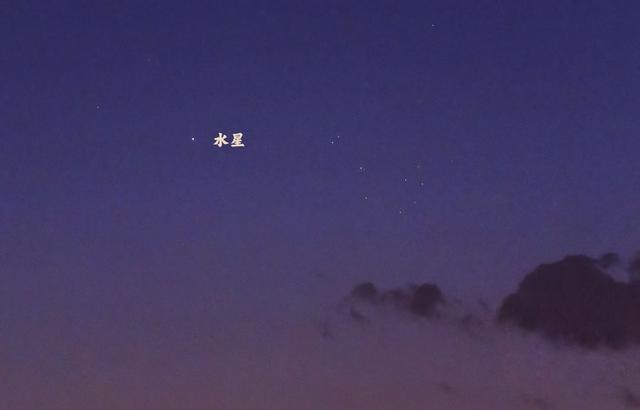
Group 1 - The first Mercury eastern elongation of 2026 will occur on February 20, providing a rare opportunity for the public to observe the planet with the naked eye or small telescopes if the weather is clear [1] - Mercury is the fastest planet in the solar system, completing its orbit around the Sun in just 88 days, making it the planet with the shortest orbital period among the eight planets [3] - In 2026, there will be three eastern elongations (February 20, June 16, and October 12) and three western elongations (April 4, August 2, and November 21), with varying observational conditions for each event [3] Group 2 - The upcoming eastern elongation on February 20 will have favorable observation conditions, with Mercury reaching a horizon height of 16 degrees and a brightness of approximately -0.5 magnitude, making it easier to spot [3] - Observers are advised to wait until after sunset to use telescopes for viewing Mercury to avoid potential eye damage from accidentally pointing at the Sun [3] - On the same day, observers can also see Saturn accompanied by a crescent moon, creating a picturesque "star and moon fairy tale" in the western sky after sunset [5]

水星来拜年! 20日上演东大距
Xin Hua She· 2026-02-18 09:10
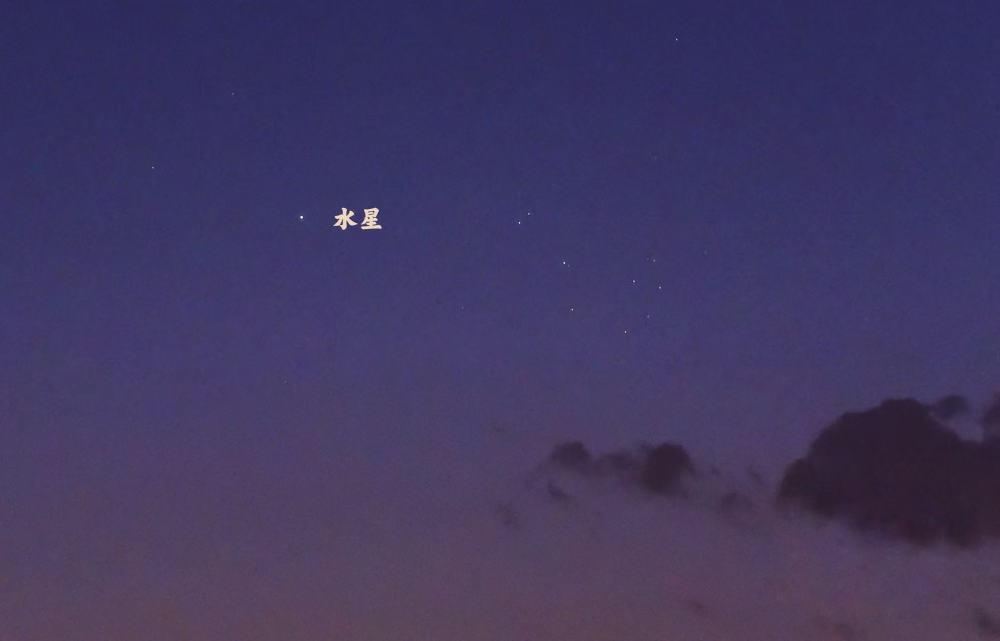
Core Viewpoint - The first Mercury eastern elongation of 2026 will occur on February 20, providing a rare opportunity for the public to observe the planet with the naked eye or small telescopes, given favorable weather conditions [1][3]. Group 1: Mercury's Characteristics - Mercury is the fastest planet in the solar system, completing its orbit around the Sun in just 88 days, making it the planet with the shortest orbital period among the eight planets [3]. - The phenomenon of eastern and western elongations occurs 3 to 4 times a year due to Mercury's rapid orbit, with 2026 featuring three eastern elongations (February 20, June 16, and October 12) and three western elongations (April 4, August 2, and November 21) [3]. Group 2: Observational Conditions - The upcoming eastern elongation on February 20 will have favorable observational conditions, with Mercury reaching a horizon height of 16 degrees and a brightness of approximately -0.5 magnitude, making it easier to spot [3]. - Observers are advised to wait until after sunset to view Mercury, as it will set about an hour after sunset, and caution is advised to avoid looking at the Sun through telescopes to prevent eye damage [3]. Group 3: Additional Observational Opportunities - On the same day as the Mercury eastern elongation, observers can also witness a conjunction of Saturn and a crescent moon, creating a visually appealing "star and moon fairy tale" in the western sky after sunset [5].
水星来拜年!20日上演东大距
Xin Lang Cai Jing· 2026-02-18 09:02
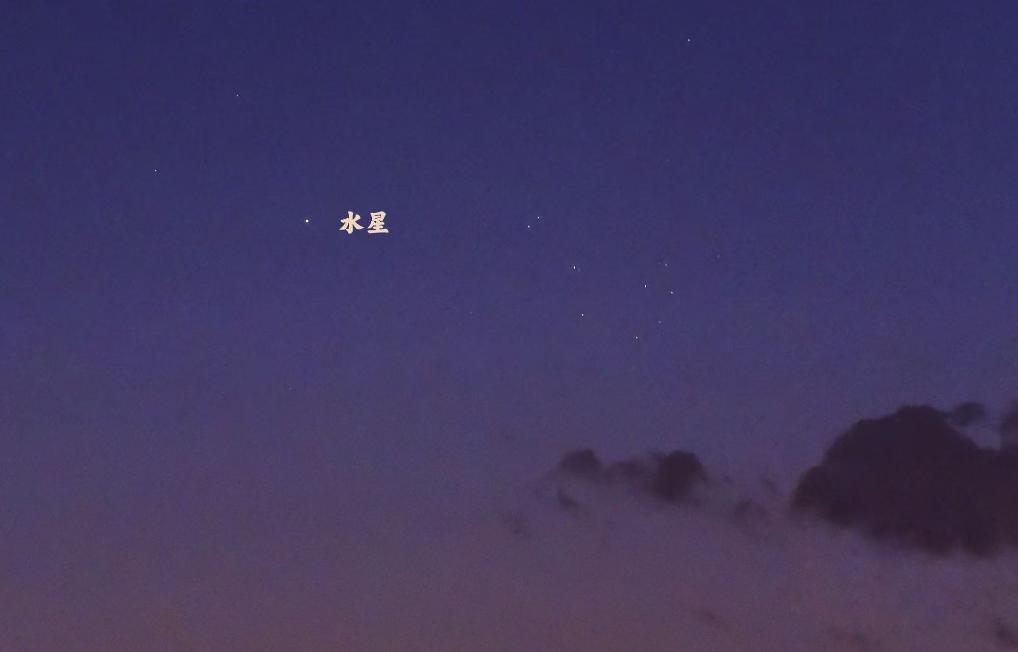
Core Viewpoint - The first Mercury eastern elongation of 2026 will occur on February 20, providing a rare opportunity for the public to observe the planet with the naked eye or small telescopes if weather conditions are favorable [1][3]. Group 1: Mercury's Characteristics - Mercury is the fastest planet in the solar system, completing its orbit around the Sun in just 88 days, making it the planet with the shortest orbital period among the eight planets [3]. - The eastern and western elongations of Mercury occur 3 to 4 times a year, with 2026 featuring three eastern elongations (February 20, June 16, and October 12) and three western elongations (April 4, August 2, and November 21) [3]. Group 2: Observational Conditions - The upcoming eastern elongation on February 20 will have favorable observational conditions, with Mercury reaching a horizon height of 16 degrees and a brightness of approximately -0.5 magnitude, making it easier to spot [3]. - Observers are advised to wait until after sunset to use telescopes for viewing Mercury to avoid potential eye damage from accidentally pointing at the Sun [3]. Group 3: Additional Observational Opportunities - On the same day as the Mercury observation, the public can also view Saturn accompanied by a crescent moon, creating a picturesque "star and moon fairy tale" in the western sky after sunset [5].