地方史

Search documents
微观、地区、国家和跨国视野下的地方史|《财经》书摘
Cai Jing Wang· 2025-10-27 07:56
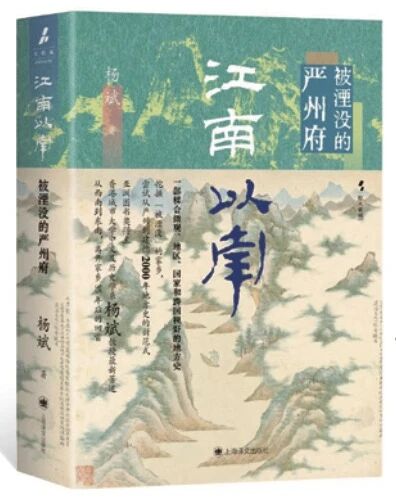
Core Viewpoint - The book "South of the Yangtze: The Submerged Yanzhou Prefecture" explores the historical and cultural significance of Yanzhou, a region that has been overshadowed by its more prosperous neighbors in Jiangnan, highlighting its unique geographical and cultural identity [2][11]. Summary by Sections Historical Context - The concept of Jiangnan has evolved significantly from the Qin and Han dynasties to modern times, with a focus on the Taihu Basin, particularly the seven prefectures including Suzhou and Hangzhou, which were economically dominant during the Ming and Qing dynasties [2][4]. - Yanzhou, located in the southwestern mountainous region of Zhejiang, has historically been overshadowed by Hangzhou and lacks the coastal economic advantages of Jiangnan [3][4]. Cultural and Political Significance - The book discusses the cultural and political relevance of Yanzhou, particularly during the Southern Song Dynasty when it became significant in the political and cultural landscape of the region [4][5]. - The narrative includes the contributions of notable figures from Yanzhou, such as the two empresses from the Yang family, emphasizing the region's importance during turbulent times for the Zhao Song dynasty [5][6]. Geographical and Economic Analysis - The geographical features of Yanzhou, characterized by "seven mountains, two rivers, and one field," have shaped its social, economic, and cultural development over time [4][8]. - The book examines the impact of natural resources and geographical constraints on Yanzhou's economy, particularly the reliance on forest resources and the limited development of other industries [3][9]. Local History and Identity - The author aims to reconstruct the local history of Yanzhou, emphasizing its unique identity that differs from the coastal Jiangnan region, and how it has been shaped by both local and external influences [8][10]. - The narrative also highlights the historical neglect of Yanzhou, both in terms of its physical landscape being submerged and its administrative significance being forgotten over time [11][12].