地缘政治学

Search documents
王紫珠评《大西洋现实主义》|从世界政策到地缘政治:跨越德美的成长小说
Xin Lang Cai Jing· 2025-12-02 04:09
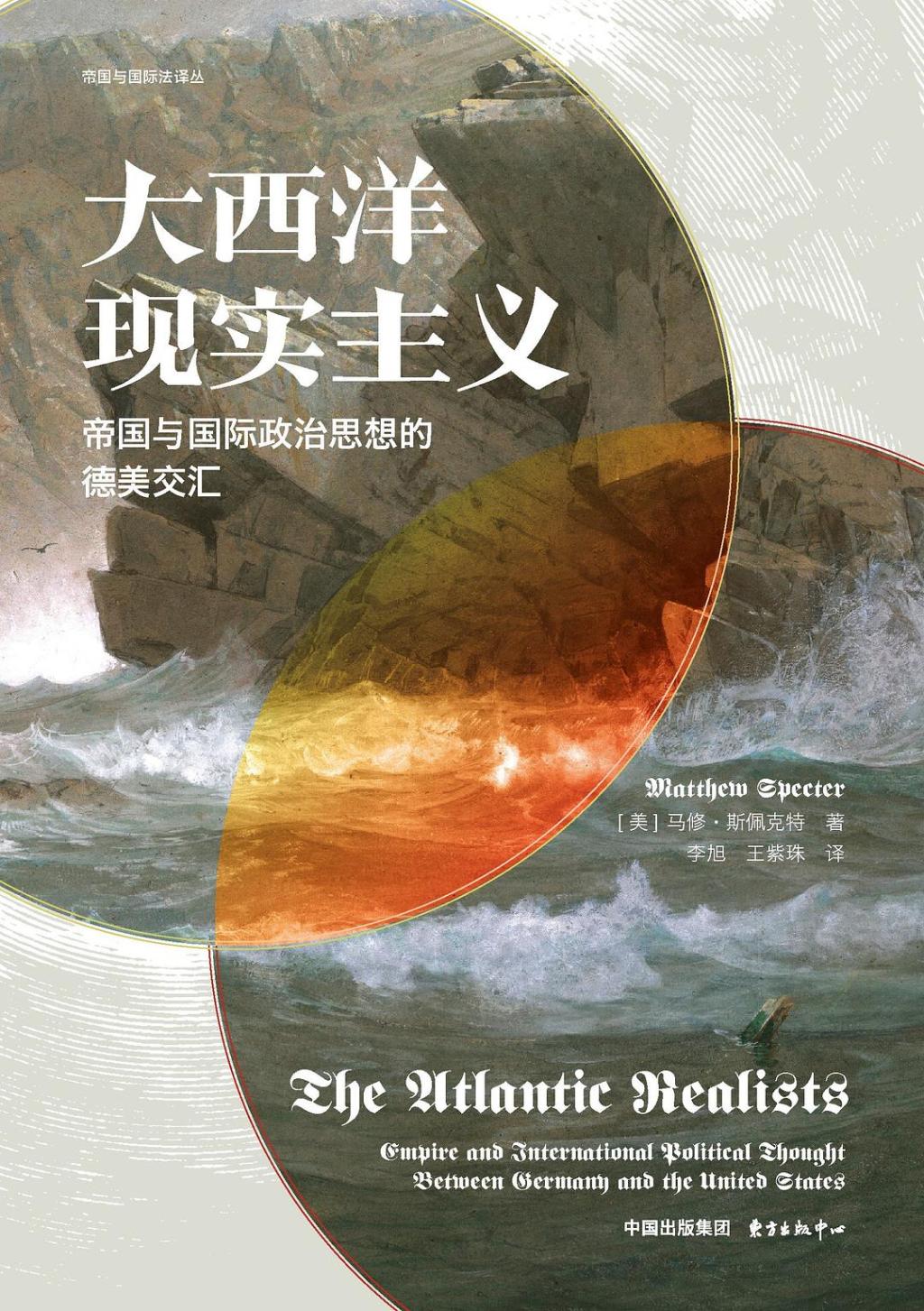
Core Argument - The book "Atlantic Realism: The Intersection of Imperial and International Political Thought in Germany and America" by Matthew Specter explores the intertwining of ideas across the Atlantic, particularly focusing on the rise of realism in international relations and its implications for contemporary politics [3][4]. Group 1: Historical Context and Development of Realism - Realism is portrayed as a dominant theory in international relations, emphasizing power and interest-driven politics, resonating with current U.S. practices [4]. - The book presents a sociological perspective on realism, tracing its origins and evolution from the late 19th century to the late 20th century, highlighting its German-American connections [4]. - The concept of "Weltpolitik" (world policy) from Germany significantly influenced the development of realism, reflecting Germany's aspirations for global power during the late 19th century [11][12]. Group 2: Key Figures and Theoretical Contributions - The book discusses influential figures such as Carl Schmitt, Wilhelm Grewe, and Hans Morgenthau, detailing their contributions to realism and the personal experiences that shaped their thoughts [4][9]. - Friedrich Ratzel's "Lebensraum" (living space) theory and Alfred Mahan's naval theories are identified as critical components of Atlantic realism, merging German ideas with American contexts [14][12]. - The narrative emphasizes the importance of a transatlantic intellectual network that facilitated the exchange of ideas between German and American scholars, impacting U.S. foreign policy [15][16]. Group 3: Institutionalization and Impact on Policy - Post-World War II, realism transitioned from a theoretical framework to a significant influence on U.S. and European foreign policy, reflecting the pressures of the Cold War [20][21]. - The establishment of institutions like the German Council on Foreign Relations marked the institutionalization of realism, bridging academic and policy-making spheres [22][24]. - The book critiques the transformation of realism into a tool for state strategy, losing its critical and historical depth in the process [25][27]. Group 4: Contemporary Reflections and Future Directions - The text raises questions about the future of realism in international relations, suggesting it should maintain a balance between theoretical insight and practical application [27][28]. - It argues for a renewed focus on the moral and philosophical dimensions of realism, advocating for a critical engagement with power and human nature [28].