
地震灾害风险评估

Search documents
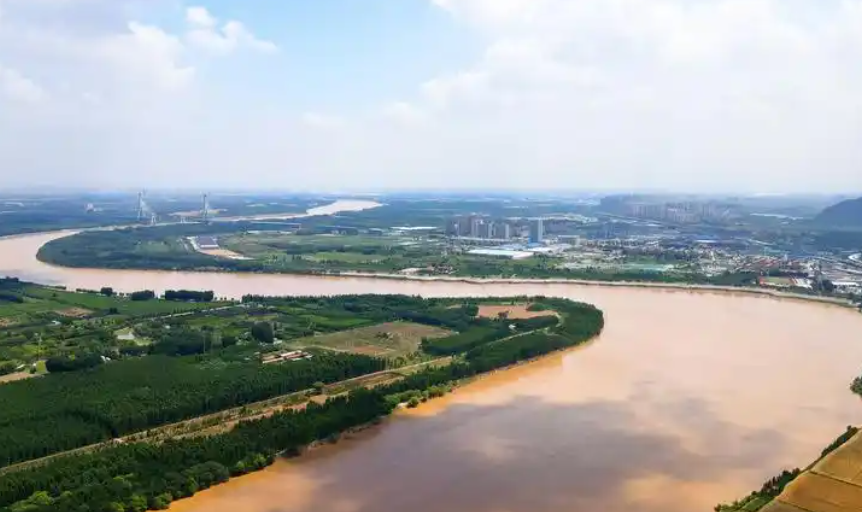
从地下断层到地上安居:山东地震工作护航黄河流域万家灯火
Qi Lu Wan Bao· 2025-09-26 11:58
Core Viewpoint - The article emphasizes the importance of earthquake risk assessment and management in the Yellow River basin to ensure the safety of major engineering projects and support sustainable economic development [1]. Group 1: Earthquake Fault Exploration - Ongoing fault exploration activities in eastern Jinan are crucial for understanding the seismic structure of the Yellow River basin, which will provide essential references for major engineering projects [3]. - The Shandong Earthquake Disaster Risk Prevention Center has already completed fault exploration in several districts of Jinan, covering 15 target faults and producing detailed seismic structure maps [3][4]. Group 2: Seismic Hazard Zoning - Since 2021, the Shandong Earthquake Bureau has provided seismic hazard zoning results for 9 cities and 25 counties along the Yellow River, aiding in the planning of major projects and emergency preparedness [5]. - The bureau is also responsible for annual seismic hazard zoning tasks, producing macro seismic motion parameter zoning maps to guide land use planning and engineering seismic design [5][6]. Group 3: Multi-faceted Assessment for Engineering Safety - A comprehensive earthquake disaster risk monitoring and assessment system has been implemented at the Huanghe Bridge in Jinan, integrating various monitoring technologies to enhance safety [7]. - The Shandong Earthquake Bureau has completed hundreds of seismic safety services across key sectors in the Yellow River basin, improving efficiency and reducing costs for enterprises [7][8]. - The bureau is expanding its assessment scope to identify high-risk targets and provide customized emergency preparedness plans, contributing to proactive disaster management [8].

广西地震局织就平陆运河震安网
Guang Xi Ri Bao· 2025-08-06 02:36
Core Viewpoint - The construction of the Pinglu Canal project in Guangxi is progressing steadily, with significant emphasis on earthquake safety measures and risk assessments to ensure the stability and safety of the infrastructure [1][2]. Group 1: Engineering and Safety Measures - The Guangxi Earthquake Bureau plays a crucial role in assessing the geological conditions along the canal, conducting a thorough examination of seismic structures over a 150-kilometer stretch to identify potential hazards [1]. - For the Dingwu Village Bridge, located over the main channel of the Pinglu Canal, engineers identified a fault line that influenced the bridge's design, leading to a significant increase in its seismic safety by relocating the bridge piers away from the fault [2]. Group 2: Risk Assessment and Mitigation - A detailed seismic disaster risk assessment was conducted on 590,000 buildings along the canal, resulting in a model that provides specific guidance for earthquake-resistant renovations for residential structures [3]. - The Guangxi Earthquake Station has developed a rapid response system that can issue earthquake warnings within 10 to 30 seconds after a seismic event, enhancing public safety and emergency response capabilities [4]. Group 3: Community Engagement and Technology - The "Guangxi Earthquake Warning" app has reached over 320,000 users, creating a digital network for disaster prevention and community engagement in earthquake safety [4].